

There’s no dedicated digital nomad visa for Moscow or Russia, so I suggest you plan ahead: you can use work, business, tourist or regional e‑visas but must secure the correct permit and registration. I warn that geopolitical tensions and sanctions can change entry rules and pose risks, so you should check current consular guidance and have contingency plans.

Types of Digital Nomad Visas
- Digital nomad visa
- Remote work visa
- Russia visa
- Work visa
- Tourist visa
| Tourist visa | Short stays (typically 30-90 days per entry), issued via consulate or e-visa for some regions; not legally for employment, so using it to work carries risk. |
| Business visa | For meetings, conferences and company visits; multiple-entry options exist and it’s easier to get with an invitation from a Russian company, but it still doesn’t replace a work permit. |
| Work visa (employer-sponsored) | Requires a Russian employer to obtain a work permit and invite you; allows legal employment and longer-term residence when properly processed. |
| Highly Qualified Specialist (HQS) visa | Fast-tracked for high-salary specialists with simplified permit rules and often family allowances; advantageous for senior-level remote roles. |
| Temporary residence / Residence permit | Path to long-term stay and potential permanent residency; processing times are longer but this is the safest route for extended remote living. |
Overview of Visa Options
I find most remote workers who spend time in Moscow cycle between a tourist visa for short visits and business visas for client-facing trips, since Russia currently lacks a formal, nationwide digital nomad visa. In practice, a tourist visa of 30-90 days is the quickest way in, but you should be aware that this does not grant the right to work for a Russian employer or establish a local business.
You can also consider employer-sponsored work visas or the HQS route if you have a contract with a Russian company or meet high-salary specialist criteria; these allow legal employment and longer stays. Also factor in the mandatory foreigner registration requirement-foreign nationals must register their place of stay within 7 working days of arrival, which I emphasize because non-compliance leads to fines or administrative action.
Eligibility Criteria
From what I’ve seen, eligibility depends on the visa type: a tourist visa needs a valid passport (commonly with at least 6 months validity), an invitation or tourism voucher, and proof of funds or accommodation; a business visa requires an invitation from a Russian host organization. For employer-sponsored work visas you must have a formal job offer and your employer must secure a work permit on your behalf, while the HQS pathway mandates higher salary thresholds and demonstrated specialist qualifications.

Documentation typically includes a valid passport, invitation or employment contract, health insurance for the visa period, and biometric data where required; I recommend preparing notarized translations and keeping scanned copies. Also note that some routes are quota-based or involve regional variations, so timelines and acceptance rates can vary significantly by consulate and region.
Processing times vary: tourist and business visas can take days to a few weeks, standard work visas often take several weeks to months because of permit procedures, and residence permits take the longest; overstay fines and deportation are real risks if you misclassify your activity.
Thou should know that Russia does not currently offer a dedicated digital nomad visa, so you will likely rely on tourist, business, or employer-based work routes for remote work stays.
Step-by-Step Application Process
Application Workflow at a Glance
| Step | What I do / What you should do |
|---|---|
| 1. Choose visa type | I verify whether I need a short-term e-visa, standard tourist/business visa, or a long-term work/private visa; you should match your purpose (remote work often fits business or work permits) |
| 2. Gather documents | I collect passport (valid ≥6 months), photos (usually 3.5×4.5 cm), invitation/voucher or work permit, and bank statements; you should prepare certified translations where required |
| 3. Complete forms & pay | I fill the online consular form (or e-visa portal), print and sign it, then pay the visa fee via the visa center or embassy instructions |
| 4. Submit & biometrics | I submit originals to the consulate or accredited visa center and attend any biometric or interview appointment; you may need to schedule these in advance |
| 5. Wait & collect | I track the application online; you can usually collect the passport in person or request courier return once the visa is issued |
| 6. On arrival | I register with local authorities if my stay exceeds the allowed days (often within 7 days); failing to register can lead to fines or entry bans |
Required Documents
I prepare a full set of documents tailored to the visa type: a passport valid for at least six months beyond my planned exit date with blank pages, a recent passport photo (commonly 3.5×4.5 cm), and a completed and signed visa application form. For tourist and e-visas I include a hotel voucher or tourist invitation and travel medical insurance that explicitly covers Russia; for business or work visas I add an official invitation or work permit and an employment contract or company letter showing your role and income.
I also gather supporting financial evidence – typically the last three months of bank statements or pay slips – plus notarized translations of any documents not in Russian or English when requested. Missing the invitation letter or submitting inconsistent bank records is one of the most common reasons for refusals, so I mark those items as high priority when I assemble my packet.
Submission Procedures
I start by filling the embassy or e-visa portal form and printing a signed copy; then I submit the originals and photocopies to the Russian consulate or an accredited visa processing center (many countries use third-party centers such as VFS/TLS). You will usually pay the visa fee at submission, schedule any biometric or interview appointment, and receive a tracking number so you can follow progress online. Typical processing times vary: e-visas can be processed in about 4 days, standard tourist visas often take around 10 business days, and work permits or long-term visas may require several weeks to a few months.
When my application is ready for pickup, I either collect the passport in person or arrange a courier; if the consulate requests additional documents I respond immediately to avoid delays. If you need faster turnaround, many centers offer expedited processing for an extra fee, but availability depends on the consulate and your nationality.
More details I use in practice: always check the specific consulate checklist for your country (requirements and photo specs can differ), keep digital scans of everything, and track the application daily – responding within 24-48 hours to any consular requests drastically reduces the chance of refusal or extended waits.
Tips for a Smooth Transition
I set up a few things in the first week that saved me time and stress: get a local SIM (MTS, Beeline, Tele2), buy a Troika card for the Moscow Metro (over 200 stations across the city), and sort short-term health insurance that covers you in Russia. Apply for any visa extensions or paperwork before your current stamp expires, and register with the local authorities within the required window (typically within 7 working days for many visa types). Winters average about -10°C in January and can drop below -25°C, so check heating and insulation before you commit to a place.
- digital nomad visas-no special nationwide option exists, so plan visa strategy early (tourist, work, or business channels).
- Get a Troika card and learn peak-hour Metro etiquette to save commuting time.
- Open a local bank account (Tinkoff or Sber are common) if you plan to stay >3 months; expect ID and proof of registration.
- Buy comprehensive travel/health insurance and keep digital copies of documents; consider a VPN but be aware of legal restrictions.
- Pack for winter and have a plan for backups during power or heating outages-carry a portable charger and warm layers.
I also recommend setting up accounts on local delivery and services (Yandex.Market, Yandex.Eda, Delivery Club) the first days you arrive to smooth daily life and avoid unnecessary trips across the city.
Finding Accommodation
I hunted in central neighborhoods first-Arbat, Presnensky, Patriarch Ponds and Tverskaya-where a one-bedroom typically runs about 60,000-150,000 RUB/month, while outer districts drop to 30,000-60,000 RUB. Use CIAN, Avito and Domofond for listings and always check the flat in winterlike conditions if possible: confirm radiators heat evenly, windows seal properly, and that hot water schedules (some buildings have periodic maintenance) won’t disrupt your work. Landlords often ask for a 1-2 month deposit and one month’s commission for an agent.
I sign a rental agreement in Russian and get it translated before paying anything significant; for shorter stays I use Airbnb but for stays over 3 months I request a formal lease because you’ll need the contract to register and open banking services. When I negotiate, I ask about heating costs included in the rent, whether the landlord will register me, and whether utilities spike in winter-these details can add 20-40% to monthly living costs if not clarified up front.
Navigating Local Culture
I approach interactions with professional formality at first: be punctual for meetings, use surnames and patronymics in formal settings, and expect direct feedback in business conversations. Small gifts or a bottle of wine at a private invitation are appreciated, but I avoid sensitive political topics and steer conversations toward food, history, or tech to keep things comfortable for you and your hosts. English is common in central offices, but outside those zones you’ll find far fewer speakers, so learning Cyrillic and a handful of phrases pays off quickly.
Daily life feels efficient once you adapt to local apps and routines: 2GIS and Yandex Maps beat global alternatives for transit and delivery routing, and the Metro will often be faster than car travel during rush hour. I stay alert for petty theft in crowded places-especially busy Metro stations-and use a cross-body bag with zips; this small change reduced my risk on packed commutes.
The simple act of learning a few Russian phrases, carrying a printed address in Cyrillic for taxi drivers, and keeping a copy of your registration and passport saved in the cloud has made my transitions between neighborhoods and bureaucratic steps far smoother.
Factors to Consider
- Digital nomad visas – none specifically for Moscow or Russia; you work around short-term tourist stays, work visas, or residency routes
- Cost of living – varies widely by district and lifestyle
- Internet accessibility – generally excellent in central areas but you should plan backups
- Electronic visas for visiting Russia: Electronic visas for visiting Russia
Cost of Living
I find Moscow can be surprisingly expensive if you want central, comfortable accommodation: a one‑bedroom apartment in the city center typically rents for around 60,000-120,000 RUB/month (roughly $700-$1,400), while outside the center you can often find places in the 30,000-60,000 RUB range. Daily costs are reasonable if you shop locally – a basic meal runs about 700-1,200 RUB, a coffee ~200-300 RUB, and a monthly metro pass ~2,500-3,000 RUB.
I budget differently depending on whether I want convenience or savings: coworking spaces typically cost 10,000-25,000 RUB/month, gyms 2,000-6,000 RUB, and utilities plus internet add another 5,000-12,000 RUB. If you plan to live centrally and use paid coworking, expect a comfortable monthly outlay in the ballpark of 100,000-170,000 RUB; if you’re frugal and live further out, you can cut that roughly in half.
Internet Accessibility
In my experience Moscow’s fixed broadband in apartments and hotels often delivers 100+ Mbps in central neighborhoods, and mobile coverage is strong with widespread 4G and growing 5G availability. Buying a local SIM usually requires showing your passport, and major operators (MTS, MegaFon, Beeline) now offer affordable data plans and eSIM options for short stays; I keep a local SIM plus an eSIM profile as a backup.
I also plan for content restrictions and occasional routing issues: some services may be limited or slower, so I run a trusted VPN for work, carry a small portable hotspot, and keep two mobile providers active in case one has outages. Perceiving how I balance costs, connectivity and visa limits will help you decide if Moscow suits your workflow
Pros and Cons of Living in Moscow as a Digital Nomad
Pros vs Cons at a glance
| Pros | Cons |
|---|---|
| Extensive, reliable public transport – frequent metro and tram service that makes getting around fast. | Harsh winters and seasonal smog – cold, dark months can sap energy and outdoor options. |
| Fast, widely available internet in cafes and co‑work spaces – good for remote work. | Language barrier: many services and official forms are in Russian, which complicates admin. |
| Rich cultural life: museums, theaters, concerts and historic architecture at your doorstep. | Bureaucracy and visa/registration requirements can be time‑consuming and strict. |
| Large selection of coworking spaces, meetups, and entrepreneurial communities. | Higher central rent: one‑bedrooms in prime areas often cost significantly more than suburbs. |
| Reliable healthcare and pharmacies in the city center. | Surveillance and restrictions on some online services; privacy conscious nomads notice limits. |
| Excellent food scene and diverse markets – from high‑end restaurants to affordable markets. | Banking and payment interruptions have happened for foreigners due to sanctions and card restrictions. |
| Efficient delivery apps and on‑demand services make life convenient. | Occasional air quality issues and traffic congestion in peak hours. |
| Plenty of short‑term rental options and a strong expat/digital nomad network. | Time zone can be problematic for those working with clients in the Americas or East Asia. |
Advantages of the Experience
I find Moscow particularly generous with practical advantages: public transport is efficient and I can cross long distances in 30-45 minutes by metro during most days, which keeps my commute short and predictable. You’ll also notice fast internet in many cafes and coworking spaces-typical cafe Wi‑Fi often sustains video calls without interruption-so I rarely have to hunt for a stable connection. For deeper practical reading, I often point people to The Full Digital Nomad Guide to Moscow for lists of vetted coworking spots and neighborhoods.
Beyond logistics, I appreciate the cultural density: dozens of museums, theaters and galleries mean I can turn any weekend into a deep probe history or contemporary art. Housing options span from modern apartments near the center to quieter, cheaper flats farther out, so you can balance budget and lifestyle; in my experience a central one‑bedroom rents for a premium, while a short metro ride opens more affordable choices.
Challenges You Might Face
I’ve dealt with a few consistent headaches that you should plan for: administrative processes like visa paperwork and registration can take several visits and sometimes require a translator, so factor in extra time. Also, many nomads report banking hiccups-cards can be blocked or services limited due to international restrictions-so I keep at least one alternative payment method and cash accessible. Administrative friction and payment uncertainty are the two pain points I warn friends about first.
Language and internet limitations are real: while many younger professionals speak English, official communications, medical paperwork and some apps are Russian‑only, and several foreign websites or services may be partially restricted. I use a mix of local apps plus international tools, and I plan client calls around time‑zone differences to avoid late nights.
More practically, I’ve seen nomads confront sudden changes to banking access or local rules; therefore I always maintain backup arrangements-extra ID copies, an alternate SIM, and contingency funds-so that a temporary service disruption doesn’t derail my work or travel plans.
Resources for Digital Nomads in Russia
I tap into a mix of coworking spaces, online groups and paid local services when I’m in Russia; in Moscow daily coworking passes typically run about 500-1,200 RUB, and many spaces publish monthly plans if you stay longer. I also use Telegram and Meetup to find short-term gigs, language exchanges and community-run workshops – those channels often post job leads, sublets and event invites daily, which quickly fills gaps between contracts.
Online Communities
Telegram is the main hub for me: there are dozens of city- and niche-focused channels (freelance, product, design, legal help) where thousands of members swap leads and recommendations; I once landed a three-week UX contract after responding to a Telegram thread within an hour. You should join a couple of large channels plus one niche group in your field so you see both broad announcements and targeted opportunities.
Facebook groups, Internations and Meetup host regular in-person events – you’ll find everything from 10-person language exchanges to 100+ startup meetups. I scan event threads for organizers’ names and past attendees; if an event had 50-200 people previously, it’s usually worth attending for networking and local referrals.
Local Support Services
I rely on migration lawyers and small relocation firms for paperwork: typical lawyer fees for registration or simple visa-related help range from about 10,000-50,000 RUB, while full relocation packages (finding housing, registering you at the local migration office, setting up a mobile number) often cost 40,000-150,000 RUB depending on scope. If you don’t get proper registration, you could face fines or refusal of services, so I always confirm that the agency files with the local migration authority.
Coworking operators and accountants often provide add-on services you can use: virtual office addresses run roughly 3,000-10,000 RUB/month, and small accounting firms will set up an individual entrepreneur (ИП) or corporate entity and handle monthly tax filings for a separate fee. I use a coworking with a reception that helps with registration notices and basic paperwork – that saves time compared with handling everything through a third-party agent.
When I vet a provider I ask for a clear timeline (registration within 2-5 business days is common for basic cases), written pricing and proof of previous client reviews posted in Telegram or expat forums; you should verify they submit documents to the regional migration office (ГУВМ) and get a stamped confirmation, not just an email.
Final Words
Following this I find that Russia (including Moscow) does not currently offer a dedicated digital nomad visa, so if you plan to work remotely from Russia you will typically be on a tourist or business visa that doesn’t formally authorize remote employment; I suggest checking current rules and seeking professional guidance, for example Digital Nomad Visa in Russia – Legal Advice at Affordable ….
I would contact the Russian consulate or an immigration lawyer if your stay or work arrangements are more than short-term, so you can protect your travel plans and your legal status while in Moscow.
FAQ
Q: Are there special digital nomad visas for Moscow/Russia?
A: Russia does not currently offer a visa specifically branded for digital nomads or remote workers. Foreigners wishing to stay in Moscow must use existing visa categories (tourist, business, work, student, etc.) or any bilateral visa-free/e‑visa arrangements that apply to their nationality. Proposals for remote-worker programs have surfaced periodically but have not resulted in a dedicated national digital-nomad visa.
Q: Which visa or entry options can remote workers use to stay legally in Moscow, and what limitations apply?
A: Common options are: tourist visas (short-term stays; generally intended for leisure and strictly limited business activities), business visas (multi-entry options for meetings, conferences and negotiation-type activities but not for local employment), work visas or the highly qualified specialist (HQS) regime (required to take paid employment with a Russian employer), and student visas (for study-related stays). Some nationalities benefit from visa-free entry or limited regional e-visas, but Moscow is typically not covered by the e-visa programs. Important limits: performing paid work for a Russian entity requires an appropriate work permit/visa; working remotely for a foreign employer while physically in Russia can still violate visa conditions in some cases. All foreign arrivals must comply with in-country registration rules within the statutory timeframe and keep permits/current migration documents valid to avoid fines, deportation, or entry bans.
Q: What are the tax, legal and practical considerations remote workers should know before staying in Moscow?
A: Tax residency is generally determined by physical presence (commonly a 183-day rule measured over a 12-month period); tax residents may be taxed in Russia on worldwide income under local law, while non-residents are taxed on Russian-sourced income. Working remotely in Russia can create payroll, social-security or permanent-establishment risks for the employer and potential unpermitted employment for the visitor, so check employer obligations and local law. Practical steps: confirm a visa category that permits your intended activities, register your place of stay on time, secure travel and health insurance valid in Russia, track days in-country to monitor tax residency, and consider using a local legal or tax adviser or an employer-of-record/PEO service if you plan longer stays or paid engagement involving Russian clients or presence.
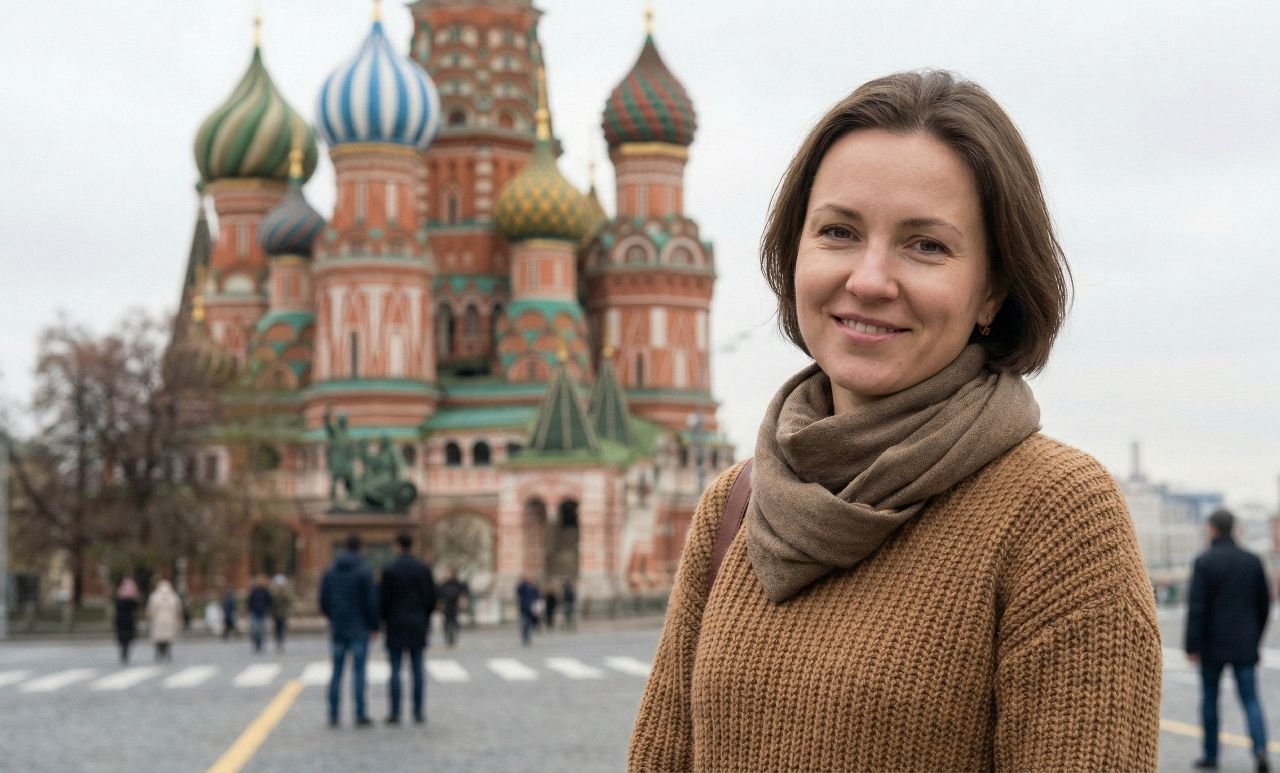
Anastasia is a Moscow-based travel blog writer who brings a local’s insight to one of the world’s most fascinating and misunderstood cities. Born and raised in Moscow, Russia, Anastasia shares an authentic, on-the-ground perspective on what it’s really like to explore the city beyond the postcards.
Her writing focuses on tourism in Moscow, practical guides for first-time visitors, and hidden corners that most travelers miss. In addition, Anastasia writes extensively about expat life in Moscow, covering everyday realities such as housing, transportation, cultural differences, and settling into life in the Russian capital.
As a solo traveler in her own city, she also documents Moscow through the lens of independence and curiosity — from navigating the metro alone at night to discovering cafés, museums, and neighborhoods that feel welcoming for solo visitors. Her work blends local knowledge with honest personal experience, helping travelers and expats alike feel more confident, informed, and inspired when discovering Moscow on their own terms.