

The Moscow Metro is one of the easiest parts of visiting the city — fast, clean, and it covers almost everywhere you’ll want to go.
The one thing to get right before you arrive is payment, since it doesn’t work the way it would in most European cities.
The Troika card is what you want
The Troika card is a reusable smart card that covers the metro, buses, trams and the Moscow Central Circle, at a small discount over single-ride tickets. Buy one at any station ticket window or machine for a small refundable deposit, then top it up with cash.
This is the part worth knowing in advance: foreign-issued Visa and Mastercard, along with Apple Pay and Google Pay, do not work at Moscow Metro machines or turnstiles. Top up with rubles in cash, or with a Mir-network card if you have one.

Single tickets, if you’d rather not get a card
Single and multi-ride paper tickets are still available at station windows for cash, if you’re only making a handful of trips and don’t want to bother with a card. For anything beyond a day or two in the city, the Troika card works out cheaper and is far more convenient.
A few stations worth riding for their own sake
Komsomolskaya, Mayakovskaya and Ploshchad Revolyutsii are among the most striking stations on the network, each decorated in a completely different style from the Soviet era. Komsomolskaya features a soaring Baroque-style ceiling and grand mosaics; Mayakovskaya is art deco with a futuristic ceiling; Ploshchad Revolyutsii is known for its bronze statues.
Operating hours
Trains run from roughly 5:30am until around 1am, with frequent service (every 2–5 minutes) during the day and less frequent late-night trains. That’s a wide enough window for nearly any itinerary.
Frequently Asked Questions
Can I pay for the Moscow Metro with a foreign card or Apple Pay?
No. Foreign-issued Visa, Mastercard, Apple Pay and Google Pay do not work on the metro. Use cash to buy or top up a Troika card, or a Mir-network card if you have one.
What is a Troika card?
A reusable smart card covering the metro, buses, trams and the Moscow Central Circle at a discount over single tickets. Buy it at any station for a small refundable deposit and top up with cash.
Getting Ready Before You Arrive
The Moscow Metro is simple to use once you understand the basics, and many visitors consider it the highlight of their transport experience. The challenge is payment. Systems that work for residents, such as local cards and phone-based payments, often depend on Russian accounts or phone numbers, while foreign bank cards generally do not work at the turnstiles. Before you travel, work out which ticket options you can realistically use as a visitor, and carry cash in case you need to buy tickets at a counter or a machine.
How to Choose a Ticket Type
- For a short visit with a few rides, single or limited-trip tickets are the simplest, as long as you can pay for them.
- For a stay of several days, a rechargeable card usually works out cheaper and faster, because you do not need to queue each time.
- For a longer stay, ask about passes that cover a period of time, and compare them with how many rides you expect to take.
- Keep your ticket or card until you exit, since some stations check it again.
Using the System Without Speaking Russian
Ticket machines often have an English language option, and staff at ticket counters may have limited English, so be ready to point at your map or show a note on your phone. Station names appear in both Cyrillic and, in many places, Latin script, but not everywhere, so a little practice with the alphabet helps. Our Russian language basics guide covers the phrases you need, and our guide to how the Moscow metro works explains lines, transfers and directions.
Etiquette and Safety on the Metro
Stand on the right side of escalators and let people pass on the left, move away from the doors when the train arrives and give up seats to older people and those who need them. Keep bags closed and in front of you in rush hour, since crowded trains attract pickpockets. Be careful on long escalators, particularly in wet or icy weather, and hold the handrail. Photography is generally fine on platforms and in stations, but follow any signs and instructions from staff.
Going Beyond the Basics
Many of the stations are attractions in their own right, so consider a slow ride through the most decorated ones with our metro architecture tour. For other ways to get around, read the cheapest ways to get around Moscow and our transport cost guide, and see the getting around hub. Fares, ticket types and payment rules change often, so check the official metro website or a recent source shortly before you travel.
Frequently Asked Questions About Metro Tickets
Can I buy a ticket for several people?
Some ticket types allow multiple passengers or multiple rides, while others are for one person. Ask the ticket office what each option allows.
What if I lose my ticket?
You may have to buy a new one, so keep it safe until you exit.
Do I need to carry small change?
It helps, since machines and counters may not like large notes.
Key Takeaways on Metro Tickets
- Choose the ticket type that fits how many rides you expect to take.
- Check whether a reusable card or a digital option is available to visitors.
- Keep your ticket until you leave the station.
- Use station staff or machines with an English option when available.
- Verify current ticket rules before you go.
The right choice depends on your length of stay and plans. Read our metro guide and our budget transport guide for more.
Whichever option you pick, take a moment at the first station to watch how locals enter, tap and exit. Keep your fare medium somewhere easy to reach, since the gates close quickly, and do not stand in front of them while you search your bag. If something does not work, staff at the station can usually help, and a screenshot of your destination in Russian makes questions easier.
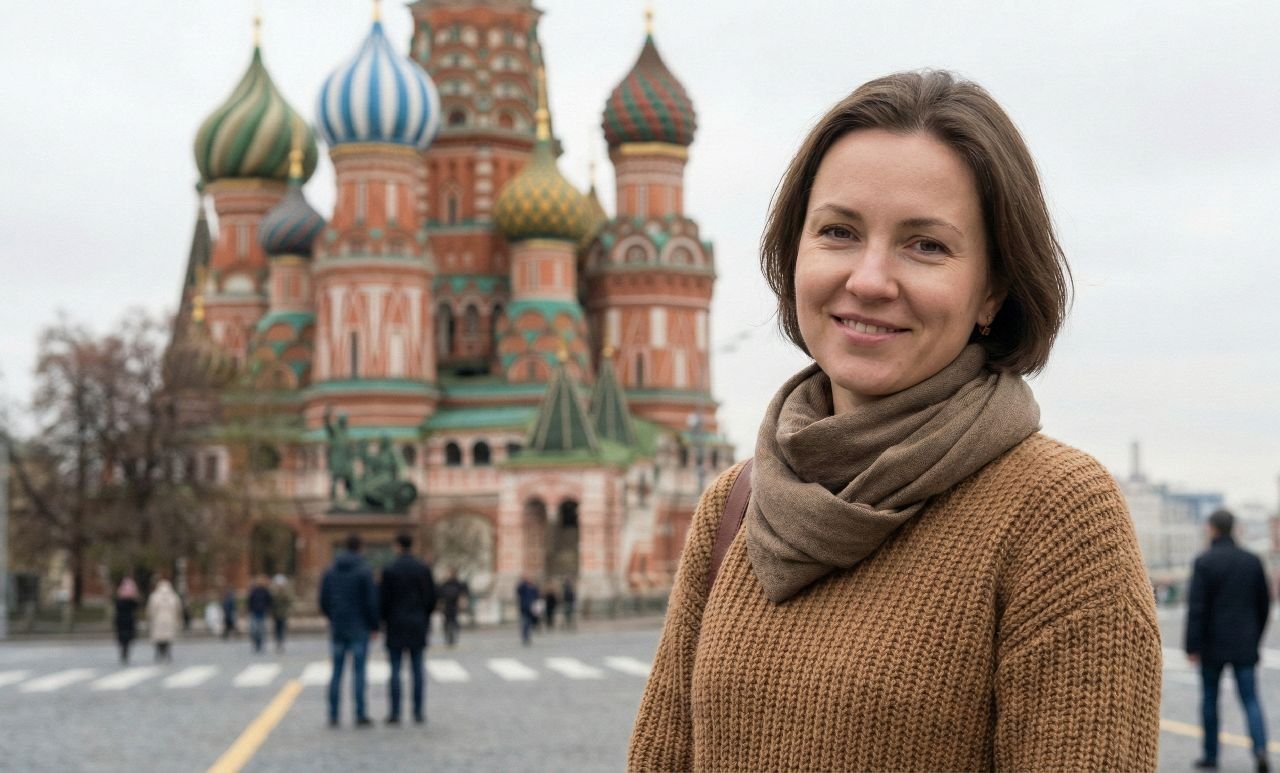
Anastasia is a Moscow-based travel blog writer who brings a local’s insight to one of the world’s most fascinating and misunderstood cities. Born and raised in Moscow, Russia, Anastasia shares an authentic, on-the-ground perspective on what it’s really like to explore the city beyond the postcards.
Her writing focuses on tourism in Moscow, practical guides for first-time visitors, and hidden corners that most travelers miss. In addition, Anastasia writes extensively about expat life in Moscow, covering everyday realities such as housing, transportation, cultural differences, and settling into life in the Russian capital.
As a solo traveler in her own city, she also documents Moscow through the lens of independence and curiosity — from navigating the metro alone at night to discovering cafés, museums, and neighborhoods that feel welcoming for solo visitors. Her work blends local knowledge with honest personal experience, helping travelers and expats alike feel more confident, informed, and inspired when discovering Moscow on their own terms.