

Most foreign visitors need a visa to enter Russia. Which one depends on your nationality: some nationalities can enter visa-free for a limited stay, some can apply for an e-visa online, and the rest apply through a Russian embassy or consulate. Check the official sources for your passport, as the rules change.
Three routes
- Visa-free. Citizens of certain countries can enter under bilateral agreements for a limited period.
- E-visa. Citizens of eligible countries can apply online for a short-stay electronic visa. Citizens of some countries, including the United States, have not been eligible. See travelling with a Russian e-visa.
- Consular visa. Everyone else applies at a Russian embassy, consulate or authorised centre, usually with an invitation or tourist voucher. See how to apply for a tourist visa, invitation letters and how long it takes.
There is no visa on arrival; see visa on arrival at Moscow airports.
At entry and during your stay
- Your passport must meet the validity requirements of your visa type and have blank pages.
- Foreign visitors must be registered at their accommodation. Hotels normally do this. See visa registration requirements.
- Carry your passport, visa and registration slip.
Travel advice and logistics
Many governments currently advise against travel to Russia, citing the conflict with Ukraine, security risks and the risk of arbitrary detention. Consular help for foreigners can be limited. Read your own government’s latest advice before you book.
- Many direct flights from Western countries are suspended, so routes are indirect; see travelling to Moscow from Europe.
- Foreign bank cards generally do not work; plan for cash. See paying in Moscow.
- Check that your travel insurance still covers Russia.
Frequently asked questions
Can US citizens enter Russia without a visa?
No, they need a visa from a Russian embassy or consulate.

Can you still visit Moscow as a tourist?
It is legally possible with the right visa, but many governments advise against it. See our trip planning page.
A Simple Way to Check Your Own Situation
Because the rules depend on your passport, there is no single answer that fits everyone. A practical way to work through it is to start with official information from the Russian government and your own government’s travel advice, then confirm the details with a consulate or an accredited agency. Write down the answers to four questions: which passport you will travel on, how long you plan to stay, what the purpose of your trip is and where you will enter and leave the country.
Planning Backwards From Your Departure Date
- Decide your travel dates only after you know how long your visa route takes.
- Check passport validity and blank pages well in advance.
- Arrange travel insurance that meets the visa requirements, as described in our insurance guide.
- Secure accommodation that can register your stay.
- Keep copies of every document, on paper and on your phone.
Why Details Change
Visa policy in Russia has shifted in response to changing relations with other countries, and new categories and rules have been introduced and revised. Articles written even a year ago can be out of date. When you read any guide, including this one, look at its date and compare it with official sources. If two sources disagree, trust the official one.
Related Guides
Read whether there is a visa on arrival, traveling with a Russian e-visa, how to apply for a tourist visa and how long a visa takes. Our visa and entry hub brings all of them together, and our planning hub covers the rest of the trip.
Frequently Asked Questions About Visas for Moscow
Do I need a visa if my passport is from the United States or the European Union?
Most visitors from those regions need a visa. The electronic visa is limited to certain nationalities, and travelers from some countries cannot use it, so check the official portal for your passport before you plan anything. Entry rules have also changed over the past few years, and they can differ for each nationality, so use the consulate that serves your country as your final check.
Can I rely on a list of visa-free countries I found online?
Treat any list with caution, including ours. Agreements change, and the permitted length of stay for visa-free visitors varies by nationality. A list copied from an old guide may no longer be correct. Confirm your status with an official source and count your days carefully if you qualify.
When should I start the process?
As early as you can, and certainly before you book non-refundable flights or hotels. Processing time depends on the type of visa and the consulate, as explained in our guide to visa timing.
Common Mistakes to Avoid
- Assuming that a visa you held before 2022 works the same way today.
- Confusing an electronic visa with a standard tourist visa, which have different conditions.
- Traveling on a passport with too little validity remaining.
- Forgetting that registration of your stay is a separate step from the visa.
- Trusting unofficial websites that charge extra fees for ordinary forms.
Your Next Steps
Read how to apply for a tourist visa, our e-visa guide and our guide to visas on arrival. Our visa and entry hub collects the rest, and our safety and advisories hub shows where to find your government’s travel advice.
Key Takeaways on Visa Requirements
- Most visitors need a visa or an approved electronic permit, depending on nationality.
- Rules differ by country and change often.
- Check your passport validity and any other requirements.
- Apply well before you plan to travel.
- Confirm everything with the consulate or official government sources.
The visa question is the first thing to settle, because it shapes the rest of your plans. Read our application guide and our e-visa guide.
Because entry rules differ by nationality and can change at short notice, treat any general guide as a starting point. Before you pay for flights or hotels, confirm your own situation with the consulate or the official government portal, write down the date you checked, and keep copies of any replies you receive. If your plans or passport details change, check again rather than assuming that earlier information still applies.
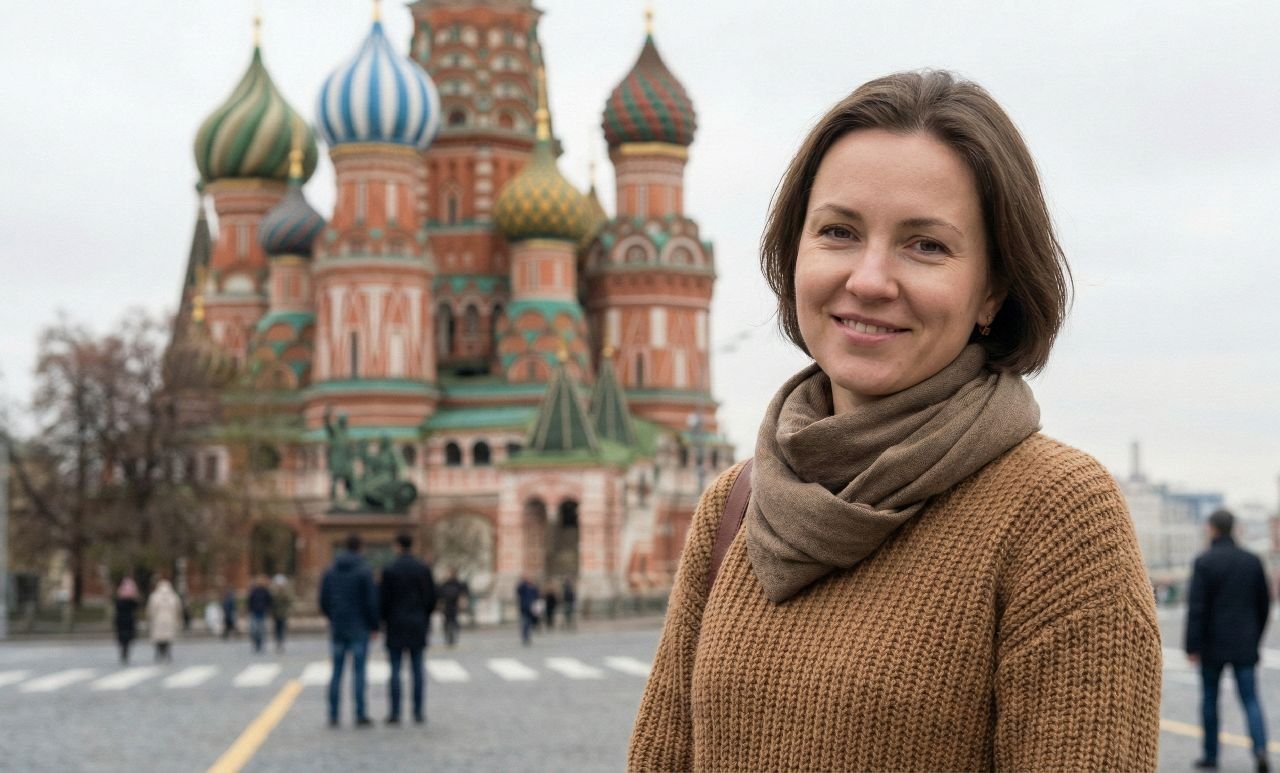
Anastasia is a Moscow-based travel blog writer who brings a local’s insight to one of the world’s most fascinating and misunderstood cities. Born and raised in Moscow, Russia, Anastasia shares an authentic, on-the-ground perspective on what it’s really like to explore the city beyond the postcards.
Her writing focuses on tourism in Moscow, practical guides for first-time visitors, and hidden corners that most travelers miss. In addition, Anastasia writes extensively about expat life in Moscow, covering everyday realities such as housing, transportation, cultural differences, and settling into life in the Russian capital.
As a solo traveler in her own city, she also documents Moscow through the lens of independence and curiosity — from navigating the metro alone at night to discovering cafés, museums, and neighborhoods that feel welcoming for solo visitors. Her work blends local knowledge with honest personal experience, helping travelers and expats alike feel more confident, informed, and inspired when discovering Moscow on their own terms.
[…] and permitted checkpoints change, so we do not list exact figures here. For the wider picture, see do I need a visa to visit Moscow, how to apply for a tourist visa and visa registration […]
[…] Entry to Russia needs a valid visa or an eligible e-visa. See do I need a visa to visit Moscow. […]
[…] US citizens need a Russian visa, and the e-visa is not available to them. Many governments, including the US, advise against travel to Russia, so read your government’s current advice. See our guide on whether you need a visa. […]
[…] Entry requirements, including any health documents, can change at short notice. Check the Russian foreign ministry or your consulate before travelling. See also visa requirements. […]
[…] entry, and not available to US citizens) on the official portal. Our guides explain the e-visa, whether you need a visa at all and visiting St Petersburg on one […]