

For visitors from outside Russia, yes. Cards issued abroad on Visa and Mastercard generally do not work in Russia, so you should plan to pay mostly in rubles cash. Check current conditions before you travel, as this has changed a lot since 2022.
Why cash matters
Visa and Mastercard suspended operations in Russia in 2022, and foreign-issued cards on those networks generally stopped working in Russian shops and ATMs. Apple Pay and Google Pay do not work with them either. Russian-issued cards and the domestic Mir system work normally, and Russians widely use QR and phone payments through Russian banks, but those need a Russian bank account. Details are in our guide to paying with cards in Moscow and ATMs.
Practical cash advice
- Bring enough cash for your whole trip, plus a reserve, in a widely exchanged foreign currency and in clean, undamaged notes.
- Change money at banks or licensed exchange offices, not on the street; see where to exchange money.
- Check current rules on how much cash you may bring in and whether you must declare it.
- Shops take rubles only. Foreign currency is not accepted for payments.
- Keep small notes for markets, kiosks and small cafes, and keep cash in separate places.
For how much to budget, see the daily travel budget, and for the currency, see what currency is used in Moscow.
Safety
- Carry only what you need each day and keep the rest in your accommodation.
- Be discreet when paying and in crowds, such as on the metro.
- Count change and watch for counterfeit notes.
- Do not plan on emergency transfers from abroad, as they are heavily restricted. Know how to contact your embassy.
Frequently asked questions
Do I need to bring cash to Russia?
Yes, for most foreign visitors, since foreign cards generally do not work.

Can I use US dollars in shops?
No. Exchange them for rubles first.
How Much Cash to Bring
The right amount depends on how long you will stay, where you will sleep and how you like to travel. Start by estimating your daily spending on food, transport, tickets and extras, multiply by the number of days, and add a buffer for emergencies. Our trip budget guide shows how to build that estimate. Check the rules on declaring cash at the border in both your departure and arrival countries, because limits and declaration requirements apply to larger sums.
Carrying Cash Safely
- Use a money belt or an inside pocket, and keep only the day’s spending money in your wallet.
- Do not count cash in public, and be discreet at ATMs and exchange counters.
- Keep a backup stash in a different place from your main supply.
- Store the rest in a hotel safe where one is available.
- Be extra careful in crowded places such as the metro, stations and tourist sights, where pickpockets operate in any large city.
Everyday Situations Where Cash Matters
Cash is useful for small purchases such as snacks, market stalls, taxis that are not booked through an app and tips. It is also the fallback when a card terminal is not available to you. Some places may prefer payments linked to local accounts, so keep notes of different sizes and ask staff what works. If you pay for a ride, the app approach described in our Yandex Go guide may let you pay the driver in cash.
Related Money Guides
For more detail, read what currency is used in Moscow, where to exchange money and whether tourists can use credit cards. Our practical information hub collects them all, and payment rules can change, so check current information before you travel.
Frequently Asked Questions About Cash in Moscow
Which currency should I bring?
Travelers generally bring a major foreign currency and exchange it for rubles after arrival, but which currencies are easy to change can vary over time and by exchange office. Check recent reports before you go, and read our guide to exchanging money. Exchange offices may also be fussy about the condition of notes, so bring clean, undamaged ones.
How much cash do I need?
Enough for the whole trip, plus a reserve, because you may not be able to withdraw money or use a card. Work out your total with our budget guide and add a margin for emergencies.
Is it safe to carry that much?
Carry it carefully. Split it between a few places, such as a hotel safe, a money belt and a small daily wallet, and avoid showing large sums when you pay. Keep a note of what you have spent so that you notice any loss quickly.
Mistakes That Cause Trouble
- Relying on a card as a backup, since foreign cards generally do not work.
- Exchanging all your money at the airport, where rates may be poor.
- Changing money with strangers on the street.
- Carrying only large notes that small shops cannot change.
- Not counting your change and exchange receipts.
Related Guides
Read our guide to credit cards, our ATM guide and our guide to the currency. See our practical information hub for more.
Key Takeaways on Carrying Cash
- Treat cash as your main way to pay, and plan the whole trip around it.
- Keep it in several places and carry only what you need for the day.
- Mix large and small notes.
- Exchange at official offices and keep receipts.
Because the situation with cards and cash machines has changed so much, many visitors feel nervous about arriving with a large amount of money. A few habits reduce the risk: use a hotel safe, stay aware in crowded places and avoid counting money in public. Agree on what you will pay for in advance, such as your accommodation, so that your daily spending is easier to manage. Read our guide to exchanging money and our budget guide to plan the amount. Always check the latest information before you travel.
Split your cash between a wallet, a hidden pouch and your hotel safe so that one loss does not end your trip. Keep small notes handy for everyday purchases, and avoid showing large amounts in public. Check the latest guidance on payments shortly before you travel, since conditions change.
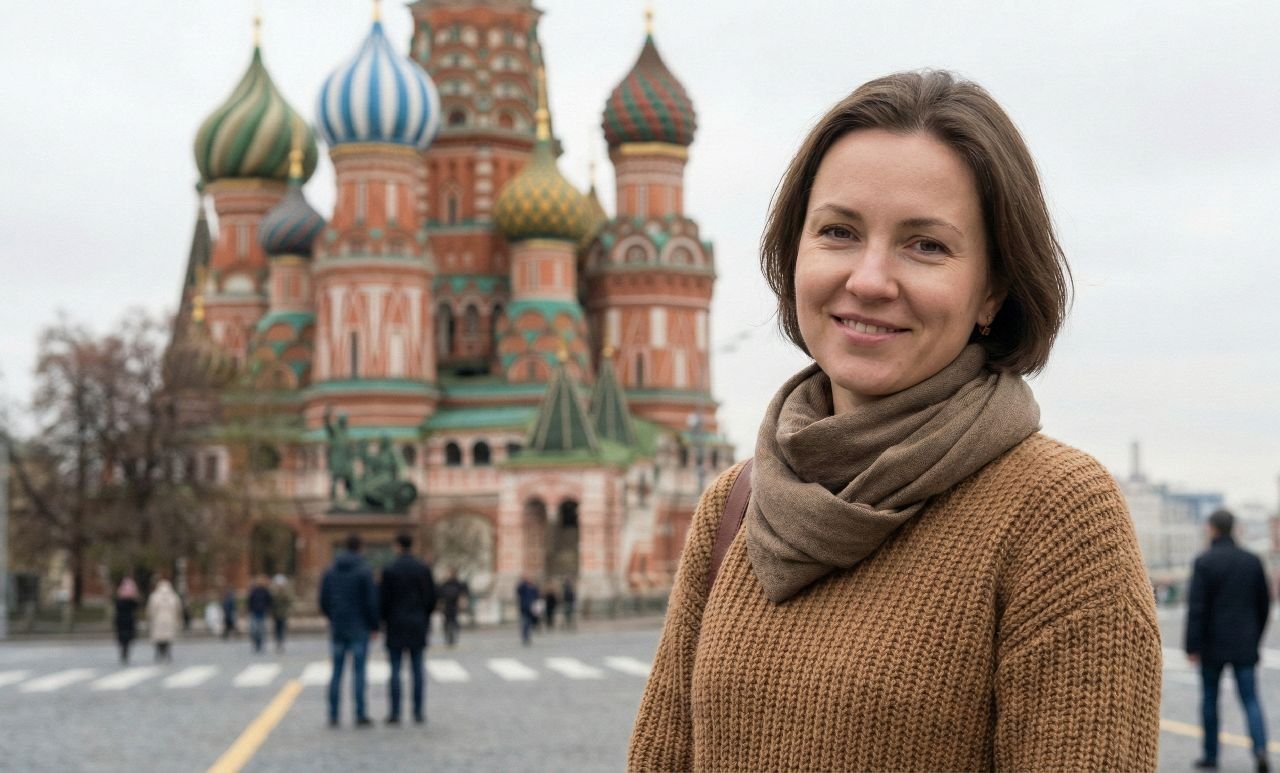
Anastasia is a Moscow-based travel blog writer who brings a local’s insight to one of the world’s most fascinating and misunderstood cities. Born and raised in Moscow, Russia, Anastasia shares an authentic, on-the-ground perspective on what it’s really like to explore the city beyond the postcards.
Her writing focuses on tourism in Moscow, practical guides for first-time visitors, and hidden corners that most travelers miss. In addition, Anastasia writes extensively about expat life in Moscow, covering everyday realities such as housing, transportation, cultural differences, and settling into life in the Russian capital.
As a solo traveler in her own city, she also documents Moscow through the lens of independence and curiosity — from navigating the metro alone at night to discovering cafés, museums, and neighborhoods that feel welcoming for solo visitors. Her work blends local knowledge with honest personal experience, helping travelers and expats alike feel more confident, informed, and inspired when discovering Moscow on their own terms.
[…] Carry cash, since foreign cards generally do not work in Russia. See our guides to cards and cash. […]
[…] foreign-issued cards generally do not work in Russia anyway, so bring cash. Our guides to cards and carrying cash explain […]
[…] Our guide to using credit cards in Moscow explains what does and does not work, and the guide to carrying cash covers the […]