

You’ve just arrived in Moscow, Russia, and the first question on your mind might be: “Is tap water safe to drink here?” It’s a simple thing but crucial for your health and comfort while exploring this vibrant city. Drinking water safety can vary widely from place to place, and knowing the truth can save you from unexpected stomach troubles.
In Moscow, official sources say the tap water meets safety standards, but many locals still choose bottled or boiled water. So, what should you do to keep your hydration worry-free? Keep reading, and you’ll discover exactly how safe Moscow’s tap water really is, plus practical tips to protect yourself during your stay.
Your health matters, and this guide will help you make smart, confident choices every time you reach for a glass of water.

Credit: www.theatlantic.com

Tap Water Quality In Moscow
Tap water quality in Moscow has improved significantly over the years. The city invests in modern water treatment to ensure safety. Residents rely on tap water daily, but many prefer bottled water out of caution.
Understanding Moscow’s tap water quality helps visitors and locals make informed choices. The following sections detail official standards, water sources, and comparisons with other cities.
Official Safety Standards
Moscow’s tap water meets strict Russian Federation regulations. These standards control chemical and biological contaminants. Regular testing ensures water stays within safe limits. The city follows guidelines set by the Ministry of Health. Water quality reports are published for transparency. Authorities require zero harmful bacteria in drinking water.
Water Sources And Treatment
The main water source is the Moscow River and underground wells. Water undergoes multi-stage treatment before reaching taps. Processes include filtration, chlorination, and UV disinfection. Treatment plants remove sediments, bacteria, and harmful chemicals. The system uses modern technology to maintain high purity. Despite this, aging pipes can affect water taste and clarity.
Comparison With Other Cities
Moscow’s tap water quality ranks well among large cities worldwide. It meets or exceeds many European standards. Cities like Berlin and Warsaw have similar treatment levels. Compared to some Western cities, Moscow’s water may have a different taste. This difference often comes from local minerals and pipe materials. Tourists often prefer bottled water but can safely use tap water for washing and cooking.

Credit: www.reddit.com
Local Drinking Habits
Understanding local drinking habits in Moscow helps grasp why many avoid tap water. Most locals do not drink it directly. They prefer bottled or filtered water for daily hydration. These habits reflect cultural preferences and concerns over water quality.
Despite this, tap water remains part of everyday life in many other ways. It is used for cleaning, cooking, and washing. Knowing these habits shows the balance between safety and practicality in Moscow.
Why Most Locals Avoid Tap Water
Many Moscow residents believe tap water tastes unpleasant. Chlorine and mineral content cause this. Some worry about old pipes contaminating water. These concerns lead people to choose bottled or filtered water. Drinking tap water directly is rare in homes and restaurants.
Common Uses Beyond Drinking
Tap water is safe enough for brushing teeth. Locals use it to wash fruits and vegetables. Cooking with tap water is also common. People trust it for cleaning dishes and household chores. These uses show tap water’s role beyond drinking.
Public Perception And Trust
Public trust in tap water safety is mixed. Official reports say Moscow’s water meets safety standards. Still, many locals remain cautious. Past issues with water quality affect trust. Bottled water sales continue to grow, reflecting public preference.
Health Risks And Precautions
Drinking tap water in Moscow carries some health risks. Understanding these risks helps you stay safe. Taking simple precautions can protect you from illness. This section explains potential contaminants, proper boiling and filtration, and tips for tourists.
Potential Contaminants
Moscow’s tap water may contain bacteria, viruses, and parasites. Old pipes can add heavy metals like lead and iron. Chemicals from industrial pollution sometimes enter water sources. Chlorine is used to kill germs but can leave a taste or smell. These contaminants can cause stomach upset or infections.
Boiling And Filtration Practices
Boiling water for three to five minutes kills most germs. Let the water cool before drinking. Using a water filter with activated carbon removes chlorine and some metals. Filters should be cleaned or replaced regularly. Combining boiling and filtering provides extra safety for drinking water.
Recommendations For Tourists
Tourists should avoid drinking tap water directly in Moscow. Use bottled water for drinking and brushing teeth. Boil or filter tap water if bottled water is unavailable. Wash fruits and vegetables with bottled or boiled water. Carry a portable water filter for convenience and safety.
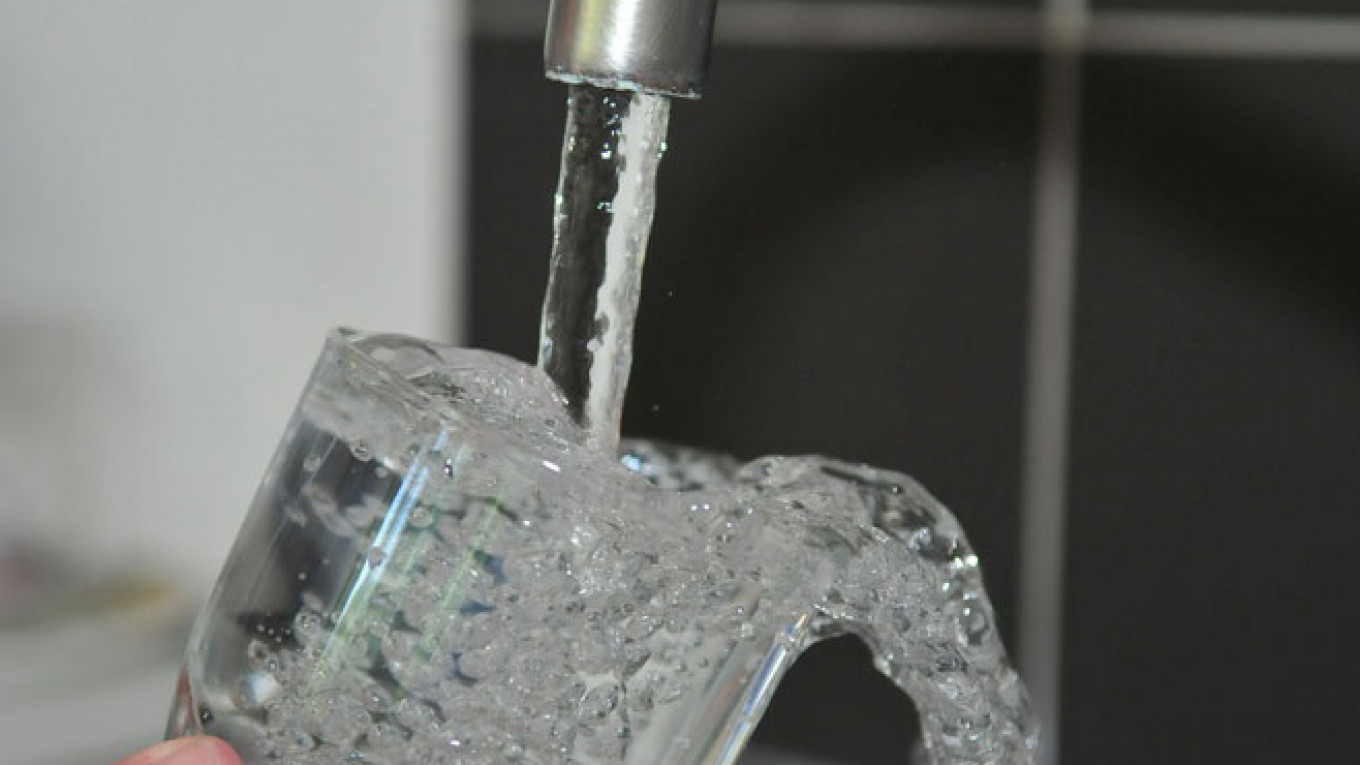
Credit: www.themoscowtimes.com
Global Tap Water Safety
Tap water safety varies greatly around the world. Some countries provide clean and safe water directly from the tap. Others may have water that needs boiling or filtering before drinking. Understanding global tap water safety helps travelers and residents make informed choices.
Water quality depends on many factors. Natural sources, treatment methods, and local regulations all play a role. This section looks at which countries have the cleanest tap water. It also explains key factors affecting water quality. Finally, it compares Moscow’s tap water to global standards.
Countries With The Cleanest Tap Water
Several countries stand out for their clean tap water. Switzerland is famous for its pure mountain springs. Iceland’s water comes from glacial melt, making it very pure. Norway and Finland have strict rules and abundant fresh water. New Zealand protects its natural sources well.
Singapore uses advanced technology and rigorous testing to ensure safe water. Canada benefits from huge freshwater reserves and strong filtration systems. These countries combine natural resources with strict controls to keep water safe and tasty.
Key Factors Affecting Water Quality
Water quality depends on three main factors. First, natural sources like glaciers, springs, or clean lakes provide the base water. Second, government regulations set safety standards and require regular testing. Third, infrastructure involves treatment plants that remove harmful substances.
Good infrastructure uses advanced filtration and disinfection methods. Poor infrastructure can lead to contamination. Pollution from industry or agriculture can harm water quality. Protecting natural sources and maintaining treatment systems ensures safe tap water.
How Moscow Compares Globally
Moscow’s tap water is treated and generally safe for daily use. Locals use it for brushing teeth and washing food. Many people prefer bottled water for drinking. The city’s water comes from reservoirs and rivers, then undergoes filtration and disinfection.
Compared to top countries, Moscow’s water quality is good but not the cleanest. Strict regulations and modern plants help maintain safety. Visitors can drink tap water but may prefer bottled for taste and peace of mind.
Practical Tips For Visitors
Visitors to Moscow often wonder about the safety of tap water. Understanding practical tips helps enjoy your trip without health worries. Simple guidelines keep you safe and comfortable during your stay.
Safe Drinking Options
Tap water in Moscow is generally treated and safe for many uses. Locals rarely drink it directly, preferring bottled or filtered water. For visitors, buying sealed bottled water is the safest choice. Many stores and cafes sell affordable bottled water. Using a portable water filter can be helpful too.
Using Tap Water For Food Preparation
Tap water is safe for washing fruits and vegetables. It is also fine for brushing your teeth. Avoid drinking tap water directly from the sink. Boiling tap water before cooking adds extra safety. Hot water kills most germs that may be present. This practice is common in hotels and home kitchens.
Avoiding Common Mistakes
Do not drink tap water straight from the tap in unfamiliar places. Avoid ice cubes in drinks unless you know their source. Check if bottled water seals are intact before buying. Do not use tap water for making baby formula. Carry a small bottle of safe water during long outings. These small steps reduce the risk of stomach issues.
Frequently Asked Questions
Is Tap Water In Moscow, Russia Safe To Drink?
Tap water in Moscow meets safety standards and is officially safe to drink. Many locals prefer bottled or boiled water. It is safe for brushing teeth and washing produce. Tourists can drink it but may choose bottled water for peace of mind.
What Not To Do In Russia As A Tourist?
Avoid drinking alcohol in public and giving money to beggars. Women should not smile at strangers. Stay cautious with belongings and follow local laws strictly.
Which Country Has The Cleanest Tap Water To Drink?
Switzerland, Iceland, Norway, Finland, and New Zealand have the cleanest tap water. Strict regulations and pure natural sources ensure high quality. Singapore, Germany, and Canada also provide safe, drinkable tap water due to advanced treatment and strong conservation efforts.
Should Tourists Drink Tap Water?
Tourists should avoid drinking tap water unless local authorities confirm its safety. Bottled water remains the safest choice. Tap water quality varies by country and city. Always check local guidelines before drinking to prevent illness from bacteria or parasites. Use tap water only for brushing or washing fruits.
Conclusion
Tap water in Moscow meets official safety standards for drinking. Most locals avoid drinking it directly, preferring bottled water. It is safe to use for brushing teeth and washing food. Travelers should stay cautious and choose bottled water if unsure.
Clean tap water depends on local infrastructure and treatment quality. Moscow’s tap water is generally safe but personal preference varies. Staying informed helps you make smart choices while visiting. Drinking safe water supports good health during your trip.
Anastasia is a Moscow-based travel blog writer who brings a local’s insight to one of the world’s most fascinating and misunderstood cities. Born and raised in Moscow, Russia, Anastasia shares an authentic, on-the-ground perspective on what it’s really like to explore the city beyond the postcards.
Her writing focuses on tourism in Moscow, practical guides for first-time visitors, and hidden corners that most travelers miss. In addition, Anastasia writes extensively about expat life in Moscow, covering everyday realities such as housing, transportation, cultural differences, and settling into life in the Russian capital.
As a solo traveler in her own city, she also documents Moscow through the lens of independence and curiosity — from navigating the metro alone at night to discovering cafés, museums, and neighborhoods that feel welcoming for solo visitors. Her work blends local knowledge with honest personal experience, helping travelers and expats alike feel more confident, informed, and inspired when discovering Moscow on their own terms.