

Nomads planning a stay in Moscow, I’ll walk you through the main pathways I recommend: short-term tourist and e-visa options, longer-stay business or work visas, and registration rules that affect your daily life. I’ll flag what’s positive: flexible e-visa processing, and what’s dangerous: overstaying can lead to fines, deportation, or bans, plus how your passport must be valid for at least six months so you don’t get stuck.
Types of Visas for Digital Nomads
| Tourist visa | Typical validity up to 30 days per entry (single/double); no legal right to work for Russian employers; requires a visa support/tourist voucher; e-visa options do not normally cover Moscow. |
| Business visa | Issued on an invitation from a Russian entity; often multi-entry up to 1 year; allows meetings, conferences and business negotiations but not formal employment without a work permit. |
| Work visa | Requires employer sponsorship and a work permit (or quota in some cases); tied to the hiring company; processing typically takes several weeks to a few months and gives you the right to be employed in Russia. |
| Highly Qualified Specialist (HQS) | Streamlined route for high-paid specialists with simplified permits, faster processing and often multi-year validity; employers must meet the program requirements and submit documentation on salary and role. |
| Temporary residence / residence permit | Longer-term options that allow work and family moves but involve a more complex, months-long process and stricter eligibility checks compared with short-term visas. |
- digital nomad
- work visa
- tourist visa
- Moscow
- Russia
Work Visas
I advise you that obtaining a work visa means an employer in Russia must apply for a work permit on your behalf; the visa itself is tied to that employer and position, so you can’t switch jobs freely without new paperwork. In practice the process involves the employer securing either a quota place (if required for your nationality) or a permit, then you apply at a consulate with the issued documents – processing often ranges from a few weeks to several months depending on the region and the employer’s preparedness.
I also point out that the Highly Qualified Specialist (HQS) route can be faster and more flexible for tech and senior roles: it typically offers simplified permit rules, potential for multi-year validity, and easier family reunification. If you want to be employed by a Russian entity rather than just work remotely for a foreign company, you should budget for employer-led administrative time and expect formal payroll, tax registration and local registration with migration authorities.
Tourist Visas
I often see digital nomads use a tourist visa because it’s straightforward to get for short stays (usually up to 30 days per entry) and it lets you stay in Moscow while working remotely for a foreign client. That said, you must be aware that a tourist visa gives you no legal right to work for a Russian company – authorities distinguish between remote work for foreign employers (commonly tolerated) and employment with a Russian entity (not allowed on a tourist visa).

I recommend treating tourist stays conservatively: carry proof of onward travel, hotel bookings or invitation letters, and be mindful of visa validity and entry stamps since overstays trigger fines and possible deportation. From practical experience, many nomads successfully live and work in Moscow on consecutive tourist/business visas, but you increase risk if you register with a Russian employer or accept local payroll.
I tell clients to keep their migration card issued on arrival and to ensure registration within 7 days if their accommodation requires it (hotels usually handle this automatically; private hosts must register you). Any failure to comply with registration or visa conditions can lead to fines, deportation, or bans on re-entry.
Tips for Choosing the Right Visa
Assessing Your Needs
I start by mapping the exact pattern of your stays: if you plan repeated short visits under 90 days a year, a tourist or short-term business route often works; if you expect continuous residence beyond 90 days, you need a sponsored work or temporary residence option. In practice, many consulates issue tourist visas for about 30 days (some up to 90), while business invitations commonly support multi-entry visas valid up to 12 months, so match visa length to your longest continuous stay to avoid repeat applications and extra travel.
- Length of stay: pick a visa that covers your longest uninterrupted stay rather than many short ones.
- Permitted activities: confirm whether the visa allows remote work for foreign clients – some visas explicitly forbid paid activity in Russia.
- Registration: plan for the 7‑day local registration requirement on arrival and the consequences of overstaying, which can include fines and deportation.
- Taxes: determine when your presence triggers tax residency (typically >183 days) and budget accordingly.
Consulting with Experts
I frequently tell nomads that a short consult with an immigration lawyer or a reputable visa agency can save weeks: agencies handle invitations, notarizations and tourist support letters and lawyers advise on whether a work route or a business invitation is safer for your income structure. Typical agency fees in Moscow range from about $100-$500 for support letters and submissions, while full legal packages that cover tax advice and permit applications can run higher; timelines vary from 10 days for basic support to 8-12 weeks for complex permits.
When I work with specialists I ask for a clear checklist: which originals, which notarized translations, whether an apostille is needed, delivery timelines, and a written refund policy if a consulate rejects the application. Also verify whether the service will handle local registration with your landlord or hotel within the required period, because failing that step is one of the most dangerous mistakes for a digital nomad in Moscow.
I also recommend checking coworking and connectivity options as part of the consultation so your visa choice aligns with where you’ll actually work – for instance, the Moscow Pass for Nomads Co-Working and WiFi Access can reduce day‑to‑day friction and influence whether a shorter, multi-entry visa makes more sense for your rhythm. Thou verify all quoted timelines and fees in writing before you commit.
Step-by-Step Guide to Application Process
Application at a glance
| Step | What I prepare / example |
|---|---|
| 1. Gather documents | Passport valid for at least 6 months beyond departure, 2 blank pages, 2 passport photos (35×45 mm), travel insurance for the stay, bank statements (last 3 months), employment contract or freelance invoices. |
| 2. Visa support | Hotel booking or official invitation (business/private). I consult guides like Visa for Digital Nomads and Remote Workers for sample invitation letters and templates. |
| 3. Fill application | Complete online consular form, print confirmation, attach required photos and copies. |
| 4. Book appointment | Schedule a visa-center or embassy appointment for submission and biometrics; I book 2-4 weeks ahead to secure dates. |
| 5. Pay & submit | Pay visa fee (varies by nationality), submit originals and copies, collect receipt with tracking or pickup date. |
| 6. Wait & collect | Standard processing often 10-20 business days; expedited options can take 3-5 business days. I choose courier pickup if I need faster return. |
Gather Necessary Documents
I make sure my passport is valid for at least six months beyond the date I plan to leave Russia and has two blank pages; consulates commonly reject applications that don’t meet this. You should prepare 2 passport-sized photos (35×45 mm), travel insurance covering the entire stay, and proof of stable income – typically bank statements for the last 3 months or contracts/invoices showing regular earnings; I’ve seen visa officers ask specifically for the last 90 days of transactions.
For visa support I either secure a hotel booking with a paid confirmation or an official invitation letter from a host or business in Russia; private invitations issued through the migration service or an approved agency are often required for long stays. If you want examples of how invitation letters can be formatted and what additional supporting docs remote workers use, consult a focused resource like Visa for Digital Nomads and Remote Workers, which shows typical templates and evidence that visa centers accept.
Submitting Your Application
I complete the online consular application accurately, print the confirmation page, and gather originals plus one set of copies-incorrect names or mismatched dates are a common reason for refusal, so I check every field twice. Then I book a slot at the visa centre or embassy, bring the printed form, passport, photos, invitation, insurance, and proof of funds; if you’re applying through a visa centre, you may drop documents and return on the stated pickup date.
Processing times vary by visa type and nationality: tourist or business visas typically clear in about 10-20 business days under standard service, while express services can be 3-5 business days. Missing documents or untranslated paperwork can cause denials or long delays, so I include certified translations where the consulate requests them and keep digital copies of every submission.
When I submit, I pay attention to how fees are accepted (card, bank transfer, or cash at the centre), retain the submission receipt, and note the reference number for tracking; using a courier service both ways has saved me time and reduced the risk of lost passports in two separate applications.
Factors to Consider Before Applying
I focus on a few practical realities when choosing between a tourist visa, business visa, or a sponsored work visa for Moscow. You should check how long you plan to stay, whether your income comes from a foreign or Russian source, the need for local registration within seven working days, and the potential tax implications if you exceed 183 days in a calendar year. I’ve found that planning for health insurance, a backup departure plan, and a clear understanding of entry requirements saves time and money.
I also weigh enforcement risk: while many remote workers effectively run a business for clients outside Russia on a tourist visa, Russian law generally bars foreign nationals from performing work for a Russian employer without authorization, and fines, deportation, or denied re-entry are possible if authorities deem your activity unlawful.
- Duration – how many consecutive days/months you need in Moscow
- Employment status – foreign employer vs Russian employer vs self-employed
- Tax residency – the 183 days rule and implications for worldwide income
- Registration – reporting your address within seven working days of arrival
- Insurance and exit strategy – medical cover and contingency funds
After weighing these variables I usually choose the visa route that minimizes legal exposure while matching my planned duration and income structure.
Duration of Stay
I plan around the most common visa windows: a standard tourist visa is most often issued for up to 30 days (some are issued for 60-90 days), while a business visa can be issued as a multiple-entry document valid for up to one year depending on the invitation. If I expect to be in Moscow intermittently over several months, a multi-entry business visa or arranging for temporary residence via a sponsored work visa makes sense to avoid repeated visa runs.
While arranging paperwork, I check the local registration requirement – you must register your place of stay within about seven working days – and I track days in-country so I don’t accidentally trigger tax residency (183 days). When I needed longer than 90 days in a calendar year I either applied for a longer-stay visa or scheduled clear breaks outside the country to avoid residency rules and potential tax filings.
Employment Status
If you’re employed by a Moscow-based company, I insist on employer sponsorship because a work visa and a work permit are normally required; hiring a foreign national without these is risky for both parties. When I worked for a local startup they handled the work permit and visa invitation; that route gave me legal clarity and access to Russian payroll and social contributions, which simplifies matters like opening local bank accounts.
For remote work for a non-Russian company, I typically use a tourist visa or a short-term business visa but keep evidence that my clients are abroad (invoices, contracts, payment records). I avoid taking Russian-sourced contracts while on a tourist visa because engaging with the Russian labor market without authorization is illegal and increases the chance of fines or deportation.
Pros and Cons of Different Visa Options
Pros and cons at a glance
| Pros | Cons |
|---|---|
| Fast entry with a tourist visa or e‑visa for short stays | Short duration and not legally meant for remote employment |
| Business visas often allow multiple entries and longer cumulative stays (1-3 years) | Require an invitation letter or company sponsorship and can be costly |
| Work visas grant legal employment, payroll, and social benefits when properly issued | Work permits take time (weeks to months) and need employer support |
| Student visas let you stay while studying and can be extended annually | Student status limits professional activity and may require proof of attendance |
| Some visas make it easier to open local bank accounts and get SIM cards | Banking and long‑term services often need local registration and identity documents |
| Longer visas reduce travel interruptions for projects that span months | Longer stays trigger the 183‑day tax residency rule, creating tax obligations |
| Using a company‑sponsored route provides clearer legal footing for clients and contracts | Setting up sponsorship or local employment adds administrative and legal overhead |
| Multiple‑entry visas support travel across the region without repeated consulate trips | Visa extensions, registrations, and local police checks are frequent burdens |
Advantages
I often recommend business or employer‑sponsored routes because they give you the best mix of legal cover and continuity: business visas can be valid for 1-3 years with multiple entries, and work visas let you be officially employed and access payroll, health contributions, and local contracts. You’ll find that having proper sponsorship simplifies opening a bank account, signing longer leases, and negotiating with clients who prefer dealing with someone legally present.
For short projects, I still use tourist or regional e‑visas since they’re the quickest to obtain and cost‑effective for stays under a month. If you need to hop in and out-for meetings or a sprint of onsite work-those options minimize downtime. Just weigh that convenience against limitations on formal work activities.
Disadvantages
I’ve run into the limits firsthand: Russia currently has no dedicated digital nomad visa, so you’re juggling imperfect options that weren’t designed for remote freelancers. Processing times for work routes can stretch to several weeks or months, and you’ll be handling invitations, medical checks, and visa registration duties-often within 7 days of arrival for local registration-so administrative friction is constant.
More detail on the downside: exceeding 183 days in a 12‑month period typically makes you a tax resident, which means you or your clients may need to deal with Russian income tax and reporting. Overstays or incorrect use of a tourist/business visa can trigger fines, deportation, or bans, so I treat visa choice as a legal and financial decision, not just a travel convenience.
Frequently Asked Questions
Can I work remotely for my foreign clients while on a tourist or business visa?
I often tell nomads that Russia doesn’t have a specific “digital nomad” visa, but you can do remote work for non‑Russian companies while on a tourist or business visa; you must not be employed by a Russian entity or perform work that implies a local employment relationship. If you stay more than 183 days in a 12‑month period you become a Russian tax resident and may owe personal income tax on worldwide income – currently 13% up to 5,000,000 RUB and 15% on the excess, whereas non‑residents are typically taxed at a higher flat rate (around 30% on Russian‑source income). I recommend checking with a tax adviser before your stay: I know someone who stayed 200 days and ended up filing as a resident, which changed their tax obligations substantially.
How can I extend my stay, register, and avoid penalties?
I get asked this a lot: tourist visas are rarely extended in Russia, so the usual route is to apply for a new visa from outside the country or use a business/student visa if you need longer access – business visas can be issued for up to one year with multiple entries if you have a sponsoring invitation. You must register your arrival within 7 working days (hotel or private registration service can do this); failing to register or overstaying can lead to administrative fines in the low thousands of rubles, deportation, and multi‑year re‑entry bans, so I always advise handling registration immediately on arrival.
Conclusion
On the whole I find that Russia does not offer a specific digital nomad visa, so your short-term choices are usually a tourist or e-visa (where available) or visa-free entry if your nationality allows it; for longer or repeat stays I would look at a business visa with an official invitation, a work visa or the Highly Qualified Specialist (HQS) route if you have a sponsoring employer and meet salary thresholds, or longer-term residence permits if you plan to settle.
I recommend checking current rules with the nearest Russian embassy or consulate and planning for migration registration once you arrive, since your best route depends on your nationality, how long you want to stay, and whether you’ll be formally employed in Russia.
FAQ
Q: What visa types can I use for a short stay in Moscow as a digital nomad?
A: The common short-stay options are tourist and business visas. Tourist visas are issued by Russian consulates and typically cover stays of limited duration (single- or multiple-entry depending on nationality and consulate conditions); they are intended for sightseeing and private visits and do not authorize local employment. Business visas require an official invitation from a Russian host (company or organization) and are better suited for attending meetings, conferences or client work; they can be issued as multi-entry for longer validity. Hotels and hosts usually handle migration registration for arrivals.
Q: Are there long-term or work-based routes for remote workers who want to live in Moscow?
A: Long-term options include a work visa supported by a Russian employer (the employer must obtain the necessary work permit/approval), the Highly Qualified Specialist (HQS) route for certain skilled employees with expedited processing and special terms, and residence routes (temporary residence permit leading to permanent residence) available via employment, family reunification, humanitarian grounds or approved investment programs. Each route has specific eligibility, document and medical requirements; most require sponsorship by a Russian employer or an approved invitation for the relevant category.
Q: What practical compliance, tax and administrative issues should digital nomads know when staying in Moscow?
A: You must register your place of stay with migration authorities (hotels normally register guests; private landlords or hosts must register you within the statutory timeframe). Tax residency is generally determined by physical presence (commonly a 183-day threshold) and, if you become a Russian tax resident, you are liable for Russian taxation on worldwide income subject to tax treaties. Remote work for a foreign employer can still create tax and immigration obligations even if employment occurs offsite; work without the proper permit risks fines, deportation or denial of future entry. Confirm current visa rules and tax implications with a Russian consulate or an immigration/tax professional before relocating.
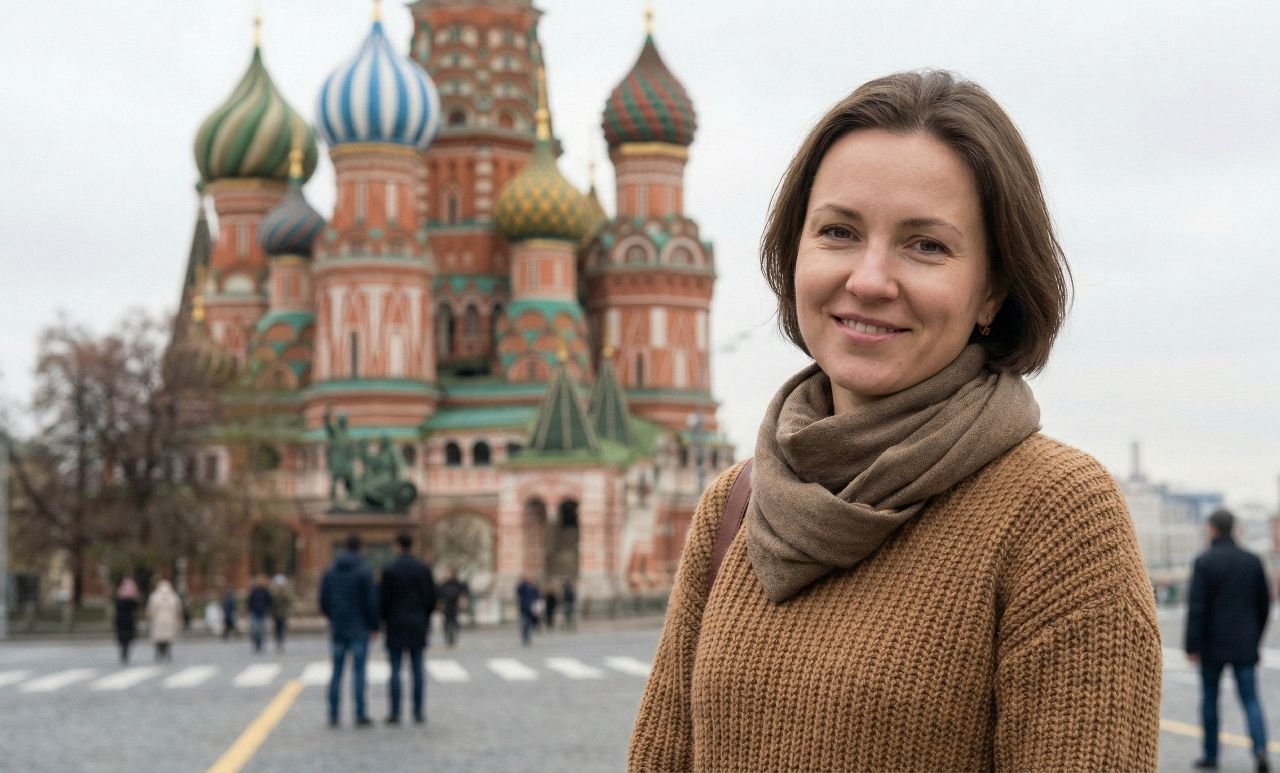
Anastasia is a Moscow-based travel blog writer who brings a local’s insight to one of the world’s most fascinating and misunderstood cities. Born and raised in Moscow, Russia, Anastasia shares an authentic, on-the-ground perspective on what it’s really like to explore the city beyond the postcards.
Her writing focuses on tourism in Moscow, practical guides for first-time visitors, and hidden corners that most travelers miss. In addition, Anastasia writes extensively about expat life in Moscow, covering everyday realities such as housing, transportation, cultural differences, and settling into life in the Russian capital.
As a solo traveler in her own city, she also documents Moscow through the lens of independence and curiosity — from navigating the metro alone at night to discovering cafés, museums, and neighborhoods that feel welcoming for solo visitors. Her work blends local knowledge with honest personal experience, helping travelers and expats alike feel more confident, informed, and inspired when discovering Moscow on their own terms.