What Currency is Used in Moscow Russia: Ultimate Guide for Travelers

What Currency is Used in Moscow Russia

Planning a trip to Moscow? One of the first things you need to know is what currency you’ll be using during your stay.

Understanding the currency in Moscow, Russia, can save you from confusion and help you manage your money wisely while exploring this vibrant city. Are you wondering which bills and coins you should carry? Or how easy it is to use your credit cards there?

Keep reading to discover everything about Moscow’s currency, so you can feel confident and prepared from the moment you arrive. Your smooth and hassle-free experience starts here.

What Currency is Used in Moscow Russia: Ultimate Guide for Travelers

Credit: russiable.com

Currency In Moscow

Moscow, the capital of Russia, uses its own national currency for all transactions. Visitors and locals rely on this currency for buying goods, services, and paying bills. Understanding the currency helps in planning your expenses and making smooth purchases.

Russian Ruble Basics

The official currency of Moscow is the Russian Ruble. It is abbreviated as RUB. The Ruble has been Russia’s currency for many years. It plays a crucial role in the country’s economy. Tourists need to exchange their money for Rubles to shop and dine in Moscow.

Currency Symbol And Denominations

The symbol for the Russian Ruble is ₽. This symbol is used on price tags and money exchange signs. The currency comes in several denominations. Both coins and banknotes are common in daily use. Knowing the symbol and denominations helps in recognizing prices easily.

Coins And Banknotes

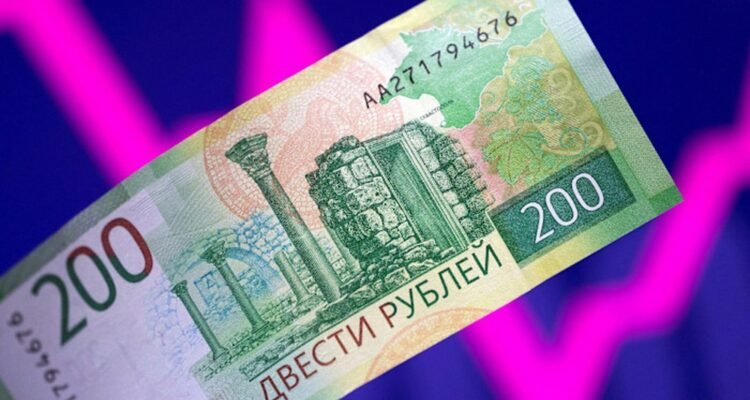
Coins in Moscow come in kopecks and Rubles. Kopecks are smaller units, with 100 kopecks equal to 1 Ruble. Common coins include 1, 5, 10, and 50 kopecks. Ruble coins include 1, 2, 5, and 10 Rubles. Banknotes are available in 50, 100, 200, 500, 1000, 2000, and 5000 Rubles. They feature important Russian landmarks and historical figures. Both coins and notes are widely accepted in shops and markets.

Exchanging Money

Exchanging money in Moscow is simple but knowing where and how helps save time and money. The Russian Ruble (RUB) is the official currency. Tourists need to exchange their foreign cash into rubles for daily use.

Many places accept cards, yet cash remains important for small shops and markets. Planning ahead ensures smooth spending during your stay.

Where To Exchange Currency

Exchange currency at banks or official exchange bureaus. Airports have exchange counters, but rates tend to be less favorable. City center bureaus offer better rates and more options.

Avoid street exchangers to prevent scams. ATMs are widely available for withdrawing rubles using international cards. Check with your bank about fees before traveling.

Best Currencies To Bring

Bring US dollars or euros for easy conversion to rubles. These currencies are widely accepted at exchange points. Avoid carrying large amounts of cash for safety.

Smaller bills exchange better than large denominations. Keep some cash handy for immediate expenses upon arrival. Credit and debit cards also work well in most places.

Exchange Rates And Fees

Exchange rates vary daily and differ by location. Banks and official bureaus offer transparent rates, often better than airports. Compare rates before exchanging to get the best deal.

Expect small service fees or commissions. ATMs charge withdrawal fees depending on your bank. Monitor your card’s foreign transaction fees to avoid surprises.

Using Cards And Cash

Travelers to Moscow need to understand how to manage money during their stay. Knowing when to use cards or cash can save time and avoid hassles. Both payment methods are common, but each has its place.

Card Acceptance In Moscow

Most shops, restaurants, and hotels accept credit and debit cards. Visa and Mastercard are widely used. Some places also take American Express. Contactless payments work well in big stores and cafes. Smaller shops may not accept cards, so carry some cash.

Atms And Cash Withdrawals

ATMs are easy to find in Moscow. They offer cash withdrawals in Russian rubles. Use your card at ATMs linked to major networks like Visa or Mastercard. Check your bank’s fees for international withdrawals. Many ATMs have English language options for convenience.

When To Use Cash

Cash is useful for markets, street vendors, and small shops. Some taxis and local services prefer cash payments. Carry small bills and coins for easy transactions. Cash also helps in places where card machines are not available or do not work.

What Currency is Used in Moscow Russia: Ultimate Guide for Travelers

Credit: www.ft.com

Currency Restrictions

The currency system in Moscow faces several restrictions that affect both locals and visitors. These rules influence how money moves in and out of the city. Understanding these restrictions helps travelers and businesses plan their finances better. Moscow’s currency rules reflect broader economic and political conditions.

Sanctions Impact

International sanctions limit Russia’s access to global financial markets. These sanctions affect currency exchange and banking operations. Many foreign banks avoid dealings with Russian institutions. This reduces the availability of foreign currency in Moscow. Sanctions also cause fluctuations in the ruble’s value. Businesses in Moscow face challenges when trading internationally.

Limits On Cash Carrying

The Russian government sets rules on how much cash people can carry. Tourists must declare large sums of money at customs. This rule aims to control money laundering and illegal transfers. Carrying large amounts of foreign currency can lead to fines. Local residents also face limits on cash withdrawals. These controls help monitor financial flows within the country.

Declining Use Of Foreign Currencies

The use of foreign currency in Moscow is decreasing. The ruble is the main currency for daily transactions. Shops and services often refuse payment in dollars or euros. Banks encourage exchanging foreign money into rubles quickly. This trend supports the national currency’s stability. It also helps reduce dependence on unstable foreign currencies.

Tips For Travelers

Traveling to Moscow means dealing with the Russian Ruble, the local currency. Knowing how to handle money wisely makes your trip smoother and safer. Here are some useful tips for travelers to keep in mind when using the Russian Ruble in Moscow.

Carrying Extra Cash

Always carry some extra Russian Rubles. Small shops and local markets may not accept cards. ATMs are common but can be scarce in some areas. Extra cash helps during emergencies and small purchases. Keep cash in different places for safety.

Safety And Security

Use hotel safes to store large amounts of money. Avoid showing cash in public. Pickpocketing can happen in crowded places. Use RFID-blocking wallets to protect cards from theft. Only withdraw money from ATMs inside banks or malls.

Avoiding Common Scams

Check the exchange rate before converting money. Use official exchange offices or banks only. Beware of strangers offering currency exchange on the street. Count your money carefully before leaving the counter. Keep receipts from currency exchanges for proof.

Currency Trends

The currency used in Moscow is the Russian Ruble (RUB). Its value changes with many factors. Understanding these trends helps travelers and investors.

The Ruble’s strength reflects Russia’s economy and politics. Global events often impact its performance. Watching these trends gives insight into Moscow’s financial landscape.

Ruble Performance

The Ruble’s value has seen ups and downs. It reacts strongly to oil prices, as Russia exports a lot of oil. When oil prices fall, the Ruble tends to weaken. Rising oil prices usually boost the currency.

Inflation and interest rates set by the Russian Central Bank also affect the Ruble. Political events and sanctions can cause sudden shifts. The Ruble often shows resilience despite challenges.

International Trade Influence

Russia trades mainly with Europe, China, and Asia. Trade deals influence the Ruble’s demand. Sanctions from Western countries limit some trade, affecting currency stability.

China’s growing role in trade introduces more yuan transactions. This shift slightly reduces Ruble use in international deals. Yet, the Ruble remains central for domestic and regional trade.

Future Outlook

Experts watch global oil trends and political changes closely. The Ruble may face volatility but could stabilize with stronger trade ties. Digital currencies and reforms might also shape its future.

Travelers to Moscow should follow currency news. This helps in planning money exchanges and budgeting for trips. The Ruble’s path remains linked to Russia’s economic health.

What Currency is Used in Moscow Russia: Ultimate Guide for Travelers

Credit: www.ebay.com

Frequently Asked Questions

How Much Is $1 Us In Russia?

$1 US equals about 90 to 100 Russian rubles, depending on current exchange rates. Rates fluctuate daily. Exchange rates vary by location and service. Always check reliable sources before converting money in Russia.

What Is The Best Currency To Bring To Russia As A Tourist?

The best currency to bring to Russia is the Russian Ruble (RUB). Carry some US Dollars or Euros to exchange for rubles upon arrival. Use credit or debit cards where accepted, but always keep cash for small purchases and emergencies.

How Much Is $100 Us Dollars In Russia?

$100 US dollars equals approximately 7,700 Russian rubles. Rates vary daily due to currency fluctuations. Exchange rates depend on banks and bureaus. Always check current rates before exchanging money in Russia.

Does Russia Accept Us Dollars?

Russia does not accept US dollars for direct purchases. Exchange US dollars for Russian rubles at banks or exchange offices. Cards work widely, but carrying some rubles is advisable.

Conclusion

The official currency used in Moscow is the Russian Ruble. Tourists should exchange dollars or euros for rubles. Credit and debit cards work well in many places. Carry some cash for small shops or emergencies. Knowing the currency helps you plan your trip better.

It makes shopping and paying easier in Moscow. Always check current exchange rates before traveling. Understanding money use in Moscow ensures a smooth visit.