

When to visit Moscow: what each season is really like, the events worth planning around, and the months that give you the best balance of weather and crowds.
Winter (December to February)
This is Moscow at its most atmospheric, and also its most demanding. Temperatures regularly sit well below freezing, often dropping to -10°C or colder in January, snow is a given rather than a possibility, and daylight hours are short, with the sun setting mid-afternoon at the depth of winter. It’s also when the city is at its most festive: New Year is the biggest holiday of the year in Russia, bigger than Christmas, and the run-up sees the city lit up and decorated, with ice rinks appearing in major parks and squares. If you visit in winter, come prepared with proper cold-weather layers and waterproof boots; the cold is manageable but not something to underestimate, and it genuinely does change how much outdoor sightseeing you’ll want to do in a single stretch.
Spring (March to May)
A genuine shoulder season. Early spring can still be cold and grey as the snow thaws, which isn’t the most flattering time to see the city, with slush underfoot in March, but by May the weather has usually turned pleasant and the parks are green again. Crowds and prices are lower than summer, which makes late spring a strong option if you want good weather without the peak-season rush.
Summer (June to August)
Moscow’s most popular season, and for good reason: long daylight hours, the warmest weather of the year, typically reaching comfortably into the 20s Celsius, and every park and outdoor space in the city in use. It’s not as famous for pale summer nights as St Petersburg further north, but evenings still stay light late. This is also when you’ll find the most other tourists and the highest accommodation prices, so book well ahead if you’re travelling in July or August.

Autumn (September to November)
September holds onto summer’s good weather for a few weeks and adds golden foliage across the city’s parks, which makes it one of the most photogenic times to visit. By November the cold has properly set in and daylight is shortening fast, making it feel closer to the start of winter than to autumn, and this is generally considered the least appealing month to visit if you have flexibility in your dates.
Events worth knowing about
- New Year and Orthodox Christmas (late December to early January): the city’s biggest holiday period, with the most festive atmosphere and also the most crowded major sights
- Victory Day, 9 May: a major national holiday with a large military parade through Red Square; expect road closures and heightened security around the city centre
- City Day, early September: a citywide celebration with events across Moscow’s parks and public spaces
My honest recommendation
Late May through June, or September, give you the best combination of good weather, manageable crowds and a city that still looks its best. Winter is worth doing once for the atmosphere alone, but pack for it properly, and avoid the first half of March if you can, since the thawing snow makes for the least attractive version of the city.
Frequently Asked Questions
What’s the single best month to visit Moscow?
June or September tend to offer the best balance of good weather and manageable crowds, without summer’s peak prices.
Is winter worth visiting despite the cold?
Yes, for the atmosphere and festive season, but come prepared with proper cold-weather gear rather than underestimating it.
When should I avoid visiting if possible?
Early to mid-March, when melting snow makes the city look at its least attractive, is generally the weakest time to visit if your dates are flexible.
Written by Anastasia Ivanova, Moscow native and author at allaboutmoscow.com. Last updated April 2026.
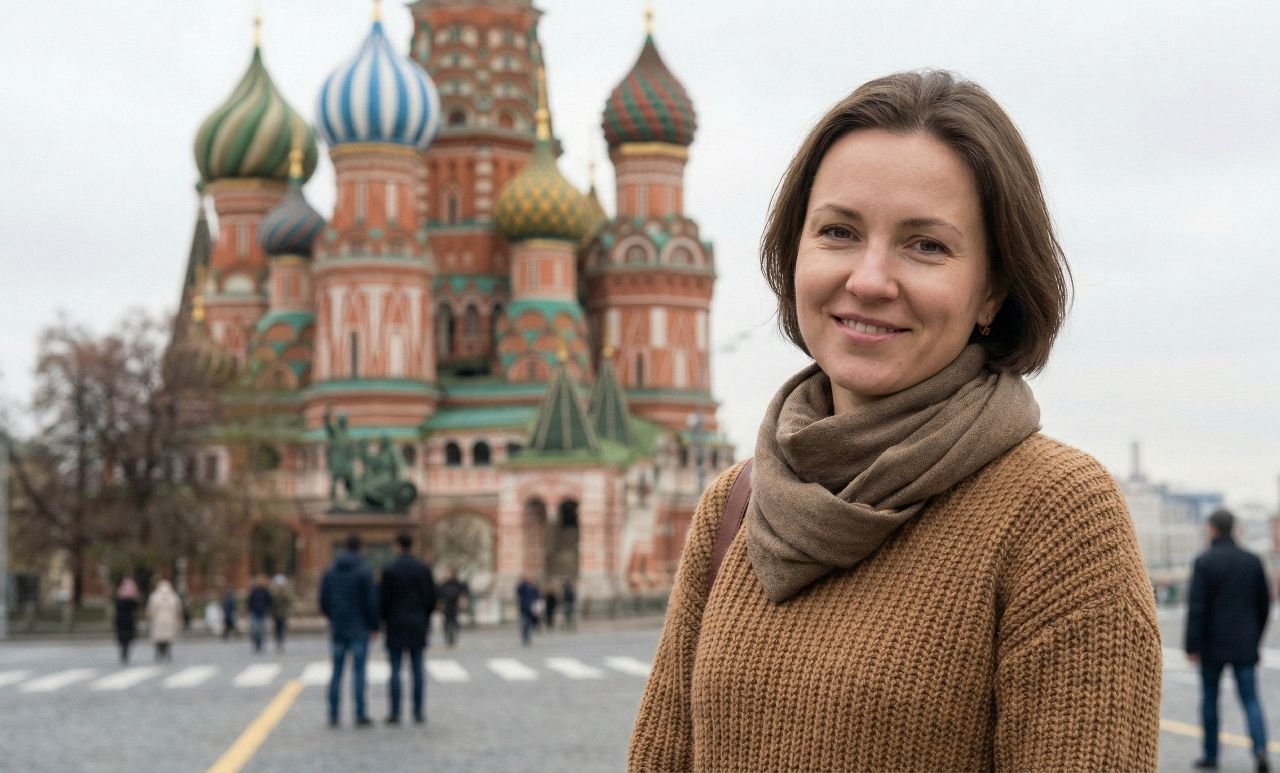
Anastasia is a Moscow-based travel blog writer who brings a local’s insight to one of the world’s most fascinating and misunderstood cities. Born and raised in Moscow, Russia, Anastasia shares an authentic, on-the-ground perspective on what it’s really like to explore the city beyond the postcards.
Her writing focuses on tourism in Moscow, practical guides for first-time visitors, and hidden corners that most travelers miss. In addition, Anastasia writes extensively about expat life in Moscow, covering everyday realities such as housing, transportation, cultural differences, and settling into life in the Russian capital.
As a solo traveler in her own city, she also documents Moscow through the lens of independence and curiosity — from navigating the metro alone at night to discovering cafés, museums, and neighborhoods that feel welcoming for solo visitors. Her work blends local knowledge with honest personal experience, helping travelers and expats alike feel more confident, informed, and inspired when discovering Moscow on their own terms.