
Healthcare is one of the more manageable parts of moving to Moscow, once you understand that most foreign residents route around the public system rather than through it, largely for language and administrative reasons rather than quality.
Insurance as a requirement, not just a precaution
Health insurance is a formal requirement tied to most Russian visas and residency permits, not simply a good idea. See the Travel Insurance for Russia guide for the detail on what Western insurers will and won’t cover; the same sanctions-driven gap that affects short-term visitors applies to longer-term residents, so this needs the same careful checking rather than assuming an existing policy travels with you. For residents rather than short-term visitors, a longer-term local policy is usually more practical than repeatedly renewing short-term visitor coverage.
Where expats actually go for care
Most foreign residents in Moscow use private international clinics rather than the state healthcare system, largely because staff are more likely to speak English and the administrative process is more familiar to someone used to a Western system. These clinics operate much like private healthcare anywhere: you pay directly or through insurance, and appointment availability is generally good. The state system (OMS) exists and residents with the right status can access it, but the language barrier and unfamiliar administrative process make it a harder starting point for most foreigners, even those who stay long-term.
Pharmacies
Pharmacies are widely available across the city and well stocked, but brand names and formulations often differ from what you’re used to at home. If you take a regular prescription medication, bring a supply that covers your trip or move, along with the generic (non-brand) name of the medication, since that translates far more reliably than a Western brand name. Many common medications that require a prescription at home are available over the counter in Russia, though the reverse is also true for some categories, so don’t assume either way without checking.

Dental care
Private dental clinics are widespread and generally well regarded, with many dentists trained to a standard familiar to Western patients and used to treating foreign clients. Routine dental work is often notably cheaper than the equivalent in Western Europe or North America, which is part of why some expats and even some medical tourists specifically seek out Moscow dentists.
Emergencies
112 is the general emergency number in Russia, covering police, fire and ambulance. For anything beyond a genuine emergency, a private clinic with English-speaking staff will almost always be the smoother option for a foreign resident, and it’s worth identifying one near where you’ll be living before you need it rather than searching in the moment.
Frequently Asked Questions
Do expats in Moscow use the public healthcare system?
Rarely as a first choice. Most use private international clinics for language and administrative reasons, even though the public system exists.
Can I bring my regular prescription medication into Russia?
Generally yes, in reasonable personal-use quantities. Bring it in original packaging along with the generic name, since brand names differ.
What’s the emergency number in Moscow?
112, covering police, fire and ambulance, though a private clinic is usually the better first call for anything short of a genuine emergency.
Written by Anastasia Ivanova, Moscow native and author at allaboutmoscow.com. Last updated April 2026.
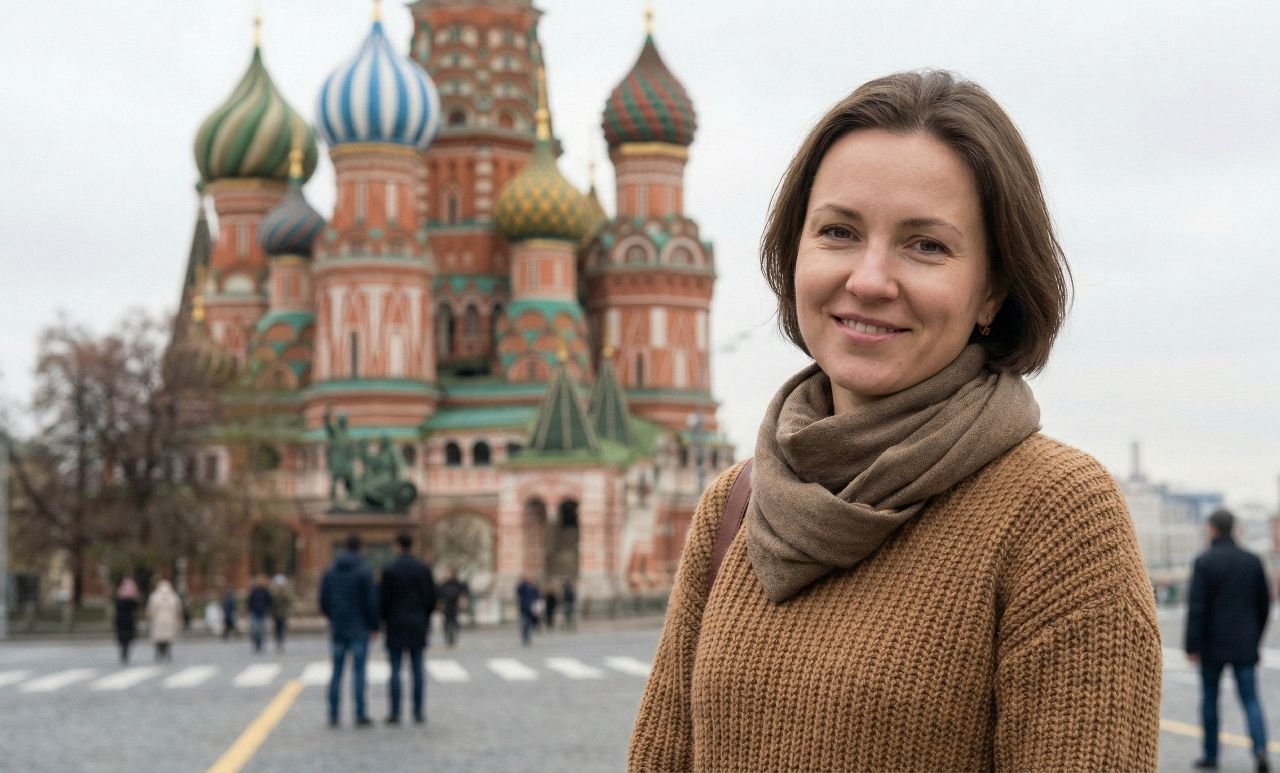
Anastasia is a Moscow-based travel blog writer who brings a local’s insight to one of the world’s most fascinating and misunderstood cities. Born and raised in Moscow, Russia, Anastasia shares an authentic, on-the-ground perspective on what it’s really like to explore the city beyond the postcards.
Her writing focuses on tourism in Moscow, practical guides for first-time visitors, and hidden corners that most travelers miss. In addition, Anastasia writes extensively about expat life in Moscow, covering everyday realities such as housing, transportation, cultural differences, and settling into life in the Russian capital.
As a solo traveler in her own city, she also documents Moscow through the lens of independence and curiosity — from navigating the metro alone at night to discovering cafés, museums, and neighborhoods that feel welcoming for solo visitors. Her work blends local knowledge with honest personal experience, helping travelers and expats alike feel more confident, informed, and inspired when discovering Moscow on their own terms.