

Many people ask if Moscow works for a digital nomad; I say yes, but with caveats: excellent internet, plentiful coworking spaces, and vibrant client networks make it easy for your workflow, while visa and registration rules and occasional political or safety concerns can be limiting – I check local threads like Working as a freelancer in Russia – Russia forum for practical tips so you can plan and stay productive.

Types of Freelancing Opportunities in Moscow
Demand in Moscow skews heavily toward IT & software, design, content and translation work; I consistently see market pull for React/Node developers, UX/UI designers, copywriters and English→Russian translators. Rates vary: I typically encounter mid-level web developers asking between $30-$80/hr, designers at $20-$60/hr, and translators paid around $0.04-$0.12/word, though long-term retainers and agency contracts push those numbers higher.
- IT & Software Development – backend, frontend, mobile, DevOps
- Design & Product – UX, UI, branding, motion
- Content & Translation – copywriting, localization, technical docs
- Marketing & SEO – SMM, PPC, performance marketing
- Consulting & Finance – legal, accounting, business strategy
| IT & Software | Clients: startups, fintechs, agencies; typical project: MVPs or integrations; budgets from $2k-$50k |
| Design | Clients: apps, e‑commerce; single projects or retainers; turnaround 2-8 weeks |
| Content & Translation | Clients: marketing teams, publishers; per‑word or per‑project pay; steady volume for bilingual freelancers |
| Marketing & SEO | Clients: SMBs and digital agencies; metric-driven work (CPA, ROI); monthly retainers common |
| Consulting & Finance | Clients: local businesses and foreign entities; hourly advisory and compliance projects; formal contracts demanded |
The variety lets you target quick gigs through task platforms or aim for higher-value, long-term contracts depending on your skill set and how you want to structure taxes and invoicing.
Remote Work Platforms
I use global sites like Upwork, Fiverr and niche portals (Toptal for vetted devs, Dribbble/Behance for designers) to find international clients; Upwork’s fee scale (20% for first $500, 10% up to $10k, 5% beyond) and Fiverr’s 20% commission materially affect net rates, so I price accordingly. Payment rails matter: I recommend having Payoneer, Wise and a EUR/USD bank route ready because some clients prefer direct transfers while others pay via platform wallets.

Scams and delayed payments are real risks on open marketplaces, so I always check client history and milestones, and I use escrow where available; verified clients, repeated contracts and platform dispute protection increase my confidence before I start higher‑value work.
Local Freelancing Networks
I tap into Russian platforms like FL.ru, Kwork, YouDo and Telegram job channels for fast, local gigs-these often pay in RUB and attract SMBs that need quick turnarounds. Coworking hubs in Moscow (WeWork, Flacon, Digital October) and meetup communities produce leads: I’ve won multi‑month projects after pitching at two small events and following up with contacts on Telegram.
When I work locally, I pay attention to invoicing norms and contracts: many clients will ask for an invoice from an individual entrepreneur (ИП) or prefer contractors registered under the налог на профессиональный доход (self‑employment tax) regime, which offers a 4-6% tax rate depending on client type.
I also track several Telegram channels that post 20-50 micro‑gigs daily and maintain relationships with 3-4 local agency partners who send overflow work; building this network helped me smooth cash flow and find steadier retainer contracts. The
Tips for Succeeding as a Freelance Digital Nomad in Moscow
I focus on dependable routines: pick 2-3 reliable coworking spots, test cafés for a week before relying on them, and keep a backup SIM with a local data plan. Moscow has over 200 coworking spaces, so I scout ones near my metro lines and check weekday noise levels-this saves hours lost to unreliable Wi‑Fi and transit. I also build a simple administrative checklist (tax filings, invoicing, VPN, local banking access) that I review monthly to avoid surprises with visa regulations and payment delays.
When I set targets I break them into weekly actions: two outreach emails, one portfolio update, and three hours of upskilling. That structure helped me convert cold contacts into paying projects: I averaged one new client every six weeks during my first year. Below are specific, repeatable actions I use to keep momentum and manage the particular risks and advantages of freelancing as a digital nomad in Moscow:
- Keep three active case studies on your site-show metrics like conversion rates or time saved.
- Use local payment rails plus an international option (Wise or TransferWise) to avoid banking hiccups.
- Book coworking passes monthly to lock rates and a stable workspace.
- Join at least two Telegram groups and one Meetup for your niche; Moscow activity is high on weekdays.
- Schedule client calls in the morning to avoid late-evening disruptions from the 2-3 hour time differences across Europe.
Building a Strong Portfolio
I prioritize three polished case studies rather than a long list of small projects: each case study shows the problem, my process, and measurable outcomes-like a 30% increase in signups or a 40% reduction in onboarding time. When I write these I include screenshots, a brief timeline, and client quotes; prospective clients in tech and marketing respond best to clear ROI numbers and before/after metrics.
One tactic that helped me win higher-value gigs was converting a pro bono project into a full case study and then emailing it to ten carefully selected prospects; two became long-term clients within three months. If you can, include a downloadable one-page summary and an option to view the full project-this lowers the barrier for clients who skim portfolios on mobile.
Networking in the Local Community
I treat networking as weekly work: I attend one industry event, message three new contacts on Telegram, and follow up with a meaningful resource or insight within 48 hours. In Moscow, events at hubs like Skolkovo or smaller meetups in Tagansky and Presnensky districts often attract startups and agencies looking for freelancers; showing up consistently made me a referral target within two months.
Another effective move is offering short, free workshops (30-45 minutes) at a coworking space-those sessions positioned me as an expert and led to two project briefs from attendees. I track each interaction in a simple CRM and assign a follow-up date; that discipline turned cold introductions into paid work more reliably than hoping for organic messages.
I also lean on local communities by contributing to Telegram channels and answering questions in Russian and English; I typically convert about 20% of warm leads into paid gigs. This habit alone has delivered three repeat clients in six months.
Step-by-Step Guide to Starting Your Freelance Journey
I map my first 30 days around three priorities: establish legal footing, secure reliable connectivity, and line up income sources. I often start by checking visa/stay limits and local registration rules, then book a coworking drop-in for the first week so I have a fixed address and high-speed internet while I sort local SIM and payment options. For workspace options and practical tips I rely on curated lists like Nomadic Life in Russia: Coworking & Workspaces, which helped me find spaces with 100+ Mbps and private meeting rooms.
I break setup into repeatable tasks: open a local bank-friendly payment method (or set up a multi-currency account), register a business or freelance status if you plan to stay >183 days, and create a 2-week outreach plan to land your first clients. When I arrived in Moscow, completing registration within the first week and sending three tailored proposals per day landed me my first paid project in 10 days; that timeline is realistic if you prioritize outreach and a professional online presence.
Quick checklist
| Step | Action I take |
|---|---|
| Legal / visa | Confirm allowable work/registration period; track days toward 183-day tax residency. |
| Workspace | Book coworking for 1-2 weeks, test speeds (aim for 100+ Mbps), get local SIM with data plan. |
| Payments | Set up an international-friendly account (Wise/Payoneer) and keep invoices in English and Russian if needed. |
| Client outreach | Send 10 targeted pitches per week, maintain a portfolio, and follow up after 3-5 business days. |
| Contracts | Use simple written agreements that specify deliverables, milestones, and payment currency. |
Setting Up Your Workspace
I prioritize a predictable, distraction-free environment because my billable hours matter more than aesthetic. I usually book a day pass at a centrally located coworking with meeting rooms and reliable backup power; in Moscow that often means facilities near metro lines where I can reach clients or printers within 15-20 minutes. For equipment I bring a laptop, portable monitor, noise-cancelling headphones, and a compact UPS or power bank if I plan to work extended hours-small investments that save time when outages happen.
For connectivity I test both wired and Wi‑Fi speeds on arrival and keep a mobile hotspot as backup; many coworkings advertise 1 Gbps but practical sustained speeds are often 50-300 Mbps depending on load. I label critical items (hard drive, chargers) and keep templates for invoices and proposals in a cloud folder so I can start billing within 24 hours of landing in a new place. If I expect client calls across time zones, I book quiet meeting rooms by the hour to avoid interruptions and project a professional image.
Finding Clients and Projects
I divide prospecting into three channels: existing networks, platforms, and local outreach. On platforms I aim for 2-3 high-quality proposals per day rather than mass applying-this raised my win rate from under 5% to about 20% on niche marketplaces. When tapping networks I message past clients and colleagues with a specific one-line value proposition and a recent case study (e.g., “I cut acquisition costs by 30% for a SaaS in three months”), which often converts faster than cold bids.
Local outreach has paid off: I attend two meetups or industry events per month and target agencies that subcontract work. In Moscow, agencies sometimes prefer contractors who can meet in person; meeting once in a week boosted my conversion from introduction to paid trial by almost half. I always ask for a small paid trial (1-2 days) to reduce friction and prove value quickly.
As an extra step, I track all leads in a simple CRM sheet, note follow-up timelines, and prioritize clients who pay via secure methods; I treat non-payment risk as the most dangerous operational issue and avoid long work without a signed agreement or upfront milestone payment.
Key Factors to Consider When Freelancing from Moscow
I weigh practical issues like taxation (tax residents pay a flat 13% rate, with a 15% bracket above 5 million RUB on higher incomes), visa status (Russia currently has no dedicated digital nomad visa), banking access tied to residency, and local infrastructure – Moscow is served by abundant coworking spaces and reliable public transit, while the country spans 11 time zones which affects scheduling. I track internet reliability and speed in my neighborhood, confirm that clients accept rubles or international transfers, and prepare for official forms and service providers that operate primarily in Russian.
- digital nomad
- freelance
- Moscow
- taxation
- time zone
- language
I prioritize setting up a local accountant and a backup payment route before taking long-term contracts, and I test coworking plans (many cost between 8,000-20,000 RUB/month depending on location). Knowing the practical realities and community experience helps – see Is it possible to be a digital nomad in Russia?
Time Zone Challenges
Moscow runs on UTC+3 year‑round, so coordination with European clients is usually easy (1-3 hour differences), but US clients mean large gaps: New York is typically 7-8 hours behind, Los Angeles 10-11 hours behind depending on DST. I schedule regular “core hours” windows for synchronous calls-usually late morning Moscow for Europe and early evening for west‑coast US-and reserve asynchronous work for the rest.
I use concrete tactics: block two daily windows for overlap (09:00-11:00 and 18:00-20:00 MSK), publish them in my proposals, and automate bookings with tools that show local times. Avoiding chronic late‑night calls is important because repeated evening meetings led me and several colleagues to burnout in past projects, so I set strict limits and offer recorded updates when live attendance isn’t feasible.
Language and Communication
I find English is common in tech hubs, startups, and coworking events-about one in three professionals I meet have strong English skills-so recruiting local collaborators or attending meetups usually works in English. At the same time, formal bureaucracy, bank paperwork, and many contracts are in Russian, and you’ll often need translations or a local consultant to avoid delays.
I hire a bilingual accountant for taxes and a part‑time translator for visas and contracts; that combination saved me weeks of back‑and‑forth during registration and invoicing. If you skip professional translation, there’s a real risk of misfiling or fines, so I mark that as a high‑risk area and budget for it.
For practical improvement I use short, task‑focused Russian courses and phrasebooks tied to business contexts, and I rely on native speakers in coworking spaces to proof important messages. Using simple Russian salutations in emails or a quick translated summary alongside your English proposals often improves trust with local vendors and clients, which I’ve seen convert into faster responses and repeat work.
Pros and Cons of Freelancing from Moscow
| Pros | Cons |
|---|---|
| Fast, widely available internet: central areas often see 100+ Mbps and multiple ISPs. | International payment friction: SWIFT/PayPal/Russian bank restrictions can interrupt inflows. |
| Large local market & networking: millions of businesses, frequent meetups, many coworkings. | Lower local rates: many domestic clients pay in rubles at rates below US/EU benchmarks. |
| Tax-friendly option for freelancers: self-employed (НПД) at 4% (individuals) / 6% (legal entities). | Tax bureaucracy if you scale: registering as ИП and VAT obligations add paperwork and costs. |
| Good transport & services: extensive Metro (UTC+3), reliable deliveries, many international flights. | Traffic and long commutes from suburbs; central rents are notably higher than other Russian cities. |
| Abundant coworking options: day passes and monthly plans across the city. | Coworkings can be crowded and noisy during peak times; private office costs rise quickly. |
| Rich cultural scene and client diversity: tech hubs, creative agencies, startups. | Language barrier: many contracts, events, and admin procedures are in Russian. |
| Access to local talent and contractors for scaling projects. | Regulatory and compliance risk: shifting rules or sanctions can affect business operations. |
| Lower everyday costs compared with NYC/London for comparable lifestyle if you choose suburbs. | Banking and card acceptance for foreigners can be restrictive; opening foreign business accounts may be necessary. |
Advantages of Doing Business
I find Moscow offers a lot of practical advantages for freelancing: reliable high-speed internet in central neighborhoods, a dense network of coworking spaces (day passes often range around 500-1,500 RUB), and frequent industry meetups where you can land local clients quickly. I also value the transport: the Metro is extensive and punctual, which makes meeting in-person with clients or collaborators easy even across the city.
From a fiscal perspective, I can use the self-employed regime (НПД) and pay 4% on payments from individuals and 6% on payments from legal entities, which is straightforward if you mostly work solo. At the same time, you can tap international clients and invoice abroad – many freelancers I know balance Russian and foreign contracts to lift effective hourly rates into Western ranges.
Potential Drawbacks to Keep in Mind
I’ve seen the biggest practical drawback be payment and banking uncertainty: since 2022 some payment rails and platforms became less reliable for sending/receiving money to and from Russia, and there are real cases of accounts being frozen or transfers delayed. That can hit cash flow suddenly, so I treat payment setup as a primary risk to manage.
Beyond payments, you’ll face lower average local rates compared with Western clients, routine bureaucracy if you register as an ИП, and a language barrier that complicates contracts, invoices, and healthcare or legal interactions. I’ve had to translate many documents and sometimes hire a local accountant to avoid costly mistakes.
To expand on these risks: I usually maintain multiple payment rails (a foreign account or fintech like Wise, a Russian account, and sometimes a backup crypto option) and keep a three-month reserve to cover interruptions. Many freelancers I know invoice foreign clients in USD/EUR to reduce ruble exposure, and they hire an accountant familiar with НПД and ИП filings to keep compliance clean while minimizing surprises. Plan for payment disruption and paperwork overhead and you’ll reduce the most dangerous day-to-day risks.
Resources for Digital Nomads in Moscow
Online Communities and Forums
I follow several Telegram channels and VK groups where gigs, flatshares, and local meetups appear almost hourly; channels focused on Moscow remote work typically range from around 1,000 to 30,000 members, so you can get immediate leads and urgent short-term gigs. Isearch for keywords like “фриланс Москва” or “remote Москва” on Telegram, check VK groups named along the lines of “Фриланс в Москве,” and monitor Meetup and Internations for monthly events-these are where people post client requests, sublets, and co-working pop-ups. Be cautious of listings that ask for payment before you start, and verify new clients by asking for references or a simple test task before committing.
When I attend community meetups, turnout usually runs from 20 up to 200 people depending on the topic, and you’ll see a mix of English- and Russian-speaking threads; I recommend joining both language streams since some higher-paying tech gigs are posted only in Russian. You can often find practical threads with step-by-step advice-housing shares, tax tips, and referrals-and I’ve seen freelancers land contracts paying several hundred to a few thousand dollars through these channels.
Useful Tools and Software
I rely on a small stack that keeps work moving: Telegram and Zoom for client calls, Slack for team work, Notion for projects, and GitHub or Figma depending on the role. For payments and banking I use Wise and Payoneer for most international invoices, and local banks like Tinkoff for RUB operations; for declaring self-employment income I use the official «Мой налог» app (rates are 4% for B2B clients and 6% for private clients), which lets you report earnings and pay tax directly from your phone. I keep a VPN (I alternate between ExpressVPN and NordVPN) because some international tools and bank dashboards are easier to access reliably that way; Stripe and some Western services can be limited while you’re in Russia, so plan fallbacks.
In practice I generate invoices as PDFs (using FreeAgent or the Russian service «Моё дело» when I need local-format documents), store receipts in Google Drive, and translate short proposals with DeepL when I need crisp English – DeepL handles Russian↔English far better than generic translators in my experience. I also make a point to keep backups of contracts in two places and to ask clients to sign via DocuSign or its local equivalents to avoid disputes later.
To wrap up
Considering all points, I find freelancing from Moscow quite feasible: the city offers reliable internet, affordable living, plenty of coworking spaces, and a skilled local network. If you set up international payment methods, handle taxes and registration properly, and use a VPN when needed, you can keep clients across time zones without too much hassle, and I recommend learning some Russian to make everyday errands and networking easier.
I will say there are hurdles – banking and payment restrictions, visa or residency limits, and occasional policy-driven connectivity issues – but none are insurmountable if you plan ahead. If you prepare for legal and payment logistics and align your schedule with clients, your freelancing life in Moscow can be comfortable, productive, and rewarding.
FAQ
Q: Is it legal to freelance from Moscow as a digital nomad?
A: Freelancing from Moscow is possible, but legality depends on your visa status and local rules. Many visitors work remotely while in Russia, yet immigration or tax authorities may consider prolonged remote work as employment that requires a proper visa or registration. If you stay more than the tax-residency threshold (commonly 183 days), you may become a Russian tax resident and owe taxes on worldwide income. Options include short stays on tourist visas, applying for a visa permitting long-term residence or work, or registering locally as a self-employed person or business if eligible. Check the conditions of your entry visa, confirm tax-residency rules, and consult an immigration or tax professional before committing to long-term freelancing from Moscow.
Q: How can I get paid and manage banking while freelancing from Moscow?
A: Accept multiple payment methods to reduce risk: international bank transfers, payment processors (where available), Payoneer, Wise, and stable client-side options like direct USD/EUR transfers. Sanctions and service restrictions can affect some platforms, so maintain backup channels (alternative e-wallets, foreign accounts, or invoice clients to company accounts outside Russia). For taxes, determine whether you must register as an individual entrepreneur or self-employed and file local tax returns if you meet residency or income rules. Keep clear invoices, contracts, and transaction records. Use an accountant familiar with cross-border freelancing to optimize tax compliance and avoid penalties.
Q: What practical issues should I plan for to work effectively from Moscow?
A: Plan for reliable internet and power: book accommodations with proven high-speed connections, keep a local SIM with a data plan, and have a mobile backup (USB modem or hotspot). Expect good coworking and café options but verify noise and seating policies. Account for time-zone differences with clients and schedule overlap windows. Be aware of website blocking and local network filtering-use secure, legal workarounds and keep communications encrypted. Protect devices with VPNs, up-to-date software, and strong 2FA; secure backups in multiple locations. Finally, budget for local costs (housing, transit), learn basic Russian phrases for everyday tasks, and maintain travel and health insurance that covers remote work situations.
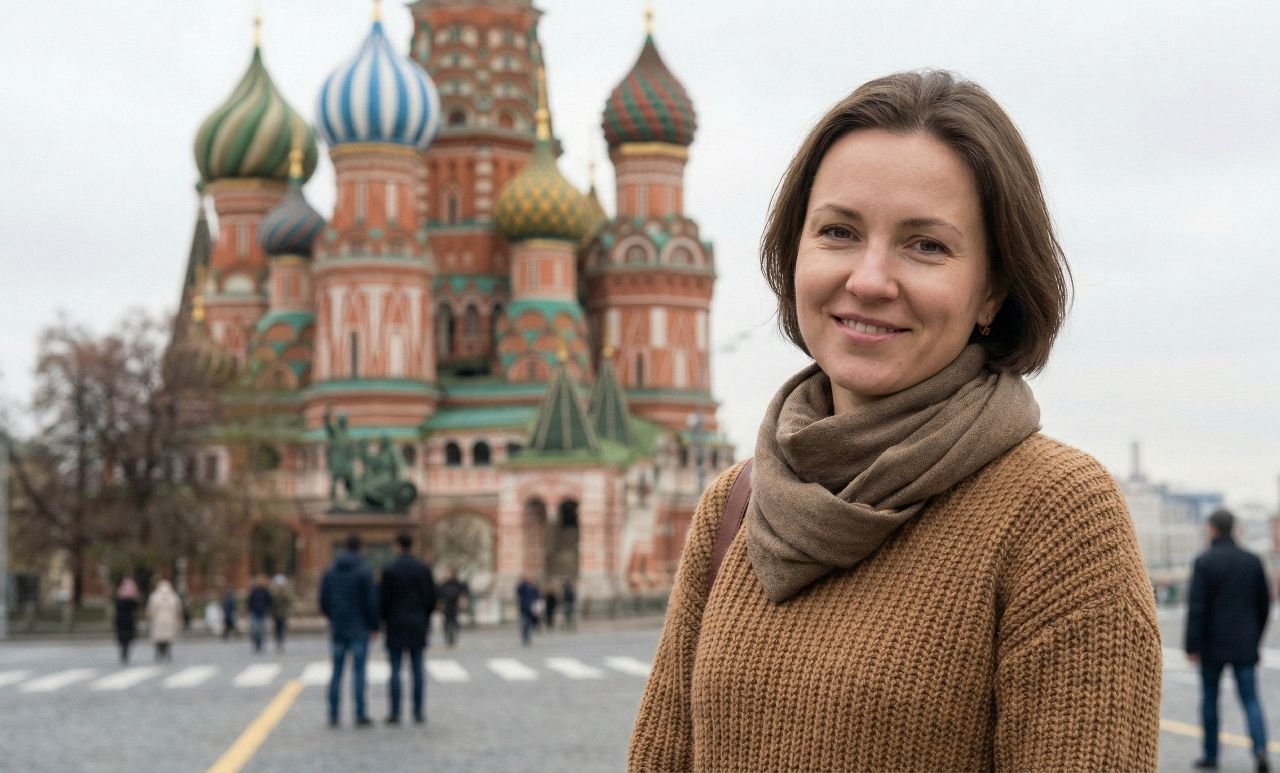
Anastasia is a Moscow-based travel blog writer who brings a local’s insight to one of the world’s most fascinating and misunderstood cities. Born and raised in Moscow, Russia, Anastasia shares an authentic, on-the-ground perspective on what it’s really like to explore the city beyond the postcards.
Her writing focuses on tourism in Moscow, practical guides for first-time visitors, and hidden corners that most travelers miss. In addition, Anastasia writes extensively about expat life in Moscow, covering everyday realities such as housing, transportation, cultural differences, and settling into life in the Russian capital.
As a solo traveler in her own city, she also documents Moscow through the lens of independence and curiosity — from navigating the metro alone at night to discovering cafés, museums, and neighborhoods that feel welcoming for solo visitors. Her work blends local knowledge with honest personal experience, helping travelers and expats alike feel more confident, informed, and inspired when discovering Moscow on their own terms.