

There’s plenty I cover to help you extend your stay in Moscow as a remote worker: I explain how to apply early for visa extensions, keep your migration registration current, and avoid pitfalls; overstaying risks fines or deportation, so I show safe steps and positive options like temporary visas and local support. For practical links I use Remote Work from Russia: Guide for Digital Workers & … to round out your plan.
Types of Visas for Remote Work
| Work visa | Employer-sponsored; requires a work permit then visa application; typical validity ranges from several months to up to 3 years for Highly Qualified Specialists. |
| Business visa | Usually issued for business travel and meetings; multiple-entry options can be valid up to 1 year; not a substitute for employment rights. |
| Tourist visa | Short stays only – commonly up to 30 days per visit (varies by invitation); simple to obtain but prohibits working for a local employer. |
| Temporary residence (TRP) | Longer-term option for settlement; permits extended stays (often 3 years) and is a pathway to permanent residence, but processing is lengthy and selective. |
| Permanent residence | Grants long-term rights to live and work; requires meeting strict eligibility (time in country, family ties, or special programs); best for planned long-term relocation. |
- Registration is required within days of arrival for most visas – it affects visa validity.
- Overstay penalties can include fines and entry bans; I pay close attention to exit dates.
- Processing times vary: tourist visas can take 3-10 days, work visas often take weeks to months.
Work Visa Options
If you plan to legally earn income in Russia I advise pursuing a work visa tied to an employer, since self-declared remote work for a foreign company sits in a legal gray area. I’ve seen employers obtain the federal or regional work permit first (which can be quota-based), then the consulate issues the visa; for Highly Qualified Specialists the process is faster and visas often last up to 3 years.
For contractors or freelancers without a Russian employer, I typically explore alternatives like contracting through a local firm or applying for a residence route; both add paperwork but reduce legal risk. Processing fees, medical checks, and an invitation/sponsorship are common requirements, and I budget at least 6-8 weeks when a permit is needed.
Tourist and Business Visas
Tourist visas are the easiest to get and useful for short-term stays, but they explicitly forbid local employment – I use them only when I intend to stay under the allowed days (often around 30-90 days depending on the visa). Business visas let you attend meetings, sign contracts, and network; many clients use a multiple-entry business visa (valid up to 1 year) to hop in and out while working remotely for a non-Russian employer.

When I compare the two, the main trade-off is duration versus work rights: the business visa offers more flexibility for professional activities but still doesn’t replace a work permit if you take on local employment. For stays under three months, I typically choose the tourist route and keep travel records to avoid overstay risks.
I also monitor embassy guidance closely because policies and allowed stay lengths change; if you plan repeated visits, applying for a multiple-entry business visa and maintaining accurate travel and accommodation records reduces administrative friction. After I run through processing times and your intended schedule, I usually recommend starting applications at least 6-8 weeks before travel.
Factors to Consider for an Extended Stay
I weigh practical and legal elements together: visa type and its length, registration rules, whether I become a tax resident after 183 days, and if a work permit is needed for how I’m employed. I also check logistics like accommodation costs (central one‑bed flats in Moscow often range roughly 80,000-150,000 RUB/month, outskirts 35,000-60,000 RUB/month), the availability and price of private health insurance, and seasonal challenges such as winter lows that can drop below −20°C on rare occasions.
- Visa validity and conditions (tourist 30-90 days, business up to 1 year multi‑entry)
- Registration within 7 working days of arrival
- Tax residency threshold: 183 days
- Work permit necessity vs. remote work for foreign employer
- Accommodation type, deposit and contract length
- Healthcare access and insurance costs
- Language skills and local support network
Knowing how these factors interact lets me decide whether to switch visa types, budget for deposits and insurance, or seek local legal advice.
Legal Requirements
I track visa rules closely: most tourist visas are limited to 30-90 days, while a business visa can be issued for up to a year with multiple entries, which I’ve used when I needed flexibility. Registration is mandatory – you or your host must register your presence with immigration authorities within 7 working days of arrival – and failing to do so can lead to administrative penalties, deportation, or entry bans.
Tax residency is a hard threshold: if you stay in Russia for more than 183 days in a 12‑month period you may be treated as a tax resident and liable on worldwide income at resident rates; I always model scenarios so I know when that threshold will be crossed. For employment, a formal work permit is required if you take a job with a Russian employer, whereas fully remote work for a foreign company is often tolerated but legally gray – I consult an immigration lawyer when in doubt and keep documentation of where my income originates.
Personal Circumstances
I balance professional needs with personal realities: if I’m traveling solo I prioritize co‑living or short‑term rentals, but with family I look for longer leases near international schools and medical facilities. Budgeting matters – beyond rent, utilities, metro cards and groceries can add roughly 40,000-70,000 RUB/month depending on lifestyle – and I factor in one or two months’ rent as a deposit plus a buffer for visa or medical paperwork.
Health and safety affect choices too; I buy comprehensive private medical insurance that covers evacuation and chronic conditions, since public healthcare access requires local registration and Russian is the primary language in most clinics. If you rely on winter sports or outdoor commuting, account for gear and seasonal expenses, and note that central Moscow is generally safe but petty theft can occur around crowded transport hubs.
In one extended stay I switched from a tourist to a business visa after six weeks, registered immediately with my landlord, opened a local bank account to simplify payments, and set aside about 200,000 RUB as an emergency buffer – that planning let me handle an unexpected visa extension and a short hospital visit without stress.
Tips for a Smooth Transition to Extended Stay
I focus on a few practical moves that make the first month painless: secure accommodations with a clear contract, get local SIM and banking set up within the first week, and buy a health insurance plan that covers at least 90 days. In my experience you should budget for a security deposit (usually one month) and expect short-term listings to be 2-3× the monthly rate of a longer lease; negotiating a 6-12 month term can easily shave off 10% or more. The fastest commutes in Moscow come from choosing a place near a Metro line-services run roughly every 2-5 minutes at peak times-so weigh rent savings against an extra 30-45 minutes on transit.
- remote worker: set up a coworking membership or stable home workspace within 48 hours
- extended stay: ask for a written multi-month discount and utilities breakdown
- visa / registration: collect landlord-supplied documents for migration registration immediately
- keep scanned copies of passport, migration card, lease and insurance in cloud storage
Perceiving local rhythms-market days, quieter neighborhoods after 10 p.m., and how landlords handle paperwork-lets you adapt quickly and avoid last-minute hassles.
Finding Accommodations
I target neighborhoods by the balance of commute and lifestyle: Arbat, Patriarch Ponds and Tverskaya for shorter commutes and more cafes; Zamoskvorechye or Severnoye Medvedkovo when I want lower rent and calmer streets. When I negotiate, I ask for a clause that the landlord will handle registration at no extra charge and I insist on a signed lease in both Russian and English. A practical rule I use is to compare three apartments: one centrally located at market rate, one slightly outside with a longer commute but cheaper rent, and one furnished short-term; that helps me see the true monthly cost once utilities and internet are added.
I always verify Wi‑Fi speed (I look for at least 100 Mbps for stable video calls) and check building access-many older buildings have secure entry systems that make evenings safer. If you book via an agent, expect a service fee equal to one month’s rent; if you deal directly with owners through reputable platforms, you can often avoid that fee but should request proof of ownership and a formal contract.
Navigating Local Laws
I prioritize completing migration formalities within the legal window: for most visa types you need registration with migration authorities within seven business days of arrival. When I worked with a relocation service they handled registration and the notification process, which saved time and avoided the risk of fines or complications with immigration officials. For stays that move from tourist to work status you’ll need the appropriate visa and employer paperwork-applying for a work permit can take several weeks, so start the process as soon as your employer confirms sponsorship.
I’ve seen colleagues penalized after overlooking the local rule that hotels register guests automatically but private rentals often require owner-initiated notification; if your landlord refuses to register you, escalate to a migration office or hire a migration specialist. For short extensions I often file paperwork through a migration center service (fees vary, typically a few thousand rubles) rather than risk an accidental overstay.
More detailed steps: bring your passport with the migration card, the signed lease, and a written invitation or employer letter when you go to register; hotels and certified landlords can submit the registration electronically, while private leases sometimes require an in-person visit-if you need help I recommend using a licensed migration consultant to avoid legal missteps.
Step-by-Step Guide to Extending Your Stay
| Step | Action & Notes |
| Check your status | Identify your visa type and expiry date; I check this at least 30-60 days before expiry to leave time for paperwork. |
| Book appointment | Use the regional migration portal or call the local migration office to reserve a slot; walk-ins are sometimes possible but queues are long. |
| Gather documents | Collect passport, current visa, migration card, registration, employer letter or contract, photos, insurance and bank statements-see details below. |
| Submit application & pay fee | File the form in person or via a certified agent; I paid the state fee and kept the receipt as proof. |
| Wait for decision | Processing typically ranges from 10-30 business days; check your receipt for contact points and tracking. |
| Collect passport | Return to the office to pick up your passport with the extended stamp/visa or get it couriered if that option exists. |
Application Process
I make an appointment online where possible and arrive with all originals and copies; the clerk checks the packet and issues a stamped receipt that starts the processing clock. In my case I submitted everything 45 days before my visa expiry, paid the fee, and received a decision in 12 business days.
If you’re filing through an agent, I verify their power of attorney and photocopy the agent’s ID; if you file yourself, expect a short interview and the possibility of being asked for extra documents on the spot. Keep the receipt safe because it’s your proof if anything goes wrong, and overstay penalties can include fines or deportation if you miss deadlines.
Gathering Necessary Documents
I always prepare the standard set: passport (with at least a few months of validity beyond the requested extension), current visa page, migration card, proof of registration at your address, an employment letter or contract showing remote work arrangements, recent bank statements (I include three months), and valid health insurance. Two passport-size photos (35×45 mm) and a completed application form are typically required; I bring both originals and at least two sets of copies.
When documents are not in Russian, I provide certified translations and notarized copies; for longer permits you may be asked for a criminal-record extract or medical certificate depending on the category. I also include a short cover letter summarizing why I’m requesting the extension and attach receipts for any paid fees to avoid delays.
For remote workers specifically, I include an employer confirmation letter detailing my role, salary, and that I work remotely from Moscow, or if I’m freelancing I attach recent contracts and invoices to prove consistent income-this helped my application move faster when the officer wanted proof of stable support. I paid about 4,000 RUB in fees during my last renewal and found that presenting three months of bank statements plus an employer letter eliminated most follow-up requests.
Pros and Cons of Extending Your Stay
| Pros | Cons |
|---|---|
| More time to work and explore: tourist visas commonly allow 30-90 days, so an extension gives real breathing room for projects and travel. | Extra paperwork: extending often requires invitations, proof of funds or employer letters and additional registration. |
| Stronger local networks: I met clients and co‑workers at co‑working hubs and meetups. | Higher living costs if you switch to longer‑term rentals – deposits and utilities add up. |
| Access to services: opening a Russian bank account or local SIM becomes easier when you’re not on a tight exit schedule. | Language barriers slow down bureaucratic steps; many forms and offices operate primarily in Russian. |
| Better work rhythm: I found stable routines and saved on frequent travel fares compared with border runs. | Health coverage gaps: you must extend or buy international health insurance to avoid large out‑of‑pocket costs. |
| Chance to time visits with events (e.g., Victory Day, City Day) and cultural learning. | Tax residency risk if you stay over 183 days in a calendar year – implications for your home taxes. |
| Potential employer arrangements: some companies will sponsor a business visa or provide invitations for longer stays. | Immigration rule changes: policy shifts can happen quickly and affect processing times and requirements. |
| Flexibility for in‑person meetings and local research that boosts productivity. | Overstaying carries penalties – fines, deportation, and possible entry bans if you don’t extend properly. |
Advantages
I was able to convert short trips into a productive three‑month stint by planning an extension around project deadlines; that extra time let me attend four client meetings in person and join two co‑working memberships. In practical terms, extending from a standard 30‑day visit to a full 90‑day period made it easier to negotiate longer rental terms (often a single‑month deposit instead of several short stays) and to amortize costs like a SIM card, gym membership, or a co‑working seat-many Moscow spaces list monthly hot‑desk prices in the range of about 8,000-25,000 RUB, which becomes worthwhile when you stay longer.
I also found that being on the ground helped with networking: attending one industry meetup led to a contract worth more than my extra accommodation costs. If your employer can issue an invitation or support a business visa switch, you can often speed up processing and get access to services (bank account, local contracts) that make extended remote work smoother.
Potential Challenges
Bureaucracy is the main hurdle I faced: applications often require specific documents, local registration, and sometimes a notarized invitation, which can take 10-30 business days to process depending on where you apply. You should expect to handle translations, pay fees, and possibly hire a migration consultant; when I delayed gathering a single required letter, my processing slot slipped by two weeks and bumped up accommodation costs.
Another major challenge is legal exposure: if you overstay or miss registration deadlines, you risk fines and deportation, and your future travel plans to Russia could be impacted. I made a point of tracking my days so I didn’t cross the 183‑day tax residency threshold and kept copies of all communications with local authorities to show intent and compliance.
To mitigate these issues, I advise planning at least a month ahead: gather invitations, health insurance that covers the full extended period, and a local contact who can help register your address. Using a reputable migration service for document checks and having an emergency fund for unexpected fees (I kept an extra 30,000-50,000 RUB as a buffer) made the extension process far less stressful in practice.
Resources for Remote Workers in Moscow
Online Communities
I use Telegram channels and Facebook groups as my first stop-there are channels with thousands to tens of thousands of members where people post everything from short-term apartment sublets to last-minute visa tips; threads often include step‑by‑step accounts of how others handled short extensions or border runs. I follow a mix of local-language and English groups, and I regularly check discussions like Tips on extending my legal stay in Russia. : r/AskARussian for real-world examples and links to official forms and lawyers recommended by expats.
I also monitor dedicated Slack and Discord communities for remote workers and developers where members share up‑to‑date info on migration office wait times, embassy appointment slots, and affordable coworking day passes. When someone posts a verified courier service, consulate phone line updates, or a trusted immigration lawyer, I save those messages-those practical leads often save me hours and rubles compared with searching cold.
Networking Opportunities
I prioritize coworking spaces and meetups because they connect me directly with people who’ve navigated stay extensions and local bureaucracy; day passes typically range from about 500-2,000 RUB and monthly memberships from roughly 10,000-30,000 RUB, depending on location and amenities. Major international chains and local hubs host weekly tech meetups, pitch nights, and workshops where 50-300 attendees share referrals for accountants, migration specialists, and short-term housing.
Industry events at venues like Strelka or Digital October often list guest speakers and sponsor tables, which I use to approach lawyers and relocation services in person-those conversations produce faster, more reliable answers than anonymous forum posts. I also track Meetup.com and Eventbrite calendars for startup demo nights, expat breakfasts, and language‑exchange evenings that consistently attract engaged locals and foreigners who can offer concrete contacts.
For best results I target events with clear agendas and attendee lists of 50-200 people, arrive early to make one or two solid introductions, and follow up immediately on LinkedIn or Telegram; that approach delivered me a reliable immigration lawyer referral within 48 hours the last time I needed one.
Final Words
The best approach I take when extending my stay in Moscow as a remote worker is to plan ahead: check visa rules that apply to your nationality, register with local authorities if required, and gather employment and financial documents. I also consult official sources and a reliable immigration advisor, and I keep copies of my passport, visa stamps, and any work-related contracts; for more detailed pathways I review resources like Immigration Options for Russian National Employees.
The next step I follow is to apply early for any permit extensions, stay compliant with registration deadlines, and maintain a consistent record of where you live and work. If you need help, I reach out to my employer, a local relocation specialist, or legal counsel to avoid surprises and keep your options open.
FAQ
Q: What visa options allow me to extend my stay in Moscow as a remote worker?
A: Russia did not offer a dedicated “remote‑worker” or digital‑nomad visa as of mid‑2024. Common options for longer legal presence are: business visas (multi‑entry, used for meetings and business activity but not employment for a Russian employer), work visas (sponsored by a Russian employer or via Highly Qualified Specialist procedures), temporary residence permits and permanent residence (longer-term but slow and document‑heavy). Short‑term tourist visas are limited and extensions are uncommon except for exceptional circumstances. Most remote workers either (1) obtain an appropriate visa from outside Russia before arrival, (2) change visa type via a Russian sponsor or consulate, or (3) exit and re‑enter on a new visa. Check current consular rules for your nationality before planning.
Q: How do I apply to extend or change my visa while in Moscow?
A: Start by checking your current visa’s expiry and migration registration. For extension or change: contact the local migration authority (GUVM under the Ministry of Internal Affairs) or the consular section that issued the visa; bring your passport with the visa and migration card, proof of accommodation, proof of funds, and any supporting documents (medical certificates, employer invitation, etc.). Extensions of tourist visas are rare and typically require a documented emergency reason; switching to a work visa normally requires a Russian employer to obtain the necessary work permit/invitation and you may need to leave Russia to apply at a consulate. Processing times, fees and acceptable documentation vary by case-file applications well before expiry and keep written receipts of any submissions.
Q: What practical steps should I take now to prepare for extending my stay and avoid problems?
A: Verify your passport validity and visa expiry date, ensure you are registered with migration authorities within the required timeframe, and keep physical and digital copies of passport, visa, migration card, proof of accommodation, travel insurance and proof of funds. If you plan to work longer, explore sponsorship by a Russian employer or lookup Highly Qualified Specialist visa requirements. Consult the Russian consulate or an immigration lawyer for your nationality and situation. Track how long you’ve been in Russia: exceeding about 183 days can trigger Russian tax residency and local tax obligations. Never overstay a visa-penalties include fines, deportation and entry bans-so have contingency plans (exit/visa renewal) in place before your visa expires.
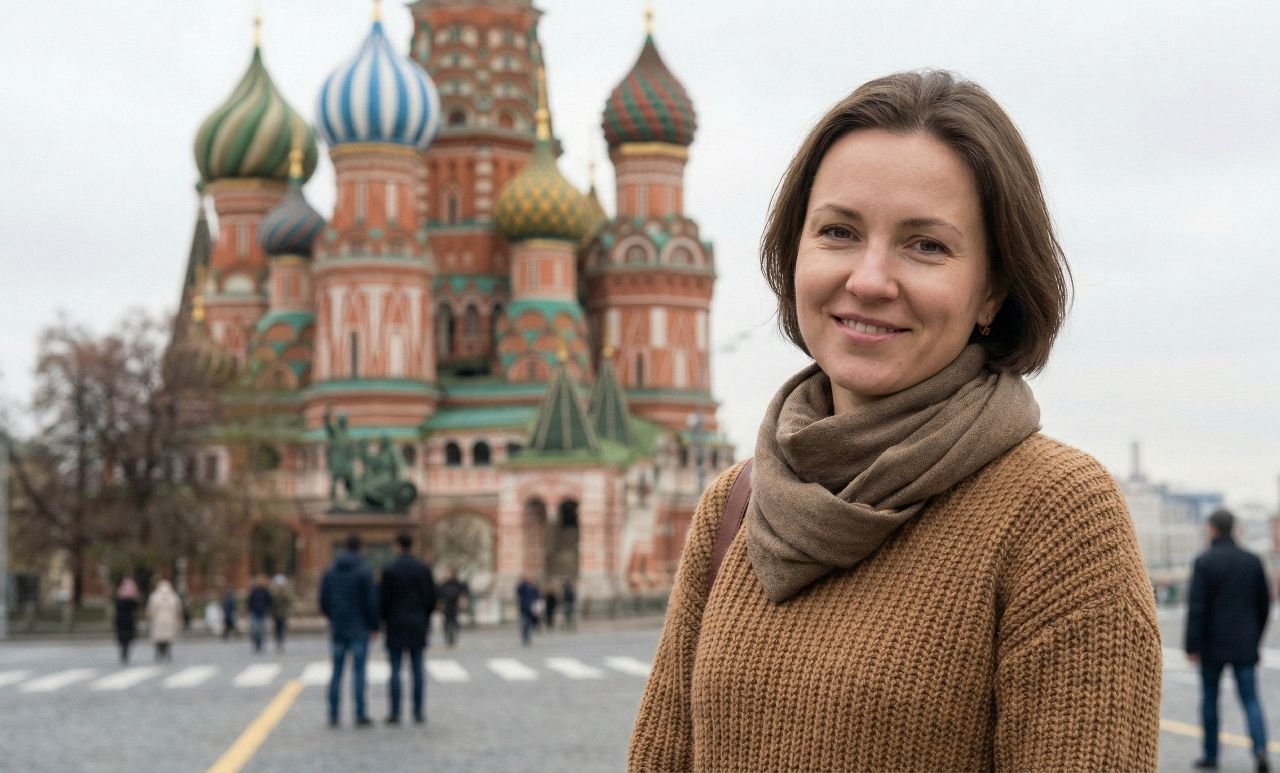
Anastasia is a Moscow-based travel blog writer who brings a local’s insight to one of the world’s most fascinating and misunderstood cities. Born and raised in Moscow, Russia, Anastasia shares an authentic, on-the-ground perspective on what it’s really like to explore the city beyond the postcards.
Her writing focuses on tourism in Moscow, practical guides for first-time visitors, and hidden corners that most travelers miss. In addition, Anastasia writes extensively about expat life in Moscow, covering everyday realities such as housing, transportation, cultural differences, and settling into life in the Russian capital.
As a solo traveler in her own city, she also documents Moscow through the lens of independence and curiosity — from navigating the metro alone at night to discovering cafés, museums, and neighborhoods that feel welcoming for solo visitors. Her work blends local knowledge with honest personal experience, helping travelers and expats alike feel more confident, informed, and inspired when discovering Moscow on their own terms.