

If you’re planning a trip to Moscow, understanding how the Moscow Metro works can make your visit so much easier and more enjoyable. This subway system isn’t just a way to get around—it’s a stunning underground world filled with dazzling architecture and art that you won’t want to miss.
But how do you buy tickets? Is it easy to navigate? What should you watch out for as a tourist? You’ll discover simple tips to confidently use the Moscow Metro, save time, and make your travel experience smooth from start to finish.
Keep reading to unlock the secrets of this famous transit system and travel like a local on your next Moscow adventure!
Ticket Options
Understanding ticket options helps tourists use the Moscow Metro easily. The system offers several ways to buy tickets. Each method suits different traveler needs and preferences. Choose what feels simple and fast for you.

Buying At Ticket Offices
Ticket offices, called “КАССА” in Russian, are found at every station. Staff speak limited English but can help with basic tickets. Lines may form during busy hours, so arrive early. You can buy single rides or multi-ride cards here. Keep your ticket until you leave the metro.
Using Vending Machines
Vending machines offer quick ticket purchase without waiting. Most machines have an English language option. They accept cash and cards for payment. You can buy single tickets or travel cards. Machines also show maps and fare information. They are available at all metro stations.
Paying With Cards And Smartphones
The Moscow Metro supports contactless payments at turnstiles. Use bank cards with contactless features or smartphone apps like Apple Pay and Google Pay. Tap your card or phone on the reader to enter. This method is fast and avoids paper tickets. It works for both single rides and multiple trips.
Navigating The Metro
Navigating the Moscow Metro offers a unique experience for tourists. The system is large but designed to be user-friendly. Understanding its layout, signs, and train schedules helps travelers move with ease. This section breaks down key points for a smooth journey underground.
Station Layouts
Most Moscow Metro stations have a simple design. Entrances lead to ticket halls with turnstiles and vending machines. Platforms are usually underground with clear paths to different train lines. Large stations may have multiple levels and exits. Maps and signs show the way to transfer points. The stations are spacious, allowing easy movement even during busy hours.
Signage And Language
Signs use both Russian and English. Station names appear in Cyrillic and Latin alphabets. Directional arrows guide passengers to lines and exits. Key information like ticket counters and restrooms is marked clearly. Announcements on trains are often bilingual. This helps tourists understand where to get off or change trains.
Train Frequencies
Trains run frequently throughout the day. During peak hours, wait times can be as short as two minutes. Off-peak times still have trains every five minutes or less. The Metro operates from early morning until around midnight. This schedule suits most tourist activities and city tours.
Must-see Stations
The Moscow Metro offers more than just transportation. Many stations are must-see spots for tourists. Each station tells a story through design, art, and history. Exploring these stations adds a unique charm to your visit.
Visitors often find themselves amazed by the beauty and detail inside the metro. The stations are like underground museums. Here are some must-see stations and what makes them special.
Architectural Highlights
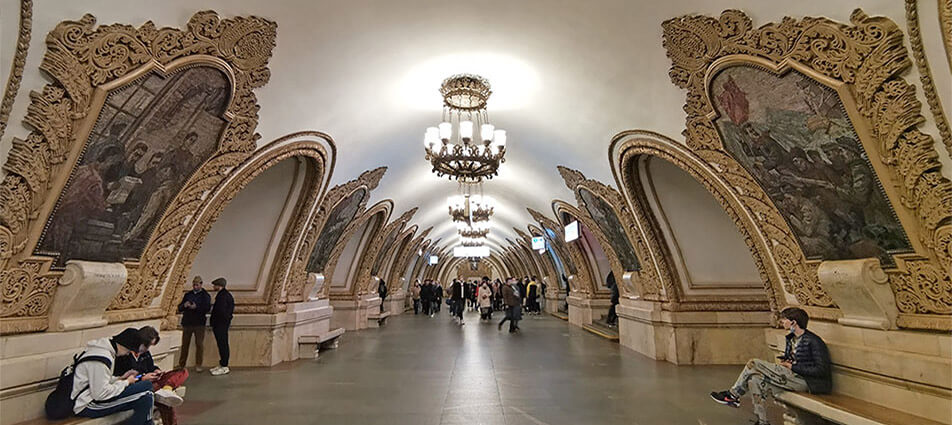
Many Moscow Metro stations feature grand architecture. Marble columns, high ceilings, and elegant arches create a palace-like feel. Stations such as Komsomolskaya and Mayakovskaya stand out for their classic Soviet design. Each station shows a different architectural style, from Stalinist to modern. Walking through these stations feels like stepping back in time.
Art And Decorations
Art lovers will enjoy the rich decorations in the metro. Beautiful mosaics, sculptures, and paintings tell stories of Russian culture and history. For example, Ploshchad Revolyutsii station has bronze statues depicting workers and soldiers. The lighting, chandeliers, and detailed murals add to the artistic atmosphere. Many stations celebrate important events and heroes through their art.
Popular Photo Spots
The Moscow Metro is a favorite for photographers. Shining chandeliers, colorful tiles, and grand halls create perfect photo backdrops. Stations like Novoslobodskaya with its stained glass windows attract many visitors. Tourists often take photos at Kropotkinskaya, known for its white marble and spacious design. These spots offer memorable pictures to share and remember your trip.
Using Metro Passes
Using metro passes simplifies travel on the Moscow Metro for tourists. Passes offer easy access to trains without buying a ticket each time. They save time and reduce confusion in busy stations.
Tourists can choose from different passes based on how long they stay and how often they travel. Each pass type offers specific benefits for convenience and cost savings.
Types Of Passes
The Moscow Metro offers several types of passes for tourists. The most common is the unlimited ride pass for 1, 3, or 7 days. Another option is the multi-ride ticket, which covers a set number of rides. Passes can be used on all metro lines and some buses.
Where To Buy
Tourists can buy metro passes at station ticket offices or automated machines. Most machines support English and accept cash or cards. Passes are also available at some hotels and kiosks near major stations.
Cost Benefits
Metro passes provide better value than single tickets for multiple trips. The unlimited passes save money for tourists traveling several times daily. Multi-ride tickets reduce the cost per trip compared to buying single rides separately.
Safety Tips
Riding the Moscow Metro is a great way for tourists to explore the city. Staying safe ensures a smooth experience. Follow these safety tips to protect yourself and enjoy your trip without worry.
Avoiding Crowds
Try to travel outside rush hours. Early mornings and late evenings are less busy. Crowded trains can be uncomfortable and increase pickpocket risks. Stand near train doors for quick exit. Watch for sudden crowd surges on platforms. Staying alert helps avoid accidents and stress.
Protecting Belongings
Keep bags closed and close to your body. Use front backpacks or bags with secure zippers. Avoid flashing expensive items like phones or cameras. Pickpockets often work in crowded areas. Stay aware of people standing too close. Use money belts or hidden pouches for valuables.
Emergency Contacts
Save local emergency numbers on your phone. Moscow police can be reached by dialing 102. Ambulance and fire services use 103 and 101. Station staff can help in emergencies and speak basic English. Know your hotel address in Russian for quick assistance. Keep a paper copy of important contacts as backup.
Accessibility Features
The Moscow Metro offers several accessibility features to help all tourists travel comfortably. These features support people with mobility challenges and those needing extra assistance. The system continues to improve, making travel easier and more inclusive.
Understanding these features helps visitors plan their trips better. It also ensures a smooth and safe journey through the metro stations and trains.
Elevators And Ramps
Many stations have elevators to reach platforms easily. Ramps are also available for wheelchair users and travelers with strollers. These facilities reduce the need to use stairs, making access simpler and quicker.
Assistance Services
Staff members provide help to passengers with disabilities. They offer support for boarding trains and navigating stations. Tourists can request assistance at metro information desks or ticket offices.
Accessible Stations
Several key stations are fully accessible, equipped with wide gates and tactile paving. These stations are marked on metro maps for easy identification. Travelers can plan their routes using these stations for greater convenience.
Travel Etiquette
Travel etiquette plays a big role in making your Moscow Metro ride smooth and pleasant. Understanding local customs helps you avoid awkward moments. It shows respect for the daily commuters and the city’s culture. Knowing the basic rules makes your trip stress-free and enjoyable.
Riding Rules
Always stand to the right on escalators. This lets others pass on the left. Keep your bags close and avoid blocking doors. Let passengers exit before you enter the train. Speak quietly and avoid loud phone calls. Eating and drinking inside trains is not allowed.
Behavior In Stations
Follow signs and stay behind the yellow safety line. Do not run or push near platforms. Wait patiently for your turn at ticket machines or gates. Keep the station clean by disposing of trash properly. Smoking and alcohol are strictly forbidden in all areas.
Interacting With Locals
Greet with a simple nod or smile if eye contact happens. Avoid personal questions or sensitive topics in conversations. Use basic Russian phrases like “spasibo” (thank you) to show politeness. Stay calm and patient if language barriers arise. Respect personal space; Russians usually keep some distance.
Credit: russiable.com
Nearby Attractions
The Moscow Metro offers tourists easy access to many famous attractions. Visitors can explore historic sites, museums, parks, and theaters close to metro stations. Using the metro saves time and money while enhancing the travel experience.
Many metro stops are near landmarks worth visiting. Walking routes from stations help tourists discover hidden gems. Guided tours also provide deeper insights into Moscow’s culture and history.
Metro Stops And Landmarks
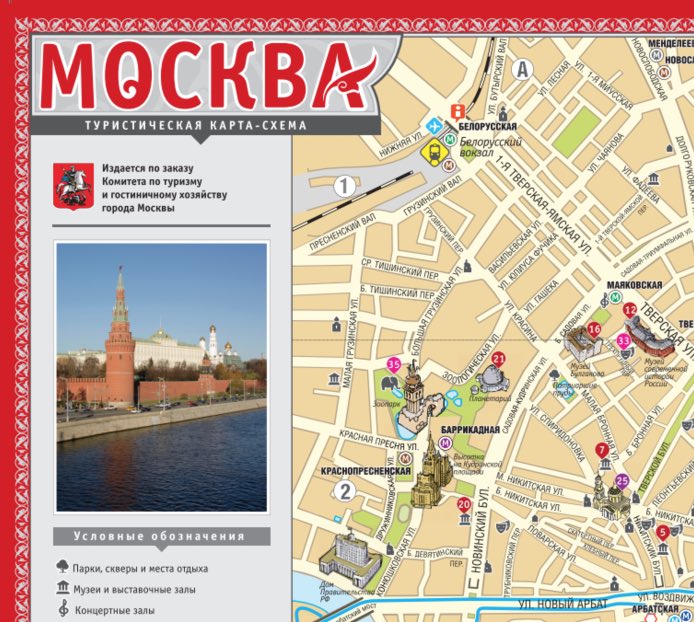
The Moscow Metro connects key landmarks across the city. For example, Red Square and the Kremlin are near Okhotny Ryad station. The Bolshoi Theatre is close to Teatralnaya station. Gorky Park lies near Park Kultury station. Tourists can plan visits around metro stops for easy access.
Walking Routes
Walking from metro stations allows tourists to enjoy the city’s atmosphere. Short walks lead to charming streets, cafes, and historic buildings. For example, from Arbatskaya station, visitors can stroll along Arbat Street, famous for shops and street artists. Walking routes enrich the travel experience by connecting metro rides to local sights.
Recommended Tours
Several tours focus on metro-based sightseeing. Some offer combined metro rides and walking tours to cover many attractions in one trip. Guided tours explain the history of stations and nearby landmarks. Tourists gain local knowledge and avoid navigation stress. Booking these tours helps tourists explore Moscow efficiently and enjoyably.
Tips For First-time Visitors
The Moscow Metro offers an efficient and unique way to explore the city. For first-time visitors, understanding how to navigate the system can make the journey smoother. Simple tips can help avoid common issues and enhance your experience. Here are some practical suggestions to keep in mind.
Best Travel Times
Avoid rush hours to have a more comfortable ride. Early mornings and late evenings are less crowded. Weekdays between 10 AM and 4 PM offer the easiest travel. Weekends are usually quieter but check for maintenance work. Planning trips during these times reduces stress and saves time.
Avoiding Tourist Traps
Stick to official ticket booths or machines to buy your ticket. Beware of unofficial sellers offering help or tickets. Use station maps to plan your route before boarding. Do not rely only on station announcements; they may be in Russian only. Stay alert in busy stations to protect your belongings from pickpockets.
Language Help
Most metro signs use both Russian and English. Carry a phrasebook or translation app for quick help. Learn simple words like “exit,” “ticket,” and “transfer.” Staff at major stations often speak some English. Use phone maps to track your location during your trip.

Credit: www.yahoo.com
Credit: gotosiberia.com
Frequently Asked Questions
How To Pay For Metro In Moscow?
Pay for the Moscow Metro using a ticket from a ticket office or vending machine. Use a bank card or smartphone at turnstile terminals. Machines and terminals support English, making payment quick and easy.
Is The Moscow Metro Easy To Navigate?
The Moscow Metro is easy to navigate with clear signs and frequent trains. English translations help tourists find routes quickly. Stations are well-marked, and ticket machines accept cards and smartphones. Overall, it offers a smooth, user-friendly experience for first-time visitors and locals alike.
Can An American Go To Moscow Right Now?
Americans can travel to Moscow only with a valid Russian visa obtained beforehand. Direct flights are limited. U. S. cards don’t work; bring cash. The U. S. government warns of high risks and limited consular support. Travel is possible but strongly discouraged.
How Much Does The Moscow Metro Cost?
A single Moscow Metro ride costs 60 rubles. Discounts apply for multiple rides or travel cards. Payment options include cash, cards, or smartphone apps.
Conclusion
The Moscow Metro offers tourists a simple and efficient way to explore the city. Stations are easy to find and navigate, with clear signs in English. Buying tickets is straightforward through machines or ticket offices. Trains come frequently, reducing wait times.
The metro also showcases beautiful architecture and art. Using it saves time and money while seeing Moscow’s sights. Tourists should carry a map or use a mobile app to plan routes. Overall, the Moscow Metro provides a reliable and enjoyable travel experience for visitors.
Anastasia is a Moscow-based travel blog writer who brings a local’s insight to one of the world’s most fascinating and misunderstood cities. Born and raised in Moscow, Russia, Anastasia shares an authentic, on-the-ground perspective on what it’s really like to explore the city beyond the postcards.
Her writing focuses on tourism in Moscow, practical guides for first-time visitors, and hidden corners that most travelers miss. In addition, Anastasia writes extensively about expat life in Moscow, covering everyday realities such as housing, transportation, cultural differences, and settling into life in the Russian capital.
As a solo traveler in her own city, she also documents Moscow through the lens of independence and curiosity — from navigating the metro alone at night to discovering cafés, museums, and neighborhoods that feel welcoming for solo visitors. Her work blends local knowledge with honest personal experience, helping travelers and expats alike feel more confident, informed, and inspired when discovering Moscow on their own terms.