

This guide explains how residency works for long-term stays in Moscow; I share clear steps, how to get permits, and what to expect so you can prepare. I outline important deadlines, common pitfalls that can delay your stay, and the benefits of registering correctly. I also link to practical resources like HOW TO GET PERMANENT RESIDENCY IN RUSSIA MOSCOW to help you find forms and legal guidance for a smoother transition.
Understanding Residency Types
- Temporary residency
- Permanent residency
- Registration
- Work rights
- Citizenship path
| Type | Temporary Residency (RVP) / Permanent Residency (VNZH) |
| Typical validity | RVP: 3 years – VNZH: 5 years (renewable) |
| Work permission | RVP generally allows work without extra permits; VNZH allows full employment rights |
| Registration & reporting | You must register your place of stay within 7 working days after arrival and update changes promptly |
| Path to citizenship | Holding VNZH typically leads to eligibility for citizenship after about 5 years (exceptions apply) |
Temporary Residency
I’ve seen many applicants treat the RVP as a straightforward short-term solution: it’s issued for up to 3 years, often subject to regional quotas, and it normally lets you work without applying for a separate work permit. When I advise people, I point out that you still must complete migration registration within 7 working days of arrival; failing to register can trigger fines and administrative problems very quickly.
You’ll submit a biometric application, medical checks, and proof of legal entry; processing can vary from a few months to a year depending on backlog and your region. In practice, I’ve helped clients who waited about 4-6 months in Moscow; if you plan to convert to permanent status, typically after roughly a year on an RVP you become eligible to apply for the VNZH, so plan timelines accordingly and avoid overstaying-overstays can lead to fines, bans, or deportation.
Permanent Residency
I treat the VNZH as the point where long-term stability really changes: it’s issued for 5 years and is renewable indefinitely, grants broad work rights, and gives access to many social services and banking conveniences that non-residents struggle with. When I walk applicants through the process I emphasize documentation accuracy and proof of lawful stay because authorities check histories-errors can delay approval by months.

From experience, the most positive outcomes come when you time applications with clear evidence: continuous residence, no migration violations, and clean medical records speed approval. Also be aware that while VNZH opens the path to citizenship (commonly after about 5 years of holding it), you still cannot vote and there are limits if you spend extended periods abroad; losing residency for prolonged absence is a real risk and a dangerous oversight for frequent travelers.
I often recommend tracking your absences, keeping up-to-date registration, and consulting an immigration specialist for complex cases; VNZH brings stability but also obligations that I help applicants meet. Perceiving the trade-offs, I recommend you weigh application timelines and your work needs.
Tips for a Successful Application
I often streamline the process by planning each step and checking document lists twice before booking appointments.
- I advise you to submit applications well ahead of deadlines-expect processing times of about 2-6 months for temporary permits and up to a year for permanent residence.
- I keep and back up every page of my passport, the migration card, and all visa stamps because you will need originals at every stage.
- I make sure to register within 7 working days of arrival in Moscow to avoid fines or complications with future renewals.
- I get all foreign documents translated into Russian and notarized copies ready; missing notarized Russian translations delays processing more than most people expect.
- I request a full medical certificate (including HIV and TB tests) from an approved clinic when applying for long-term permits, since some centres will reject results older than 3 months.
- I obtain a police clearance from my home country early-authentication can take several weeks and often requires apostille or consular legalization.
- I use Gosuslugi to book appointments and save payment receipts; online tracking reduces unnecessary trips to the migration office.
Knowing I leave extra time for translations, legalization, and possible re-submissions has saved me missed deadlines and extra fees.
Documentation Requirements
I typically assemble an application packet that includes the original passport with at least two blank pages, a valid visa or proof of legal stay, your completed application form, and multiple passport-size photos (usually 3.5×4.5 cm, four copies). I also include the migration card and the registration stamp or temporary registration receipt; without these, many offices will refuse to accept the submission.
I always add supporting documents specific to my purpose of stay: a work contract and employer invitation for a work-based residency, an enrollment letter for a study visa, or a Russian citizen spouse’s documents for family-based applications. I pay fees and photocopy every item, and I prepare notarized Russian translations and any required apostilles-police clearances and medical certificates often need prior legalization, which can add weeks to the timeline.
Useful Resources
I rely on the official ГУВМ МВД (MVD migration) pages and Gosuslugi for forms, appointment booking, and up-to-date procedural changes; the Moscow migration office publishes local requirements and typical processing times. I also check the website of my local Russian consulate for specifics on legalization and document submission rules from my home country.
I follow expat forums like Expat.ru and Telegram groups for practical tips, office opening-hour quirks, and personal case studies-these communities flag scams and unofficial agents, and they often post sample checklists and lawyers’ contact details that I’ve used. I keep a saved list of the nearest approved medical centres for the required medical certificate to avoid last-minute rejections.
I’ve found that hiring a migration lawyer for complex cases (permanent residency, quota issues, or unusual prior immigration history) can cut processing stress; typical fees I’ve seen range from about 10,000-80,000 RUB depending on scope, and the lawyer can handle translations, notarization, and direct communication with the office on your behalf.
Step-by-Step Guide to Apply
Step-by-step at a glance
| Step | What to prepare / Timeline |
|---|---|
| Document collection | Passport (valid ≥6 months), 3-4 passport photos, copies, notarized Russian translations, medical certificate from an authorized clinic, proof of address and financial means. |
| Submission | Apply at the GUVM/MFC in Moscow or via your employer/representative; biometric appointment included. Processing commonly takes 3-6 months depending on quota and case category. |
| Registration & follow-up | Register your place of residence within 7 working days if arriving on a visa; track status online and be ready to provide extra documents if requested. |
Initial Preparation
I start by making a checklist and ordering translations and notarizations early: translated documents often require an apostille or notarized verification, and getting those done can take 2-4 weeks depending on where you are. You should get a medical certificate from an authorized Russian clinic (tests usually include TB and basic infectious screenings), gather proof of funds or employment, and have multiple certified passport copies ready; missing a single notarized translation is a common cause of delay, so I treat that as high priority.
If you’re moving from the US, I also consult the How to Move to Russia from USA: Complete American … guide for visa-entry steps and practical checklists-that helped me align timelines for consular visas and Moscow registration. In many cases I advise scheduling appointments at the GUVM or MFC in advance; slots in central Moscow can fill quickly, so plan for at least a month of lead time before your intended submission date.
Submission Process
I submit the packet in person or through an authorized representative at the GUVM/MFC, hand over originals plus copies, and complete the biometric capture. After submission you receive a receipt with a tracking number; processing times vary by category-standard temporary residence permits and residence permits often take between 3 and 6 months, though quota applications can be longer. If your situation fits quota-exempt categories (for example certain highly qualified specialists or family members), processing can be noticeably faster.
After the office starts processing, expect requests for additional documents and at least one notification to appear for biometric collection or card pickup; I always keep scanned backups and proof of delivery. Missing or inconsistent paperwork is the most common cause of refusal, so I double-check translations, signatures, and the exact spellings on every form before submission.
Key Factors to Consider
I focus on a few practical items you should weigh immediately: registration timelines, the exact visa or residency permit you need, how a work permit (if required) will be obtained, and whether you will become a tax resident. For example, you generally need to complete temporary registration within 7 working days of arrival in Moscow, tourist visas commonly last up to 30 days, and many business visas allow stays up to 90 days. I flag overstaying as a high-risk issue because it can trigger fines, administrative removal, or problems getting future visas.
- Registration: landlord or hotel files it; missing it can cause fines and bureaucratic delays.
- Visa type: determines total allowable stay and whether you can work – a work visa/permit is tied to an employer.
- Processing time: work/residency permits often take several weeks to months; plan accordingly.
- Tax residency (183 days): staying more than 183 days in 12 months affects your tax status and reporting.
- Document renewal: some permits need in-country renewals, others require exit and re-entry for conversion.
This helps you prioritize which documents to gather and the timelines you must meet.
Duration of Stay
I check the exact allowed stay tied to your visa or permit: a single-entry tourist visa typically covers up to 30 days, while standard business visas often permit stays of up to 90 days per entry or within a 180-day period depending on the visa wording. If you hold a temporary residence permit, it is commonly issued for a multi-year period (often up to three years) and then converted or renewed, whereas a permanent residence permit allows indefinite stay subject to registration rules.
I also watch turnaround times and cumulative limits: frequent short business visits add up, and if you cross the 183-day threshold you’ll be treated as a tax resident. In practice, I advise spacing entries and tracking days in-country to avoid unintentional tax or immigration exposure.
Purpose of Residency
I treat the stated purpose as the single biggest determinant of your route: if you’re coming on an employment contract, your employer typically sponsors a work permit and related visa; students need an official invitation from an accredited university; family reunification requires documented relationships and often different processing queues. For instance, a friend who arrived on a work visa had their company submit the permit application and the whole process took about six weeks from application to visa issuance.
I compare costs and constraints by purpose: work permits may restrict you to a specific employer, student visas limit work hours, and family-based permits can lead to faster permanent residency options. I also highlight that property ownership alone rarely grants residency rights, so you shouldn’t assume buying real estate means automatic legal stay.
I make a point of checking conversion paths and timelines: switching from a temporary to a permanent permit can require multi-year residence, fixed documentation, and sometimes a language or integration assessment, so you need to plan applications well in advance.
Pros and Cons of Long-Term Residency
Pros and Cons
| Pros | Cons |
|---|---|
| Work legally without a separate work permit | Significant paperwork and frequent interactions with migration authorities |
| Access to banking services, rent contracts and easier apartment purchases | Obligation to register your place of residence (usually within 7 working days) |
| Path to permanent residence and then citizenship (often after ~5 years) | Becoming a tax resident if you spend more than 183 days in a 12‑month period |
| Stability – no repeated short‑term visa renewals or visa runs | Renewal fees, medical checks and potential quota restrictions depending on category |
| Ability to enroll children in local schools and access certain social services | Language barrier and local bureaucracy can delay even simple requests |
| Better prospects for long-term employment, promotions and employer sponsorship | Policy shifts or legal changes can alter benefits or impose new requirements |
| More predictable travel in and out of Russia compared with short‑term visas | Serious legal violations can lead to deportation and loss of status |
| Potential cost savings from avoiding repeated visa and mediation fees | Some public services require additional contributions or private insurance |
Advantages
I value the practical gains most: once I had long‑term residency, I could sign an employment contract and start work without spending months on work‑permit paperwork. In my experience that alone saved weeks and often the equivalent of several hundred dollars per year in agency and visa renewal costs. More tangibly, you can open a local bank account, register utilities, and apply for longer‑term rentals or mortgages – businesses and landlords treat residents very differently than short‑term visitors.
Beyond paperwork, I noticed the lifestyle shift: as a resident you can enroll kids in local schools and, if you’re employed and pay into the system, access certain public health services. For example, many colleagues who obtained permanent residency later applied for citizenship after roughly five years of continuous residence, which opened even more opportunities for travel and long‑term financial planning.
Disadvantages
Dealing with migration formalities is the biggest downside I’ve faced: registration deadlines (generally within 7 working days of moving), permit renewals, medical exams and occasional quota limits mean you’re regularly interacting with bureaucracy. I’ve seen cases where a missed deadline led to fines and weeks of extra paperwork, and in more serious cases authorities can revoke status if rules are violated.
Another real downside is the tax and legal exposure: if you’re in Russia for more than 183 days in a 12‑month period you’ll typically be treated as a Russian tax resident and liable for worldwide income reporting. That changed financial planning for a friend of mine who didn’t track days and suddenly had new filing obligations and unexpected tax liabilities.
To mitigate risk I keep copies of all migration documents, track my presence days carefully, and consult a migration specialist when rules shift – that’s how I avoided a costly renewal delay last year and why I recommend proactive management if you choose long‑term residency.
To wrap up
Now I’ve outlined the main routes for long-term residency in Moscow – from temporary permits and work visas to applying for a Permanent residence permit if you intend to settle. I suggest you keep your documents current, register with local authorities, and use reliable legal support so you can focus on daily life rather than paperwork.
I know the paperwork and timelines can feel overwhelming, but if you track validity dates, meet eligibility requirements, and keep organized copies of everything, your move and stay will go much more smoothly for both you and me when I help you navigate specifics.
FAQ
Q: What immigration statuses allow long-term residence in Moscow and how do I apply?
A: Long-term stays are usually based on a work visa (employer-sponsored), student visa, private/family visa, temporary residence permit (TRP) or permanent residence permit (PRP). Employers typically secure a work permit or an invitation, after which you obtain the appropriate visa at a Russian consulate and then register on arrival. TRPs and PRPs are issued by the migration authorities (MIA/Regional Migration Offices or multifunctional centers) and require an application package: passport, valid visa and migration card, photos, proof of address, medical certificates (tuberculosis/HIV testing may be required), proof of financial means or employment, and sometimes a criminal-record check. Processing times and quota requirements vary by category; timelines range from several weeks to many months depending on complexity and whether a quota applies.
Q: How does migration registration in Moscow work and what are the deadlines?
A: Every foreigner must register their place of stay with the migration authorities or through the host (hotel, landlord, university, or employer) within seven working days of arrival or change of address. Hotels usually register guests automatically; for private rentals the landlord or host arranges registration at a post office, migration office, or online through official portals. Required items typically include your passport with visa and migration card, a rental agreement or notarized invitation, and the registration slip you will receive as proof. Failure to register on time can lead to fines, administrative complications with visa renewals, and problems during police checks; organizations that fail to register guests may face larger penalties.
Q: What rights, obligations and practical steps should I know as a long-term resident in Moscow?
A: Residency rights and obligations depend on your status: TRP and PRP permit long-term stay and generally make employment and access to some services easier (PRP removes the need for separate work permits). You may become a tax resident after spending 183 days in Russia in a 12-month period and will then have income tax obligations. Maintain valid immigration documents, renew visas/permits well before expiry, and report any change of address within the same seven-day window. Obtain health insurance or ensure your employer provides compulsory medical coverage; retain copies of all documents and the migration card while in-country. Overstaying or failing to comply can result in fines, deportation, or entry bans, so plan renewals and registrations ahead of deadlines.
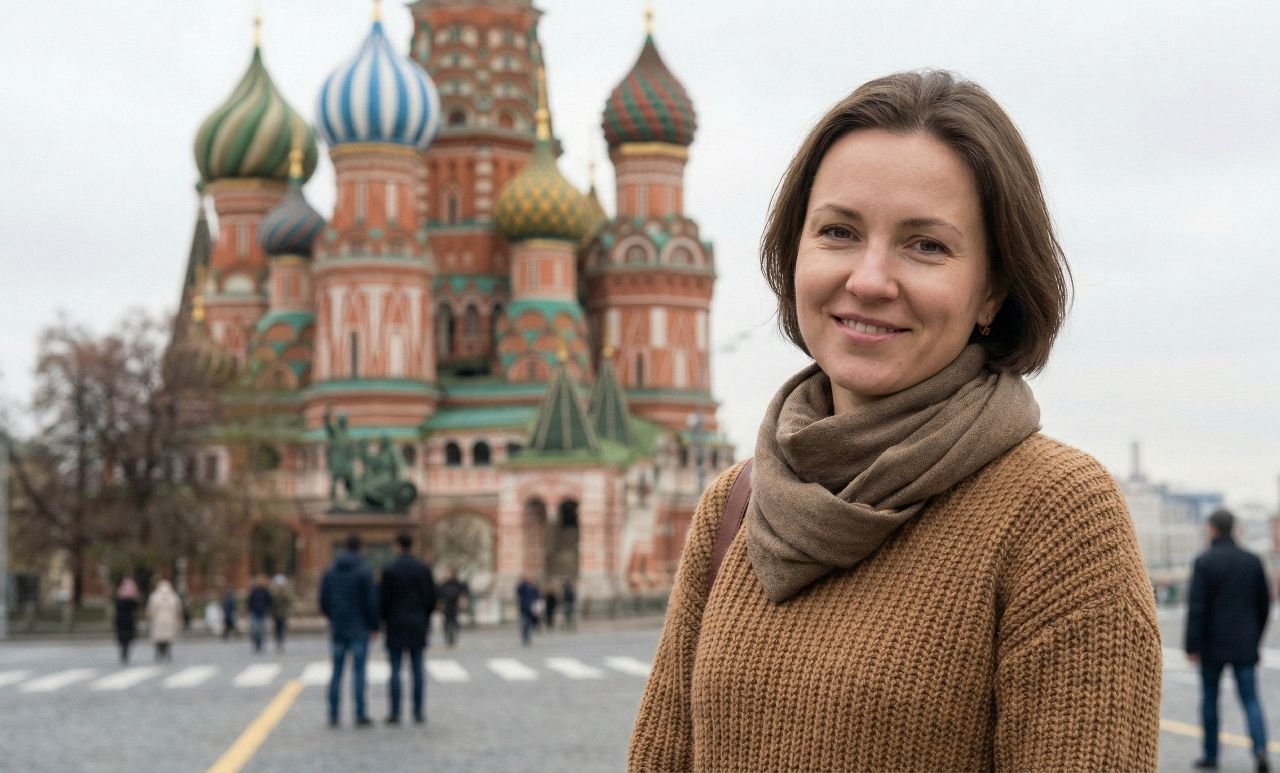
Anastasia is a Moscow-based travel blog writer who brings a local’s insight to one of the world’s most fascinating and misunderstood cities. Born and raised in Moscow, Russia, Anastasia shares an authentic, on-the-ground perspective on what it’s really like to explore the city beyond the postcards.
Her writing focuses on tourism in Moscow, practical guides for first-time visitors, and hidden corners that most travelers miss. In addition, Anastasia writes extensively about expat life in Moscow, covering everyday realities such as housing, transportation, cultural differences, and settling into life in the Russian capital.
As a solo traveler in her own city, she also documents Moscow through the lens of independence and curiosity — from navigating the metro alone at night to discovering cafés, museums, and neighborhoods that feel welcoming for solo visitors. Her work blends local knowledge with honest personal experience, helping travelers and expats alike feel more confident, informed, and inspired when discovering Moscow on their own terms.