
Visiting Moscow soon? If you’re planning to dine out, understanding the tipping etiquette in restaurants here will save you from awkward moments and help you connect better with locals.
You might wonder, “Do I tip in Russia like I do back home? ” or “How much is appropriate? ” Knowing the right way to show appreciation for good service can make your dining experience smoother and more enjoyable. Keep reading to discover simple, clear tips on when and how to tip in Moscow’s restaurants—your wallet and your hosts will thank you!
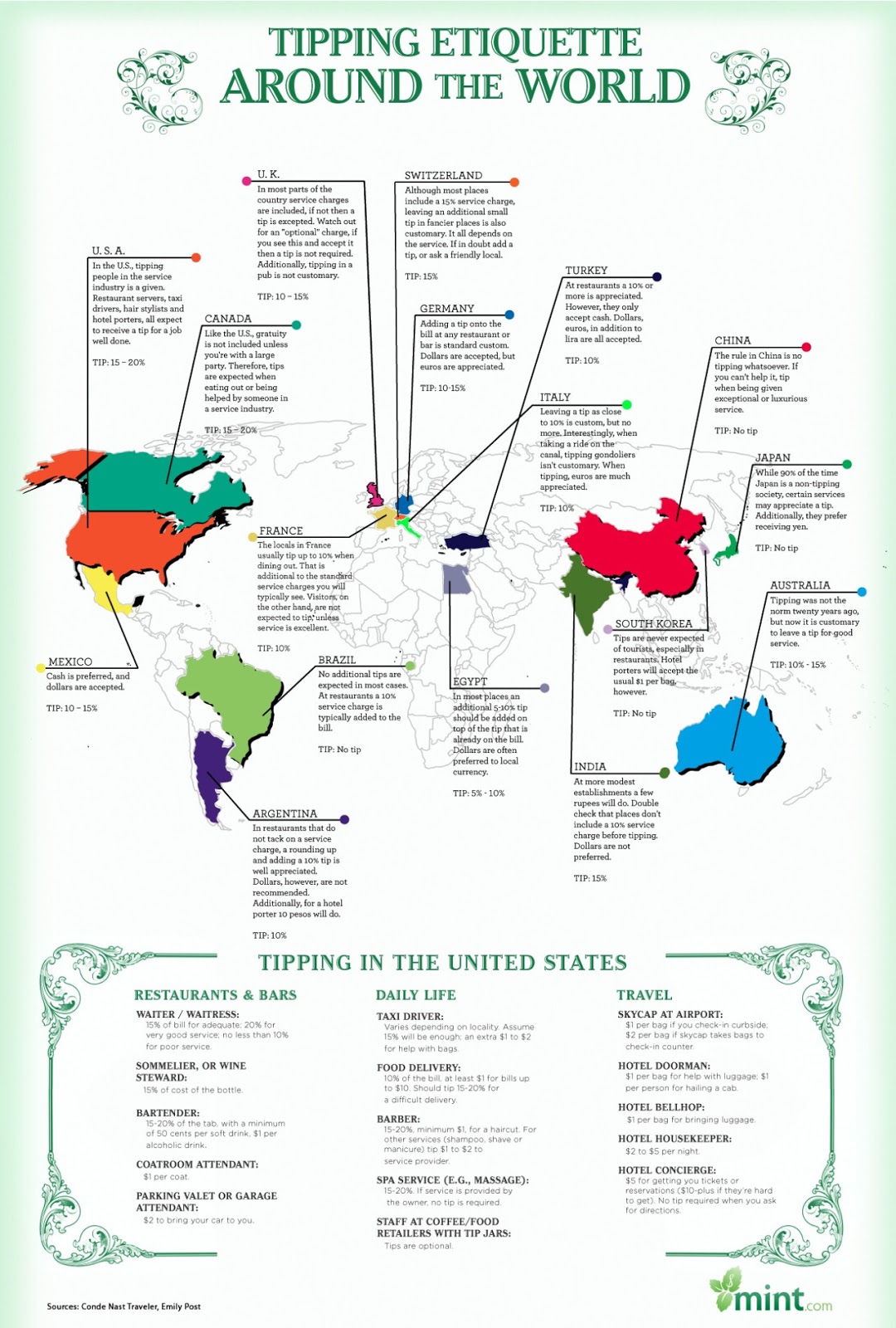
Credit: vividmaps.com
Tipping Norms In Moscow
Tipping norms in Moscow reflect a mix of tradition and modern expectations. Visitors often wonder how much to tip and when it is appropriate. Understanding local customs helps avoid awkward moments and shows respect for service staff.

In Moscow, tipping is common but not always mandatory. The culture encourages rewarding good service rather than obligatory tipping. This section covers the key points of tipping in restaurants across the city.
General Tipping Culture
In Moscow, tipping is seen as a gesture of appreciation. It is not usually included in the bill. Waiters depend on tips as part of their income. Customers tip if the service is good and attentive.
Service quality varies, so tipping is often based on the experience. Some locals tip less or not at all if the service is poor. Tipping is a sign of politeness and gratitude.
When To Tip
Tip after the meal, once the bill arrives. Check the bill carefully to see if a service charge is included. If yes, an extra tip is not necessary. If no service charge is added, leaving a tip is appreciated.
In casual or fast-food places, tipping is less common. In fine dining or tourist areas, tipping is more expected. Always tip directly to the waiter or leave it on the table.
Common Tip Amounts
The standard tip in Moscow is around 10% of the total bill. Some people leave between 5% and 15%, depending on service quality. Round up the bill for convenience or leave small change.
For exceptional service, a tip of 15% or more is common. Avoid tipping too little, as it may seem rude. Cash tips are preferred over adding to card payments.
Restaurant Tipping Practices
Tipping in Moscow restaurants varies by setting and service quality. Understanding local customs helps show respect and appreciation. Service charges are not always included in the bill. Therefore, leaving a tip is a kind gesture for good service. This guide explains common tipping practices in different dining environments.
Tipping In Casual Dining
Casual restaurants in Moscow usually expect small tips. A tip of 5-10% of the bill is common. Some people round up the total to the nearest convenient number. Service may feel less formal, but kindness is appreciated. Staff often work hard for modest wages.
Tipping In Fine Dining
Fine dining establishments expect higher tips. Around 10-15% of the bill is standard in upscale places. Some restaurants add a service fee, so check your bill first. Tipping shows respect for attentive, polished service. It supports skilled waitstaff and enhances your dining experience.
Bar And Cafe Tips
Bars and cafes usually receive smaller tips. Leaving 10-20 rubles or rounding up the bill is enough. Bartenders and baristas appreciate small tokens of thanks. In busy cafes, tipping may be less expected but welcomed. A friendly smile and tip build good rapport.
Service Quality And Tipping
Tipping in Moscow’s restaurants depends heavily on the quality of service. Good service often encourages diners to leave a tip as a sign of gratitude. Understanding how service affects tipping helps visitors navigate local customs easily. In this section, we explain how to handle various service experiences and express appreciation correctly.
How Service Affects Tips
Service quality plays a key role in tipping decisions. Friendly and attentive waitstaff usually receive higher tips. Quick and efficient service also earns appreciation from customers. In Moscow, tipping around 10% is common for good service. Poor or slow service might result in a smaller tip or none at all. Observing the staff’s effort helps decide the right tip amount.
Handling Poor Service
Sometimes service does not meet expectations. In such cases, it is acceptable to leave a minimal tip or no tip. Polite feedback can help improve future experiences. Avoid confrontations and remain calm if service is disappointing. Remember, tipping is a way to reward good service, not punish poor service.
Expressing Appreciation
Showing gratitude for excellent service is appreciated in Moscow. Leaving a tip along with a kind word makes a positive impact. Small gestures like a smile or a thank-you go a long way. Tipping politely helps build good relationships with restaurant staff. This practice encourages continued quality service during your visits.
Credit: classic.esquire.com
Paying Tips In Moscow
Paying tips in Moscow reflects a mix of tradition and modern payment methods. Tipping is appreciated but not always mandatory. Locals often tip around 10% of the bill for good service. Tourists should know how to leave tips properly. This helps avoid confusion and shows respect for local customs.
Cash Vs. Card Tips
Cash tips remain the most common way to reward good service in Moscow. Many waiters prefer cash because they receive it directly. Leaving cash on the table or handing it to the server is usual. Some restaurants allow adding tips to the card payment. However, this is less common and sometimes confusing. Cash tips feel more personal and immediate for staff.
Tipping Through Apps
Mobile payment apps are growing in popularity in Moscow. Apps like Yandex.Money and Sberbank Online offer tipping options. These apps let customers add a tip after paying the bill. Not all restaurants support app tipping yet. It works best in modern, upscale places. Using apps for tips is convenient and safe. Always check if the app allows clear tip instructions.
Communicating Tips Clearly
Clear communication is key when tipping in Moscow. If paying by card, ask if the tip can be included. When paying cash, hand the tip separately or say the amount aloud. Saying “thank you” while giving a tip shows politeness. Avoid leaving coins only; round amounts are preferred. Clear tips prevent misunderstandings and ensure the server receives your gratitude.
Cultural Etiquette Around Tipping
Tipping culture in Moscow blends tradition with modern expectations. Understanding local customs helps visitors show respect and appreciation. It also avoids awkward moments during dining. Learning about cultural etiquette around tipping enriches your experience and connects you with local practices.
Local Attitudes Toward Tips
In Moscow, tipping is common but not always expected. People often leave a tip if the service is good. Ten percent of the bill is a usual amount. Some restaurants include a service charge in the bill. Check your receipt to avoid double tipping. Locals tip based on the quality of service, not just out of habit.
Avoiding Common Mistakes
Do not leave coins as tips; it can be seen as rude. Always give tips in cash, even if you pay by card. Avoid tipping excessively; it might embarrass the staff. Do not tip if the service was poor or slow. Hand the tip directly to the server or leave it on the table. Never mention the tip loudly or make it a big deal.
Tipping And Social Norms
Tipping in Moscow is a way to show gratitude quietly. It is not a requirement but a polite gesture. Some people may feel uncomfortable receiving large tips. Respect the server’s reaction and keep tipping discreet. In upscale restaurants, tipping is more common and expected. In casual places, tips are smaller or less frequent. Understanding these social norms helps you tip appropriately.
Tipping Beyond Restaurants
Tipping in Moscow extends beyond just restaurants. Many service workers expect a small token of appreciation. Knowing who to tip and how much keeps interactions smooth. This helps you show respect and gratitude.
Tips For Taxi Drivers
Taxis in Moscow rarely include a tip in the fare. It is polite to round up the fare or add 5-10% for good service. If the driver helps with luggage, add a bit more. Always pay in cash as drivers may not accept tips on cards.
Tips For Hotel Staff
Hotel staff such as bellhops and housekeeping appreciate small tips. Give 100-200 rubles for helping with bags or cleaning the room. Leave the tip daily for housekeeping. Front desk staff usually do not expect tips but appreciate polite thanks.
Other Service Providers
Salon workers, tour guides, and porters also value tips. For hairdressers or spa workers, 10% of the service cost is common. Tour guides may receive 200-500 rubles depending on the length of the tour. Porters helping with luggage in train stations or airports expect a small tip.
Tipping Trends For 2026
Tipping habits in Moscow are evolving as the city welcomes more visitors and modern dining culture expands. Understanding the trends for 2026 helps you navigate restaurant tipping with ease. This guide highlights key changes and what to expect in the near future.
Emerging Practices
More restaurants now include a service charge on the bill. This fee usually ranges from 10% to 15%. Guests still leave extra tips for excellent service. Digital payments often offer an easy way to add tips. Some places encourage rounding up the bill instead of fixed percentages. These new habits show a shift from traditional tipping styles.
Impact Of Tourism
Tourists bring different tipping customs to Moscow’s dining scene. Many travelers tip as they do in their home countries. This creates a mix of expectations for waitstaff. Some restaurants train staff to handle varied tipping styles. Increased international visitors raise awareness about tipping etiquette. Tourists who learn local customs avoid confusion and show respect.
Future Expectations
Experts predict tipping will become more transparent and fair. Technology may simplify tipping through apps and contactless payments. Restaurants could standardize service charges to reduce guesswork. Waitstaff might receive more stable wages, lowering reliance on tips. Overall, tipping will likely remain a sign of appreciation for good service.

Credit: www.tripadvisor.com
Frequently Asked Questions
Do You Tip In Restaurants In Russia?
Tipping in Russian restaurants is appreciated but not mandatory. Guests usually leave 10% for good service. Tips show gratitude for friendly, attentive staff. Some restaurants may include a service charge. Always tip in cash directly to your server when possible.
What Is The Dining Etiquette In Russia?
In Russia, hold the knife in your right hand and fork in your left. Keep wrists on the table edge. Always keep hands visible. Avoid resting elbows on the table. Politeness and attentiveness during meals show respect.
Is A $20 Tip A Good Tip?
A $20 tip is generally considered good, especially on a $100 bill, reflecting 20% gratuity. It shows appreciation for quality service.
What Not To Do In Russia As A Tourist?
Avoid drinking alcohol in public and giving money to beggars. Don’t smile at strangers, especially if you’re a woman. Avoid discussing politics or criticizing Russia. Respect local customs and dress modestly in religious sites. Always carry secure bags with zippers to prevent theft.
Conclusion
Tipping in Moscow restaurants shows appreciation for good service. A tip of about 10% is common but not always required. Friendly, helpful waiters often receive a little extra. Cash tips are preferred, even if you pay by card. Remember, tipping is a kind gesture, not a strict rule.
Following local customs helps you enjoy your dining experience more. Keep it simple, polite, and respectful to blend in well. This small act leaves a positive impression during your visit to Moscow.

Anastasia is a Moscow-based travel blog writer who brings a local’s insight to one of the world’s most fascinating and misunderstood cities. Born and raised in Moscow, Russia, Anastasia shares an authentic, on-the-ground perspective on what it’s really like to explore the city beyond the postcards.
Her writing focuses on tourism in Moscow, practical guides for first-time visitors, and hidden corners that most travelers miss. In addition, Anastasia writes extensively about expat life in Moscow, covering everyday realities such as housing, transportation, cultural differences, and settling into life in the Russian capital.
As a solo traveler in her own city, she also documents Moscow through the lens of independence and curiosity — from navigating the metro alone at night to discovering cafés, museums, and neighborhoods that feel welcoming for solo visitors. Her work blends local knowledge with honest personal experience, helping travelers and expats alike feel more confident, informed, and inspired when discovering Moscow on their own terms.