
Whatever else is happening geopolitically, Moscow’s performing arts scene continues largely as it always has, and it’s one of the strongest reasons to spend an evening away from the usual sightseeing circuit.
The Bolshoi Theatre
The Bolshoi first opened in 1776, making it one of the oldest ballet and opera companies in the world, though the building itself has been rebuilt and restored more than once since then, most recently in a major renovation completed in 2011 that restored much of its imperial-era interior after years of structural decline. The main Historic Stage seats close to 1,800 people beneath its grand chandeliers and neoclassical detailing, and remains the venue’s flagship space for its best-known productions, while a separate, more modern New Stage next door hosts smaller or more experimental works.
The Bolshoi’s ballet repertoire leans heavily on the Russian classics: Swan Lake, The Nutcracker, Giselle and Sleeping Beauty all appear regularly, alongside opera performances from Tchaikovsky, Rimsky-Korsakov and other major Russian composers. Its style is known for bold, athletic choreography, distinct from the more restrained tradition of some Western European companies, and the company’s dancers train through the affiliated Bolshoi Ballet Academy, one of the most prestigious in the world.
Getting tickets
Demand for Bolshoi tickets, particularly for its best-known ballets, is consistently high, and popular performances can sell out well in advance, sometimes months ahead for the most famous productions on the Historic Stage. Book as early as you can once your travel dates are confirmed, and be flexible about which specific production you see if your dates are fixed, since availability often matters more than which classic you’d ideally choose. Guided theatre tours are also available for those who want to see the building’s interior without booking a full performance, which is worth considering if tickets for your dates are unavailable.

Beyond the Bolshoi
Moscow has a wider classical music and ballet scene beyond its most famous venue, including smaller theatres and concert halls that host the Moscow Conservatory’s programme and touring companies throughout the year. The Stanislavsky and Nemirovich-Danchenko Musical Theatre is a well-regarded alternative for opera and ballet with a somewhat different repertoire and generally easier ticket availability. If Bolshoi tickets are unavailable for your dates, ask your hotel or a local listings source what else is on; the standard of performance across Moscow’s classical music venues is generally high even away from the most famous stage.
What to wear and what to expect
Smart casual to formal is appropriate; you don’t need black tie, but jeans and trainers will feel out of place in the Bolshoi’s grander spaces. Arrive with time to spare, since the building itself, with its foyers and staircases, is worth seeing before the performance starts, and there’s typically a substantial intermission during which most attendees head to the buffet for a glass of champagne, a Bolshoi tradition in itself.
Frequently Asked Questions
How far in advance should I book Bolshoi tickets?
As early as your travel dates are confirmed. Popular productions on the Historic Stage can sell out months ahead.
Is there a dress code at the Bolshoi?
Smart casual to formal is expected. Very casual clothing like shorts or trainers will feel out of place, though black tie isn’t required.
What if I can’t get Bolshoi tickets for my dates?
Consider a guided theatre tour of the building itself, or look at the Stanislavsky and Nemirovich-Danchenko Musical Theatre, which offers a strong alternative programme.
Written by Anastasia Ivanova, Moscow native and author at allaboutmoscow.com. Last updated April 2026.
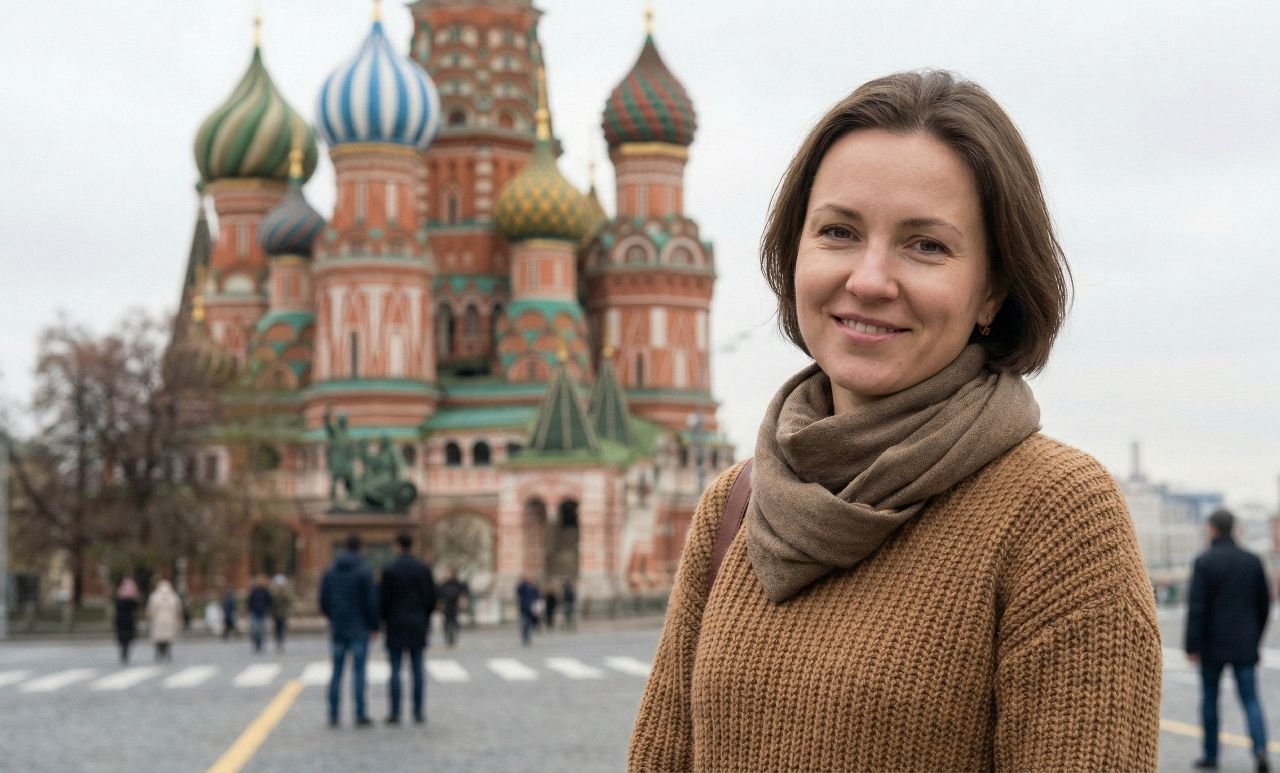
Anastasia is a Moscow-based travel blog writer who brings a local’s insight to one of the world’s most fascinating and misunderstood cities. Born and raised in Moscow, Russia, Anastasia shares an authentic, on-the-ground perspective on what it’s really like to explore the city beyond the postcards.
Her writing focuses on tourism in Moscow, practical guides for first-time visitors, and hidden corners that most travelers miss. In addition, Anastasia writes extensively about expat life in Moscow, covering everyday realities such as housing, transportation, cultural differences, and settling into life in the Russian capital.
As a solo traveler in her own city, she also documents Moscow through the lens of independence and curiosity — from navigating the metro alone at night to discovering cafés, museums, and neighborhoods that feel welcoming for solo visitors. Her work blends local knowledge with honest personal experience, helping travelers and expats alike feel more confident, informed, and inspired when discovering Moscow on their own terms.