
Renting in Moscow as a foreigner is very doable, but it works differently enough from renting in most Western cities that it’s worth understanding the process before you start looking.
Finding a place
Most rental listings in Moscow are found through Russian property platforms rather than international listing sites, and a local real estate agent (rieltor) is common even for renters, often paid a fee equivalent to a portion of one month’s rent by whichever side engages them. If your Russian is limited, working with an agent who speaks English will make the process considerably smoother, particularly for viewings and lease negotiation. Expect listings to describe apartments by room count using the Russian convention (a “one-room” apartment includes the kitchen as separate from the single living/bedroom space), which can read smaller than the equivalent Western listing until you get used to the terminology.
What you’ll need
Expect to provide your passport and visa or residency documentation, and be prepared for landlords to ask about your income or employment situation, much as they would anywhere. A deposit equivalent to one month’s rent is standard, sometimes combined with the final month’s rent paid upfront. Leases are commonly written for eleven months and then renewed, rather than a full year, which is a common enough local convention that it shouldn’t be read as a red flag on its own.
The registration obligation
This is the step that’s easy to miss and important not to. Any foreign national staying in private accommodation, rather than a hotel, must be registered with the migration authorities within seven working days of arrival, and it’s the property owner’s legal responsibility to handle this registration, not just the tenant’s. Before signing a lease, confirm the landlord understands and is willing to do this. A landlord who resists or seems unfamiliar with the requirement is a warning sign, not a minor detail to work around, since an unregistered stay is a problem for you, not just them, if it comes up at any point with the authorities.

Payment
Rent is typically paid in rubles, either in cash or by transfer within the Russian banking system, rather than through Western payment services or transfers from a foreign bank account, which brings the same infrastructure limitations covered elsewhere on this site. Factor this into your planning if your income is currently paid into a non-Russian account; see the guide on receiving international payments as a remote worker for the wider picture on that problem.
Furnished versus unfurnished
Most rentals aimed at foreign tenants come furnished, often fully so down to kitchenware, since short-to-medium-term renters rarely want to buy furniture for a lease they might not renew. Unfurnished apartments exist and are typically cheaper, but are more geared toward long-term local renters who plan to stay for years.
Choosing a neighbourhood
See the Best Neighborhoods to Stay in Moscow guide for an overview of areas that suit different priorities, whether that’s proximity to the centre, quieter residential streets, or easy metro access for a daily commute.
Frequently Asked Questions
Can I rent an apartment in Moscow without speaking Russian?
Yes, though it’s easier with an English-speaking agent, particularly for understanding lease terms and handling any issues that come up during the tenancy.
Who is responsible for registering me at a private address?
Legally, the property owner, though it’s very much in your interest to confirm they’ll actually do it before you sign anything.
Can I pay rent from a foreign bank account?
Not directly. Rent is paid in rubles within the Russian banking system, so plan around that rather than assuming a foreign transfer will work.
Written by Anastasia Ivanova, Moscow native and author at allaboutmoscow.com. Last updated April 2026.
Protecting Yourself as a Tenant
Renting as a foreigner is easier when you know what to ask. Insist on a written contract, check who actually owns the property, read the terms on deposits and utilities, and keep receipts for all payments. Be wary of landlords who ask for large payments before you have seen the apartment or who refuse to sign a contract. If possible, use a reputable agency or ask for advice from someone local.
Registration and Your Landlord
Foreign residents usually need to be registered at their address, and the landlord typically has a role in this. Agree in advance who will handle the paperwork and by when, and do not accept vague promises. Read our registration guide and our residency rules guide, and confirm the current rules with an official source.
Choosing a Neighborhood
- Distance to a metro station, which shapes daily life and travel time.
- Noise, light and the condition of the building.
- Nearby shops, pharmacies and clinics.
- Heating and hot water arrangements, which can affect comfort in winter.
See our neighborhood guide for an overview.
Short Stays and Other Options
For shorter visits, read our guide to Airbnbs. Money matters are covered in our payments guide, and see the living in Moscow hub for more. Seek advice from a qualified local professional for legal questions.
Frequently Asked Questions About Renting
Do I need to speak Russian?
It helps a lot, so consider a trusted translator or agent for contracts.
How do deposits work?
Ask for the terms in writing, including when and how the deposit is returned.
Can I break the lease?
Check the notice period and penalties before you sign.
Key Takeaways on Renting an Apartment
- Make sure you understand the legal status of your stay before you sign anything.
- Get a written agreement and keep copies of everything.
- Confirm who handles registration of your stay and in what time frame.
- Inspect the property and photograph its condition.
- Be careful with payments, and prefer traceable methods where possible.
Renting as a foreigner involves more paperwork than most people expect, and problems usually come from skipped steps. Take your time, ask questions and consider local advice before committing. Read our short-stay rental guide and our long-term stay guide. Rules change, so confirm requirements with official sources or a qualified professional.
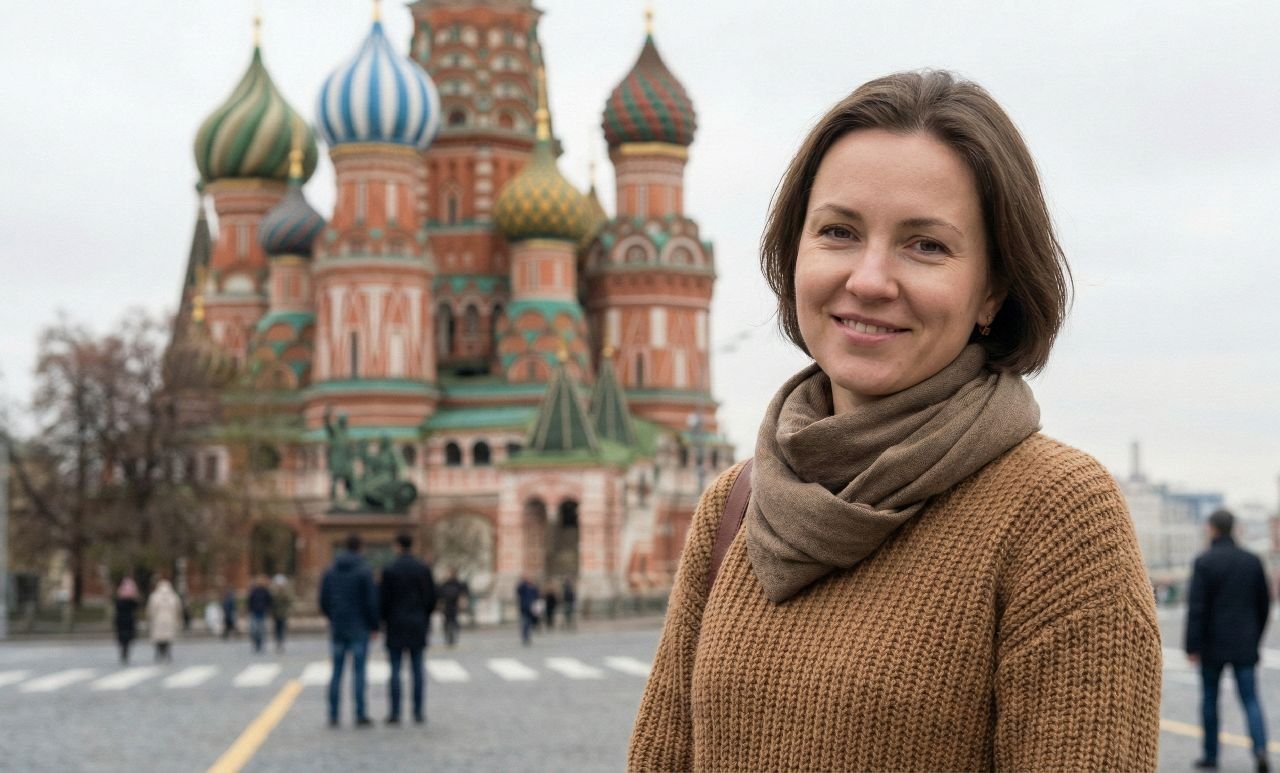
Anastasia is a Moscow-based travel blog writer who brings a local’s insight to one of the world’s most fascinating and misunderstood cities. Born and raised in Moscow, Russia, Anastasia shares an authentic, on-the-ground perspective on what it’s really like to explore the city beyond the postcards.
Her writing focuses on tourism in Moscow, practical guides for first-time visitors, and hidden corners that most travelers miss. In addition, Anastasia writes extensively about expat life in Moscow, covering everyday realities such as housing, transportation, cultural differences, and settling into life in the Russian capital.
As a solo traveler in her own city, she also documents Moscow through the lens of independence and curiosity — from navigating the metro alone at night to discovering cafés, museums, and neighborhoods that feel welcoming for solo visitors. Her work blends local knowledge with honest personal experience, helping travelers and expats alike feel more confident, informed, and inspired when discovering Moscow on their own terms.
[…] longer stays, see renting an apartment in Moscow as a foreigner, and for areas to stay see best neighborhoods and […]