
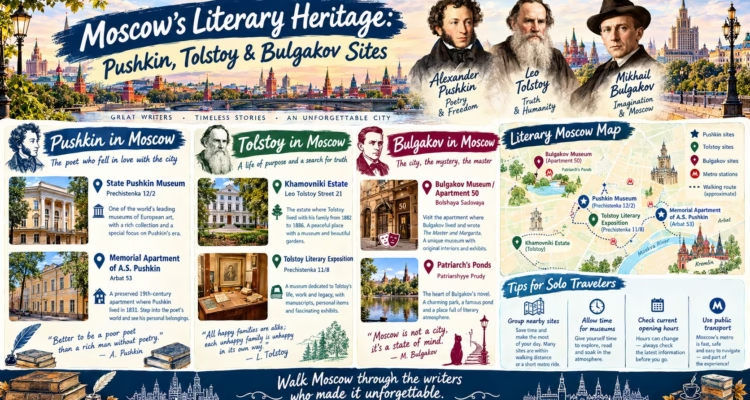
Moscow has shaped and been shaped by some of the most significant writers in world literature, and their presence is still visible across the city if you know where to look, well beyond the standard museum circuit.
Pushkin
Alexander Pushkin, generally regarded as Russia’s greatest poet, has a substantial presence in Moscow, including a well-known monument on Tverskaya Street that remains a popular meeting point for Muscovites to this day, and the site of informal poetry readings on his birthday each June. The apartment where he lived in the lead-up to his wedding is preserved as a museum, offering a glimpse into his life in the city beyond the poetry itself, furnished largely in the style of the period. Though born in Moscow, Pushkin spent much of his adult life elsewhere, which is part of why St Petersburg often claims an equally strong association with him, but his Moscow roots and this apartment museum give the city its own genuine claim.
Tolstoy
Leo Tolstoy’s Moscow house, where he and his family lived for a number of winters, is preserved as a museum furnished largely as it would have been during his lifetime. It offers a more domestic, personal view of Tolstoy than his literary reputation alone suggests, down to the rooms where War and Peace and Anna Karenina took shape, and personal items including his writing desk and the family’s furniture. The house sits in a quiet residential street that gives a sense of how the city’s wealthier residents lived away from the grander public buildings elsewhere.
Bulgakov
Mikhail Bulgakov’s The Master and Margarita is woven into Moscow’s geography as much as any book about the city, and Patriarch’s Ponds, the park where the novel’s opening scene unfolds, remains a pleasant and quiet spot worth visiting for the literary association alone, now surrounded by one of the more fashionable residential neighbourhoods in central Moscow. The apartment building on Bolshaya Sadovaya Street connected to Bulgakov and the novel has become an unofficial pilgrimage site for fans, with decades of fan graffiti in the stairwell alongside a small museum inside dedicated to his life and work; the graffiti itself has become part of the site’s identity rather than something the building tries to remove.

Other literary connections worth knowing
Anton Chekhov also lived in Moscow for periods of his life, and the city retains connections to Dostoevsky, who was born here even though his major novels are more strongly associated with St Petersburg. Moscow’s literary museums as a group tend to be smaller and more intimate than the grander historical sights, which makes them a good option if you want a quieter counterpoint to a day spent at Red Square or the Kremlin.
Putting it together
These sites aren’t clustered in one neighbourhood, so a dedicated literary walk works best as a loosely themed day rather than a tight route: start at Patriarch’s Ponds, take in the Bulgakov museum nearby, then work toward Tverskaya Street for the Pushkin monument and apartment museum. It’s a good way to see a quieter, more residential side of central Moscow between the bigger, busier sights.
Frequently Asked Questions
Is Pushkin more associated with Moscow or St Petersburg?
Both cities have a genuine claim. He was born in Moscow, where his apartment museum is, but spent much of his adult life and career connected to St Petersburg.
What is Patriarch’s Ponds known for?
It’s the setting of the opening scene of Bulgakov’s The Master and Margarita, and remains a popular, pleasant park in a fashionable central neighbourhood.
Are Moscow’s literary museums worth visiting if I only have a few days?
They’re a good option for a quieter day, but if time is very limited, prioritise Red Square and the Kremlin first and add a literary site only if you have a spare afternoon.
Written by Anastasia Ivanova, Moscow native and author at allaboutmoscow.com. Last updated April 2026.
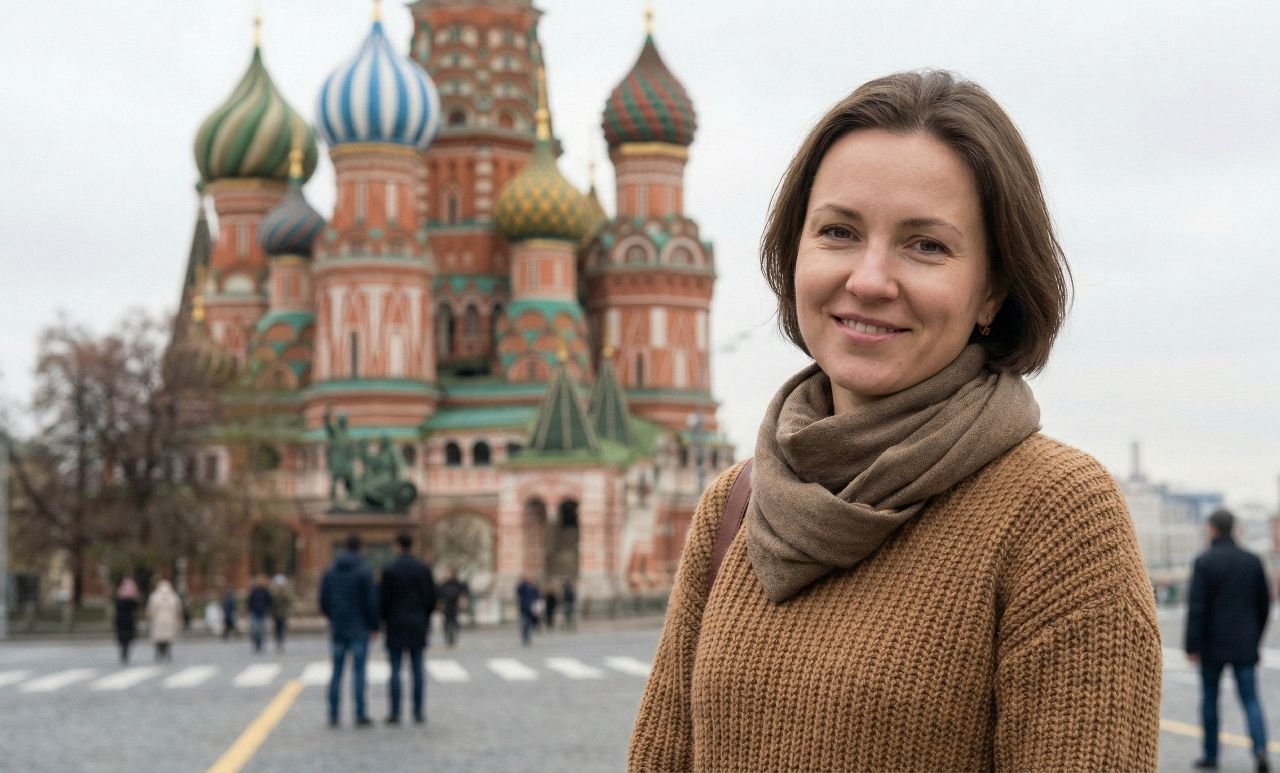
Anastasia is a Moscow-based travel blog writer who brings a local’s insight to one of the world’s most fascinating and misunderstood cities. Born and raised in Moscow, Russia, Anastasia shares an authentic, on-the-ground perspective on what it’s really like to explore the city beyond the postcards.
Her writing focuses on tourism in Moscow, practical guides for first-time visitors, and hidden corners that most travelers miss. In addition, Anastasia writes extensively about expat life in Moscow, covering everyday realities such as housing, transportation, cultural differences, and settling into life in the Russian capital.
As a solo traveler in her own city, she also documents Moscow through the lens of independence and curiosity — from navigating the metro alone at night to discovering cafés, museums, and neighborhoods that feel welcoming for solo visitors. Her work blends local knowledge with honest personal experience, helping travelers and expats alike feel more confident, informed, and inspired when discovering Moscow on their own terms.