

Budgeting for Moscow works differently to most European trips right now, for one simple reason: you’re planning in cash, not on a card you can top up as you go. That makes it more important than usual to work out a realistic daily figure before you leave home, rather than adjusting on the fly.
Rough daily costs, by travel style
These are approximate figures in rubles, useful for planning rather than exact; check the current ruble exchange rate close to your trip, since it has been volatile since 2022.
- Budget: a hostel or basic hotel (3,000–5,000 rubles/night), metro and self-catered or cheap meals (65 rubles per metro ride; 800–1,500 rubles for a modest restaurant meal), minimal extras
- Mid-range: a comfortable hotel (7,000–15,000 rubles/night), a mix of sit-down meals and cafes, occasional taxis or ride-hailing on top of the metro
- Comfortable: higher-end hotels, regular restaurant dining, museum and Kremlin tickets without much cost-cutting, ride-hailing as the default over the metro
What to add on top of daily spend
- Visa costs: the invitation letter, application fee and processing all carry separate charges before you even travel
- Travel insurance: required for the visa, typically a modest fixed cost for the length of your stay
- Museum and attraction tickets: the Kremlin’s Armoury and major museums charge separately from general admission, and can add up if you’re visiting several
- Airport transfer: budget for this separately from your daily spend, especially if you land without a Russian SIM or app access set up yet
- Souvenirs and gifts: easy to underestimate, particularly if matryoshka dolls or amber jewellery catch your eye
Where your money goes furthest
Public transport is the standout value in Moscow: a metro ride costs a fraction of the equivalent in most Western European capitals, and a Troika card makes it cheaper still. Museum entry, theatre tickets and a sit-down meal at a mid-range restaurant also tend to cost noticeably less than the equivalent in London, Paris or Berlin, which can make a comfortable-tier Moscow trip cost roughly what a budget-tier trip would elsewhere, cash logistics aside.
How much cash to actually bring
Calculate your expected daily spend across your whole trip, then add at least 20 to 30 percent on top as a buffer. Since you can’t top up from an ATM with a foreign card once you’re here, running short is a much bigger problem in Moscow than it would be somewhere your card still works. Bring the bulk of your cash in euros or US dollars, in clean, undamaged notes, since worn or older-series bills are sometimes refused at exchange bureaux. Exchange what you need for the first day or two at the airport if necessary, accepting the poorer rate, then do the bulk of your exchanging at a bank branch once you’re settled, where rates are consistently better.

Keeping it safe
Carrying a trip’s worth of cash is a genuine change in habit for most Western visitors. Split it between a money belt or inside clothing and a smaller amount for daily spending, rather than carrying it all in one bag or pocket, and keep a mental note of how much you’re carrying so a lost wallet doesn’t turn into a lost trip.
Frequently Asked Questions
How much should I budget per day in Moscow?
Roughly 2,000-4,000 rubles a day for a budget trip, more for mid-range or comfortable travel. Add a 20-30 percent cash buffer on top of your estimate.
Is Moscow cheaper than Western European capitals?
For transport, museums and dining, generally yes. The main added cost is visa and insurance requirements that most Western European trips don’t carry.
Should I bring dollars or euros?
Either works well; bring clean, undamaged notes, since worn or older bills are sometimes refused at exchange bureaux.
Written by Anastasia Ivanova, Moscow native and author at allaboutmoscow.com. Last updated April 2026.
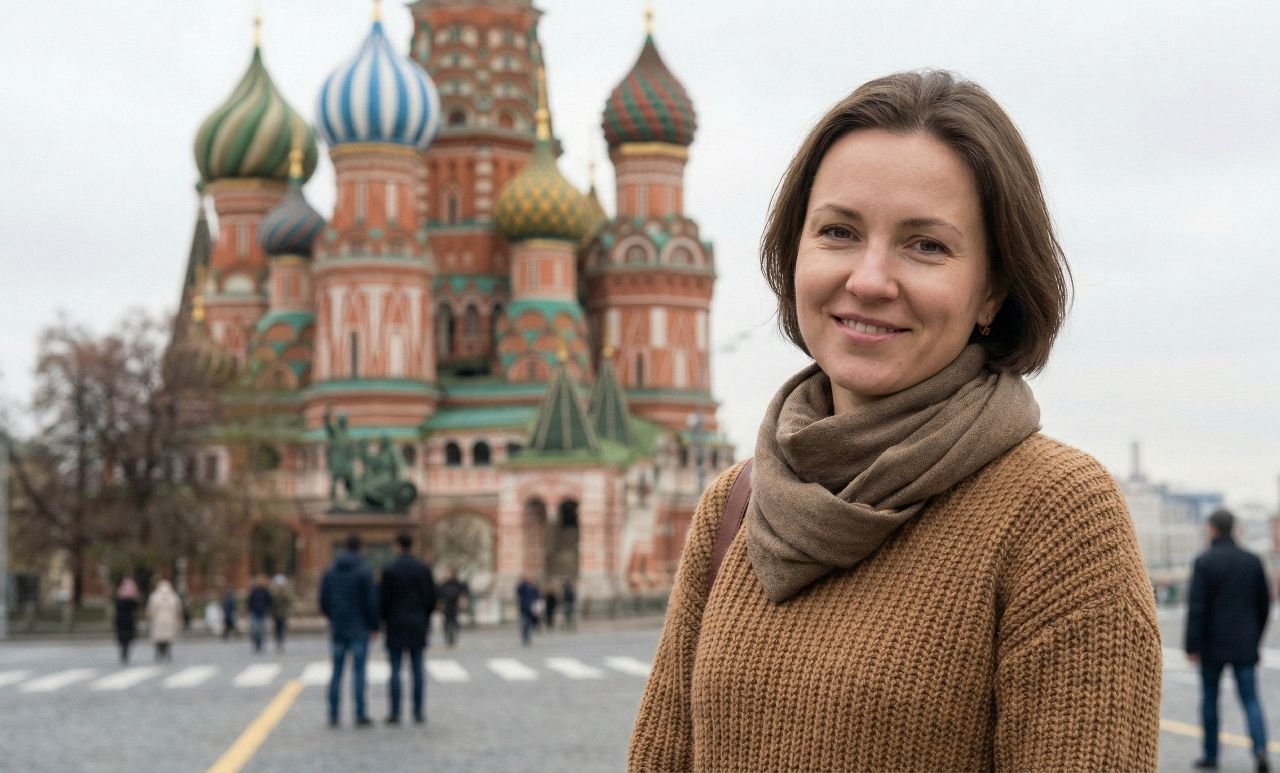
Anastasia is a Moscow-based travel blog writer who brings a local’s insight to one of the world’s most fascinating and misunderstood cities. Born and raised in Moscow, Russia, Anastasia shares an authentic, on-the-ground perspective on what it’s really like to explore the city beyond the postcards.
Her writing focuses on tourism in Moscow, practical guides for first-time visitors, and hidden corners that most travelers miss. In addition, Anastasia writes extensively about expat life in Moscow, covering everyday realities such as housing, transportation, cultural differences, and settling into life in the Russian capital.
As a solo traveler in her own city, she also documents Moscow through the lens of independence and curiosity — from navigating the metro alone at night to discovering cafés, museums, and neighborhoods that feel welcoming for solo visitors. Her work blends local knowledge with honest personal experience, helping travelers and expats alike feel more confident, informed, and inspired when discovering Moscow on their own terms.