
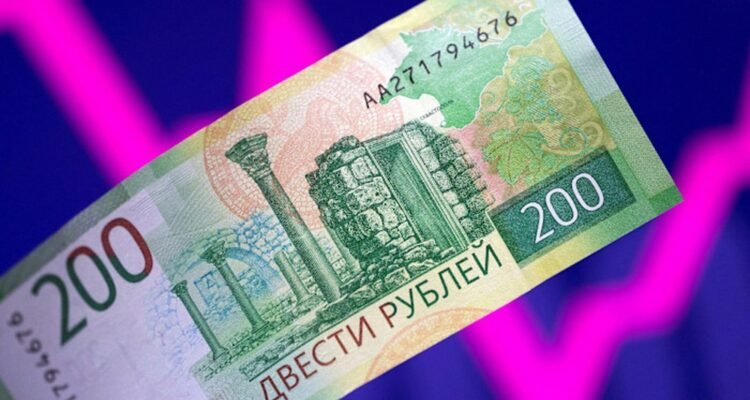
The currency is the Russian ruble (RUB), and cash is the honest answer to almost every payment question you’ll have here in 2026.
This is the single most important thing to plan around before your trip.
Cards: what actually works
Foreign-issued Visa, Mastercard and American Express cards do not work in Russia, due to sanctions, and that includes withdrawing cash from ATMs. Apple Pay and Google Pay are unavailable for the same reason. UnionPay cards, issued mostly in China, do work in many hotels, shops and restaurants, and a Mir-network card (Russia’s domestic network) works everywhere. For most Western visitors, though, cash is the plan, not the backup.
Bringing and exchanging cash
Bring US dollars or euros in clean, undamaged notes — older or worn bills are sometimes refused at exchange bureaux. Airport exchange counters are convenient for your first day but offer weaker rates; do the bulk of your exchanging at a bank branch or official exchange office in the city once you’re settled. Avoid street exchangers entirely.

How much to carry
Since you can’t top up from an ATM with a foreign card, running short of cash is a bigger problem here than it would be almost anywhere else in Europe. Split your cash between a money belt and a smaller amount for daily spending, rather than carrying it all in one place.
Frequently Asked Questions
Can I use my Visa or Mastercard in Moscow?
No. Foreign-issued Visa, Mastercard and American Express do not work in Russia due to sanctions, including at ATMs. Plan to pay in cash.
Does Apple Pay or Google Pay work in Moscow?
No, neither is available in Russia.
What currency should I bring?
US dollars or euros in clean, undamaged notes, to exchange for rubles once you arrive.
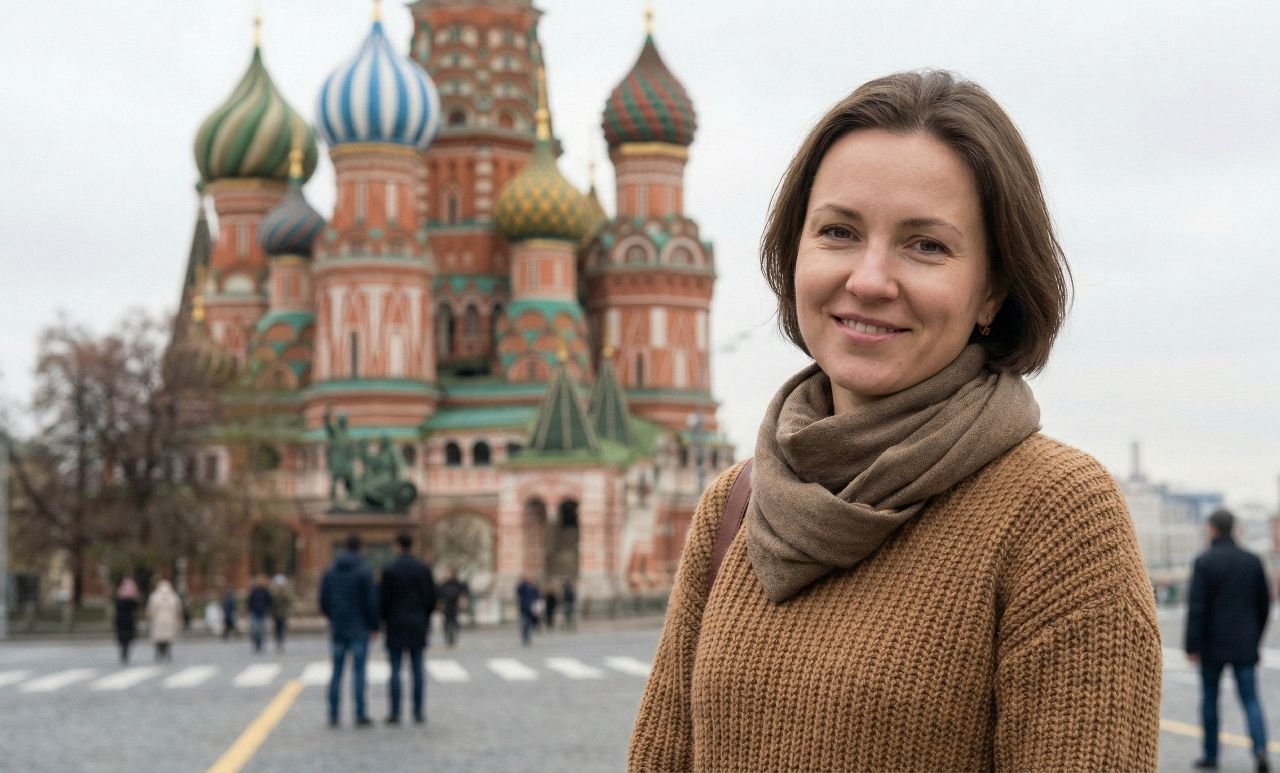
Anastasia is a Moscow-based travel blog writer who brings a local’s insight to one of the world’s most fascinating and misunderstood cities. Born and raised in Moscow, Russia, Anastasia shares an authentic, on-the-ground perspective on what it’s really like to explore the city beyond the postcards.
Her writing focuses on tourism in Moscow, practical guides for first-time visitors, and hidden corners that most travelers miss. In addition, Anastasia writes extensively about expat life in Moscow, covering everyday realities such as housing, transportation, cultural differences, and settling into life in the Russian capital.
As a solo traveler in her own city, she also documents Moscow through the lens of independence and curiosity — from navigating the metro alone at night to discovering cafés, museums, and neighborhoods that feel welcoming for solo visitors. Her work blends local knowledge with honest personal experience, helping travelers and expats alike feel more confident, informed, and inspired when discovering Moscow on their own terms.