

Planning a trip to Moscow? Before you pack your bags and book your flights, there’s one crucial step you can’t afford to skip: getting the right vaccinations.
Protecting your health while traveling is key to enjoying your visit without unexpected setbacks. You might not realize it, but Moscow has specific health risks that require certain immunizations to keep you safe. You’ll discover exactly which vaccinations are needed before traveling to Moscow, why they matter, and how to prepare yourself for a smooth, worry-free experience.
Keep reading to ensure your journey to Russia starts off on the right foot.

Credit: ocula.com

Required Vaccines
Before traveling to Moscow, Russia, certain vaccines are necessary to protect your health. Vaccinations help prevent common and serious diseases you might encounter. Knowing which vaccines are required ensures a safe and healthy trip.
Routine Immunizations
Make sure all routine vaccines are up to date. These include measles-mumps-rubella (MMR), diphtheria-tetanus-pertussis, varicella, polio, and your yearly flu shot. Routine immunizations protect against diseases found worldwide.
Hepatitis A And B
Hepatitis A vaccine is essential because the virus spreads through contaminated food or water. Hepatitis B spreads through blood and bodily fluids. Both vaccines provide strong protection, especially for travelers staying longer or visiting rural areas.
Rabies
Rabies is present in Russia, mainly in wild animals like bats and foxes. The rabies vaccine is recommended for travelers who plan outdoor activities or contact with animals. Pre-exposure vaccination helps prevent severe illness after a bite or scratch.
Measles, Mumps, Rubella
Measles outbreaks occur worldwide, including Russia. Ensure you have received two doses of the MMR vaccine. This vaccine prevents measles, mumps, and rubella, which are highly contagious and can cause serious health problems.
Japanese Encephalitis
Japanese encephalitis risk is low in Moscow but higher in rural areas of Russia. This vaccine is advised for travelers spending a long time outdoors or in agricultural zones. Protect yourself from this mosquito-borne disease, which can cause brain inflammation.
Health Risks In Moscow
Traveling to Moscow involves understanding specific health risks. Awareness helps protect your well-being. Moscow’s climate, environment, and urban setting influence health challenges. Preparing with the right vaccinations reduces illness chances.
Common Infectious Diseases
Moscow has risks of infectious diseases like hepatitis A and B. These spread through contaminated food, water, or contact with infected people. Tuberculosis also remains a concern, especially in crowded places. Measles outbreaks can occur, so vaccination is important. Travelers should ensure their routine vaccines are up to date.
Seasonal Illnesses
Flu and respiratory infections rise in Moscow’s cold months. Winter temperatures often drop below freezing, increasing vulnerability. Colds spread easily in public transport and crowded areas. Getting a flu shot before traveling can help. Stay warm and practice good hygiene to avoid seasonal illnesses.
Mosquito-borne Infections
Mosquitoes in Moscow can carry diseases like West Nile virus. These infections peak during summer and early autumn. Use insect repellent and wear long sleeves to reduce bites. Avoid outdoor activities at dawn and dusk when mosquitoes are most active. Protecting yourself lowers the risk of mosquito-borne diseases.
Pre-travel Health Preparations
Preparing your health before traveling to Moscow is essential. Proper health steps reduce risks and help you enjoy your trip. Focus on medical checkups, vaccination timing, and packing a travel health kit. These steps protect you from common illnesses and emergencies abroad.
Medical Checkups
Visit your doctor at least one month before travel. Discuss your travel plans and health history clearly. The doctor can check if you need vaccines or medicines. Also, review any chronic conditions and how to manage them while away. Early checkups give time to address health issues before departure.
Vaccination Timing
Get recommended vaccines well before your trip. Some vaccines need multiple doses spaced over weeks. Starting early ensures full protection by travel day. Common vaccines for Moscow travel include hepatitis A, hepatitis B, and tetanus. Check for any additional shots based on your health and activities planned.
Travel Health Kit Essentials
Prepare a basic health kit for your trip. Include pain relievers, bandages, antiseptic wipes, and any prescribed medicines. Add items like insect repellent and sunscreen for extra protection. A well-packed kit helps manage minor health issues quickly. It reduces the need to find medicine in a foreign place.
Entry Requirements For Russia
Traveling to Moscow, Russia requires careful preparation. Understanding entry requirements is crucial for a smooth trip. These rules cover visas, passports, health documents, and security checks. Knowing them helps avoid delays or denied entry. This guide explains the key points every traveler must know before arriving in Russia.
Visa And Passport Rules
All travelers to Russia need a valid visa. The visa type depends on your visit purpose. Tourist visas are common for short stays. Your passport must be valid for at least six months beyond your planned departure date. Carry a printed visa invitation or confirmation. Entry without the proper visa will result in denial.
Health Documentation
Russia requires proof of certain vaccinations. A COVID-19 vaccination certificate may be needed. Some travelers must show immunization against diseases like measles or hepatitis B. Carry official health records with you. Check the latest health requirements before travel, as rules can change quickly. Health documents speed up the entry process.
Customs And Security Checks
At customs, declare items like currency over the limit or restricted goods. Security checks include baggage screening and questioning. Follow all instructions from officials. Do not carry prohibited items such as drugs or weapons. Prepare for thorough inspections, especially at major airports. Cooperation ensures a faster entry process.
Safety Considerations
Traveling to Moscow requires careful attention to safety. Knowing the risks and precautions helps protect your health and well-being. Vaccinations are important, but so is understanding the current security situation. Stay informed and prepared for a safe journey.
Current Travel Advisories
Many governments advise against travel to Moscow. The U.S. Department of State warns about high risks of terrorism and conflict. Australia and the U.K. also recommend avoiding travel due to security concerns. Check official websites for the latest updates before planning your trip.
Security Risks In Moscow
Terrorism threats exist in public and tourist areas. There is also a risk of arbitrary detention, especially for foreigners. The ongoing conflict with Ukraine increases instability, with possible drone attacks. Carry your identification and follow local laws strictly to avoid trouble.
Emergency Contacts
Keep important emergency numbers handy. The local police can be reached at 102. For medical emergencies, dial 103. Contact your country’s embassy for assistance. Having these contacts saved in your phone ensures quick help if needed.

Credit: travel.gc.ca
Post-travel Health Tips
After returning from Moscow, Russia, taking care of your health remains crucial. Post-travel health tips help detect any illness early and prevent spreading infections to others. Watch your body closely for any unusual signs or symptoms.
Monitoring Symptoms
Check your health daily for at least two weeks after travel. Common symptoms include fever, cough, rash, or stomach upset. Note any persistent or worsening symptoms. Keep a health diary to track changes and share with your doctor if needed.
When To Seek Medical Help
Visit a healthcare provider if you experience high fever, severe headaches, or difficulty breathing. Also, seek help for rashes, swelling, or unexplained pain. Mention your recent trip to Moscow to help doctors make the right diagnosis.
Reporting Illnesses
Report any unusual illness to your local health department promptly. This helps track disease outbreaks and protect public health. Inform your travel clinic about any diagnosis related to your trip. Early reporting supports better care for you and others.
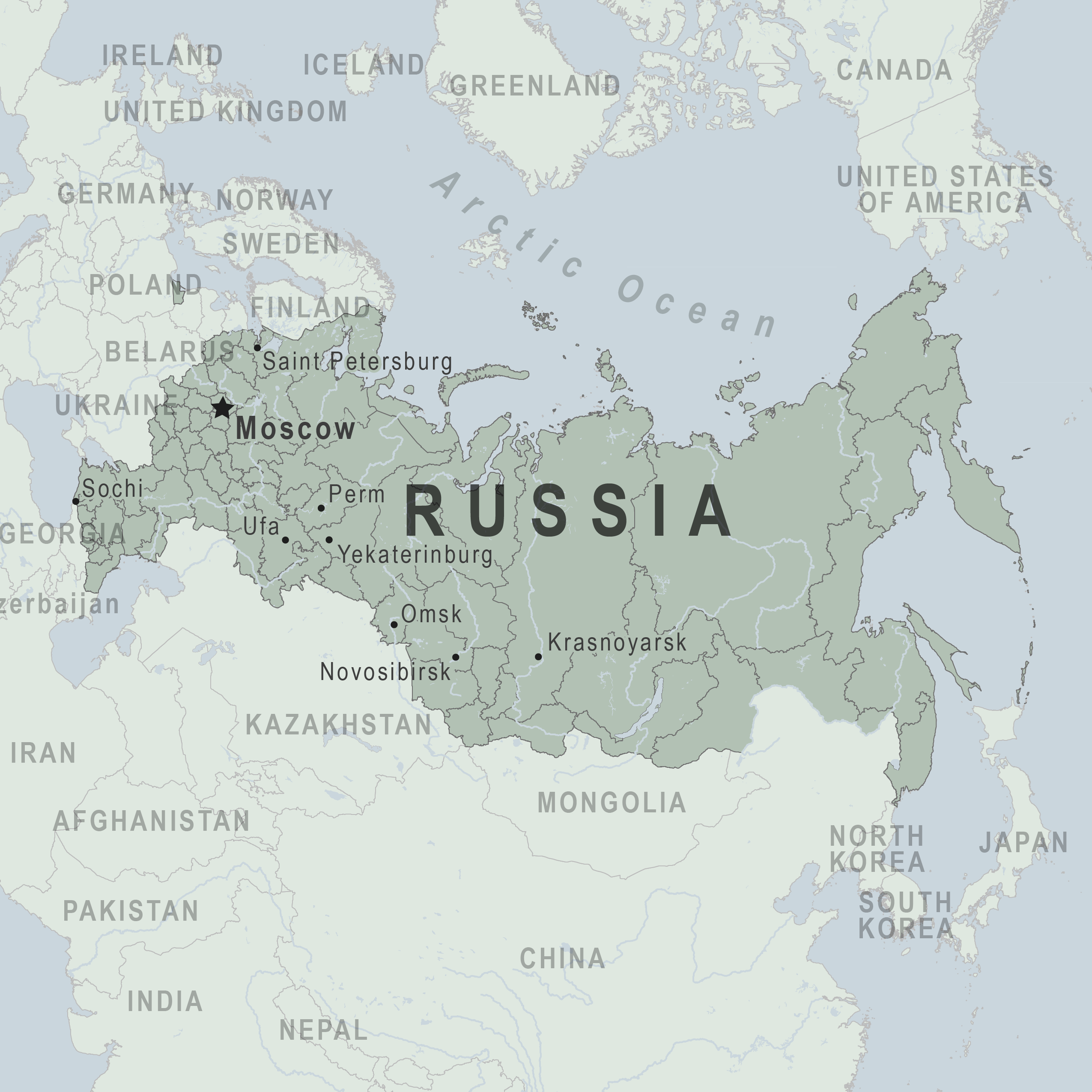
Credit: wwwnc.cdc.gov
Frequently Asked Questions
What Vaccines Are Needed To Travel To Russia?
Travelers to Russia should have routine vaccines like measles, mumps, rubella, and hepatitis B. Yellow fever vaccination is needed if arriving from infected areas. Consider rabies and Japanese encephalitis vaccines based on travel plans. Consult a healthcare provider for personalized advice before traveling.
Is It Safe To Travel To Moscow Right Now?
It is currently unsafe to travel to Moscow due to high security risks, ongoing conflict, and official government travel bans.
What Is Required To Go To Russia?
To enter Russia, U. S. citizens need a valid passport and a visa. Vaccinations are recommended but not mandatory. Follow current travel advisories due to safety concerns. Carry all necessary documents and comply with Russian entry regulations. Check official sources for updates before traveling.
Can Tourists Enter Russia Now?
Tourists can enter Russia, but many countries advise against travel due to security risks. Check current entry rules and advisories before planning your trip.
Conclusion
Preparing the right vaccinations protects your health in Moscow. Plan ahead and consult a healthcare provider for updates. Stay safe by following vaccine recommendations carefully. Vaccines reduce risks of common travel illnesses significantly. Taking these steps helps you enjoy your trip with peace.
Remember, health is key to a smooth travel experience. Stay informed and make your travel safer and healthier.
Anastasia is a Moscow-based travel blog writer who brings a local’s insight to one of the world’s most fascinating and misunderstood cities. Born and raised in Moscow, Russia, Anastasia shares an authentic, on-the-ground perspective on what it’s really like to explore the city beyond the postcards.
Her writing focuses on tourism in Moscow, practical guides for first-time visitors, and hidden corners that most travelers miss. In addition, Anastasia writes extensively about expat life in Moscow, covering everyday realities such as housing, transportation, cultural differences, and settling into life in the Russian capital.
As a solo traveler in her own city, she also documents Moscow through the lens of independence and curiosity — from navigating the metro alone at night to discovering cafés, museums, and neighborhoods that feel welcoming for solo visitors. Her work blends local knowledge with honest personal experience, helping travelers and expats alike feel more confident, informed, and inspired when discovering Moscow on their own terms.