
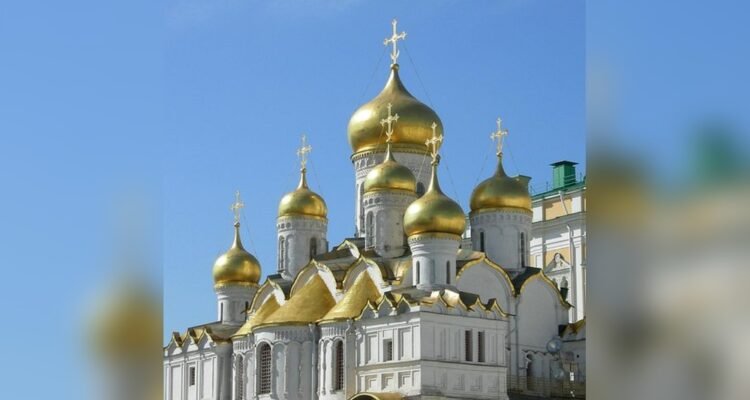
Moscow’s museums range from the royal treasures of the Kremlin to Russian and European art and space history. Opening hours, ticket rules and exhibitions change, so check each museum’s official site before you go.
Art
- State Tretyakov Gallery: the main collection of Russian art, from icons to the 19th-century masters. Its New Tretyakov branch on Krymsky Val covers the 20th century.
- Pushkin State Museum of Fine Arts: European art and antiquities.
- Garage Museum of Contemporary Art: contemporary exhibitions, in Gorky Park.
History and the Kremlin
- Moscow Kremlin museums, including the Armoury Chamber: tsarist regalia, carriages and craftsmanship. Entry rules at the Kremlin can differ from other sites, so check current access. See our Red Square and Kremlin guide.
- State Historical Museum: on Red Square, covering Russian history from prehistory.
- Victory Museum: on the Second World War, at Poklonnaya Hill.
- Kolomenskoye, Tsaritsyno and Kuskovo: historic estates and parks with museums, worth a half day each. See a short history of Moscow.
Science, space and other
- Memorial Museum of Cosmonautics: Soviet and Russian space history.
- Darwin Museum and Paleontological Museum: natural history.
- Experimentanium: a hands-on science museum that suits families. See Moscow with kids.
Visitor tips
- Buy tickets from the official site or at the museum when you can, and check whether foreign visitors pay different prices.
- Most museums close one day a week, often Monday, so confirm before planning.
- Foreign cards generally do not work; carry cash for tickets and plan for it. See paying in Moscow.
- Weekday mornings are quieter.
For wider sightseeing, see our things to do in Moscow and the culture and history guide.
Frequently asked questions
What is the most famous museum in Moscow?
The Tretyakov Gallery for Russian art, and the Kremlin museums for history.
What is the most famous museum in Russia?
The Hermitage in Saint Petersburg.

How to Choose Which Museums to Visit
Moscow has far more museums than one trip can cover, so it helps to decide on a theme. If you love painting, plan around the large national collections of Russian and European art. If history is your interest, combine the Kremlin museums with the State Historical Museum near Red Square. Families may prefer science, space and natural history, while visitors with a taste for modern work can look for contemporary art centers. Choose two or three, rather than trying to see everything.
Planning Your Day
- Group museums that sit near one another to cut down on travel time.
- Check opening days on the official website, since many museums close one day a week and hours change seasonally.
- Arrive early, especially at popular venues, to avoid queues.
- Look into online tickets where available, but remember that payment from a foreign card may not work, so ask how foreign visitors can pay.
- Leave bags and coats in the cloakroom, which is standard practice and often required.
Museum Etiquette
Cloakrooms are part of museum culture in Russia, and staff may ask you to check coats and larger bags before you enter. Photography rules differ by museum and by hall, and some places charge a separate fee for taking photos or ask you not to use flash. Museum attendants are used to guiding visitors, so do not be surprised if they remind you to keep a distance from the exhibits. A few phrases from our Russian language basics guide will go a long way.
Combining Museums With Other Sights
Museums are easy to pair with a walk or a meal. After the Kremlin, you can walk through nearby streets and squares, as in our Red Square and Kremlin guide. For a break from galleries, try the stations described in our metro architecture tour, which function as a free museum underground. For more ideas, see our must-see attractions and the things to do hub.
Check Before You Go
Exhibitions rotate, buildings close for renovation, and visiting rules can change. Always check the museum’s official website or a trusted local source for current hours, ticketing and any temporary closures before you travel across the city.
Frequently Asked Questions About Museum Visits
Do museums in Moscow have English labels?
Larger, well-known museums often provide some English signage, audio guides or printed information, while smaller house museums may not. If the language is a concern, ask at the ticket desk, download a translation app with offline packs or book a guided tour in English. Details change, so check before you go.
What should I know about opening days and tickets?
Many museums close one day a week and some close early on certain days, and popular exhibitions may have timed entry. Check the official website or ask your hotel, and buy tickets from the museum itself or an authorized seller.
Can I take photos?
Rules vary by museum and exhibit. Some allow photography without flash, some charge a fee for it and some forbid it, so look for signs and follow staff instructions.
Visiting Tips
- Expect a cloakroom, where you leave coats and large bags, especially in winter.
- Carry cash, since foreign cards generally do not work at ticket desks.
- Arrive early to avoid queues and the busiest hours.
- Wear comfortable shoes, since museums involve a lot of standing and walking.
- Do not try to cover more than one or two large museums in a day.
Planning Around Museums
Museums make good plans for cold or rainy days. Combine them with a meal from our budget food guide or a tea break from our tea guide. For history and context, read our short history of Moscow and our literary heritage guide. See the things to do hub and culture hub for more ideas.
Key Takeaways on Museums
- Pick a few museums that match your interests rather than trying to see everything.
- Check opening days and closures before you go.
- Arrive early or late in the day to avoid crowds.
- Carry ID and leave large bags at the cloakroom.
- Allow time for a cafe stop.
Museum days are easy to enjoy when you set a realistic pace. Read our ballet and music guide and our literary guide.
Anastasia is a Moscow-based travel blog writer who brings a local’s insight to one of the world’s most fascinating and misunderstood cities. Born and raised in Moscow, Russia, Anastasia shares an authentic, on-the-ground perspective on what it’s really like to explore the city beyond the postcards.
Her writing focuses on tourism in Moscow, practical guides for first-time visitors, and hidden corners that most travelers miss. In addition, Anastasia writes extensively about expat life in Moscow, covering everyday realities such as housing, transportation, cultural differences, and settling into life in the Russian capital.
As a solo traveler in her own city, she also documents Moscow through the lens of independence and curiosity — from navigating the metro alone at night to discovering cafés, museums, and neighborhoods that feel welcoming for solo visitors. Her work blends local knowledge with honest personal experience, helping travelers and expats alike feel more confident, informed, and inspired when discovering Moscow on their own terms.
[…] Tretyakov Gallery and Pushkin Museum: see the best museums. […]