
If you’re weighing up whether to base yourself in Moscow as a remote worker, this is the article to read before any of the visa guides. The visa question is solvable. The payment question is the one that actually determines whether working from Moscow for Western clients is realistic.
What doesn’t work, as of 2026
- PayPal suspended its Russian operations in March 2022 and has not returned
- Wise does not support Russian bank accounts, sending or receiving
- Revolut does not operate in Russia
- Stripe does not support Russian-based businesses
- Most major freelance platforms, including Upwork and Fiverr, restrict or have banned Russian account access
Beyond the specific platforms, standard SWIFT transfers from banks in the EU, UK and US to Russian accounts are blocked for banks caught by sanctions, which covers most of the major Russian banking names. This is the core of the problem: the payment rails that connect Western clients to Russian bank accounts have been substantially cut, not just inconvenienced.
What still has some room to work
Transfers routed through banks in countries that haven’t joined the Western sanctions coalition, such as Turkey, the UAE or Kazakhstan, can sometimes still reach a Russian account, depending on the specific banks involved on both ends. This is inconsistent, bank-specific, and changes without much notice, so it isn’t something to plan a business around without checking your exact route first. If your clients are themselves outside the Western sanctions coalition and already pay in a currency other than USD, EUR or GBP, the practical obstacles are generally smaller.
A foreign account as the more durable fix
Most people who make this work long-term do it by keeping a bank account open somewhere outside Russia, opened before they left or maintained through a relationship in another country, and having clients pay into that instead of a Russian account. Money then gets moved to Russia in smaller amounts as needed, through whichever route is currently working, rather than routing every invoice directly into a Russian bank. This adds a layer of admin and currency conversion cost, but it’s the closest thing to a stable setup that people in this position actually report using.

Cryptocurrency, cautiously
Some freelancers use cryptocurrency as an intermediate step, converting to crypto abroad and then to rubles once in Russia. The regulatory and tax treatment of this is genuinely unsettled and shifts with little warning, and it isn’t something to build a business around without professional advice specific to your situation. Mentioning it here as a reality some people use, not as a recommendation.
What this means in practice
A remote worker with Western clients who invoice and pay through PayPal, Wise or a standard USD/EUR bank transfer will hit a genuine wall trying to receive that money into a Russian account. This isn’t a matter of finding the right workaround; it’s a structural feature of the current sanctions environment, and it can change again with little warning as new measures are introduced. Anyone seriously considering this should talk to a professional, both a Russian tax adviser and someone with current knowledge of cross-border payment compliance, before assuming a specific payment route will keep working through the length of a lease or a contract.
Who this doesn’t affect
Russian nationals and residents paid by Russian or non-Western clients, in rubles or another non-sanctioned currency, generally don’t run into this problem. It’s specifically the combination of a Russian bank account and Western-sourced income in USD, EUR or GBP that has become difficult since 2022.
Frequently Asked Questions
Can I still use PayPal in Russia?
No. PayPal suspended Russian operations in March 2022 and has not returned.
Does Wise work for freelancers based in Russia?
No. Wise does not support sending to or from Russian bank accounts.
What actually works for getting paid while living in Russia?
Most commonly, a foreign bank account held outside Russia that clients pay into, with funds moved to Russia separately as needed. There’s no fully reliable single solution, so talk to a professional before committing to a specific route.
Written by Anastasia Ivanova, Moscow native and author at allaboutmoscow.com. Last updated April 2026.
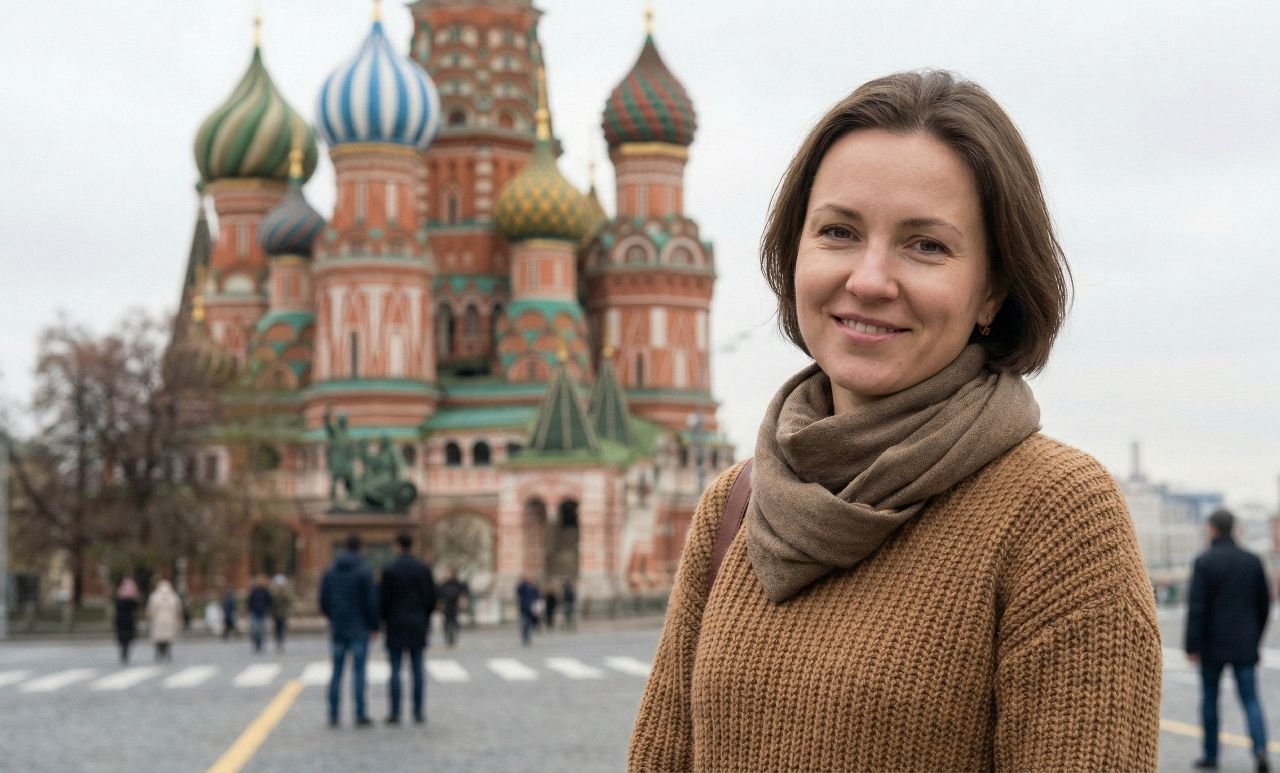
Anastasia is a Moscow-based travel blog writer who brings a local’s insight to one of the world’s most fascinating and misunderstood cities. Born and raised in Moscow, Russia, Anastasia shares an authentic, on-the-ground perspective on what it’s really like to explore the city beyond the postcards.
Her writing focuses on tourism in Moscow, practical guides for first-time visitors, and hidden corners that most travelers miss. In addition, Anastasia writes extensively about expat life in Moscow, covering everyday realities such as housing, transportation, cultural differences, and settling into life in the Russian capital.
As a solo traveler in her own city, she also documents Moscow through the lens of independence and curiosity — from navigating the metro alone at night to discovering cafés, museums, and neighborhoods that feel welcoming for solo visitors. Her work blends local knowledge with honest personal experience, helping travelers and expats alike feel more confident, informed, and inspired when discovering Moscow on their own terms.