
This is the piece of advice I give every visitor, regardless of how long they’re staying or what else is on their list: spend an afternoon riding the metro for its own sake. Moscow’s metro system was built in the 1930s and 40s as a showcase for the Soviet state, and the stations on the older lines were designed and decorated by leading architects and artists of the era. Marble, mosaics, chandeliers and bronze sculpture in a working transit system, all accessible for whatever a single ride costs. Unlike almost everything else on this site, none of it has been affected by anything that’s happened since 2022.
Komsomolskaya
Widely considered the most extravagant station on the network. Expect a soaring Baroque-style ceiling, rows of marble columns and large mosaic panels depicting historic moments in Russian military history. It sits beneath Komsomolskaya Square, where three of Moscow’s main railway stations meet, so it’s genuinely busy at rush hour; visit mid-afternoon or later in the evening if you want time to look around properly.
Mayakovskaya
A complete change of style: art deco steel columns, patterned flooring and a ceiling of small mosaic panels depicting a day in the Soviet sky. It’s an earlier, pre-war station and reads as noticeably more modern than the postwar palaces elsewhere on the list. It also served as a bomb shelter and briefly as a wartime bunker, which is a detail worth knowing as you look up at the ceiling.
Ploshchad Revolyutsii
Known for its bronze statues, seventy-six of them, set into arches along the platform, depicting soldiers, workers, farmers, athletes and more from Soviet life. A long-standing tradition holds that rubbing certain statues, the nose of the border guard’s dog is the best-known, brings good luck, and you can tell which ones by the polished bronze shining through against the darker patina elsewhere on the same figure.

Novoslobodskaya
The one that surprises people most. Dozens of backlit stained-glass panels line the platform, set in brass borders, and the effect is closer to a chapel than a train station. It’s on the Circle Line, so it’s easy to add to a loop that also takes in Komsomolskaya and Kievskaya.
Kievskaya
Also on the Circle Line, decorated with large mosaics and murals on Russian and Ukrainian historical themes. Worth pairing with Novoslobodskaya on the same trip, since they’re a short ride apart.
Park Pobedy
The deepest station on the network, and one of the deepest metro stations anywhere in the world. Getting down to the platform involves one of the longest escalator rides in Europe, which is an experience in itself even before you see the station’s large war-themed mosaic panels.
Arbatskaya
Set right in the historic centre, within easy walking distance of the Kremlin, Red Square and the Arbat pedestrian street, which makes it an easy stop to fold into a day of sightseeing rather than a dedicated detour.
Doing this as a self-guided tour
A Troika card covers the whole trip; buy or top one up at any station. There’s no need to exit and re-enter at each stop; you can simply get off, look around the platform level, and continue to the next station on the same ticket, as long as you don’t pass back through a ticket barrier. A reasonable loop starts at Komsomolskaya, continues to Mayakovskaya, then joins the Circle Line for Novoslobodskaya and Kievskaya, before finishing at Park Pobedy or Arbatskaya depending on how much time and energy you have left. Photography for personal use is generally fine, though it’s worth being considerate of other passengers and avoiding flash or a tripod during busy periods. Mid-morning on a weekday, after the morning rush, is usually the quietest window to see these stations properly.
Frequently Asked Questions
Do I need a special ticket to see the metro stations?
No. A standard Troika card or single ticket covers the whole tour, since you’re just riding the ordinary network.
Which is the single most impressive station?
Most visitors and locals alike point to Komsomolskaya for its scale and detail, though Novoslobodskaya’s stained glass surprises people the most since it doesn’t get talked about as often.
Can I take photos in the metro?
Yes, personal photography is generally permitted. Avoid flash or a tripod during busy periods out of consideration for other passengers.
Written by Anastasia Ivanova, Moscow native and author at allaboutmoscow.com. Last updated April 2026.
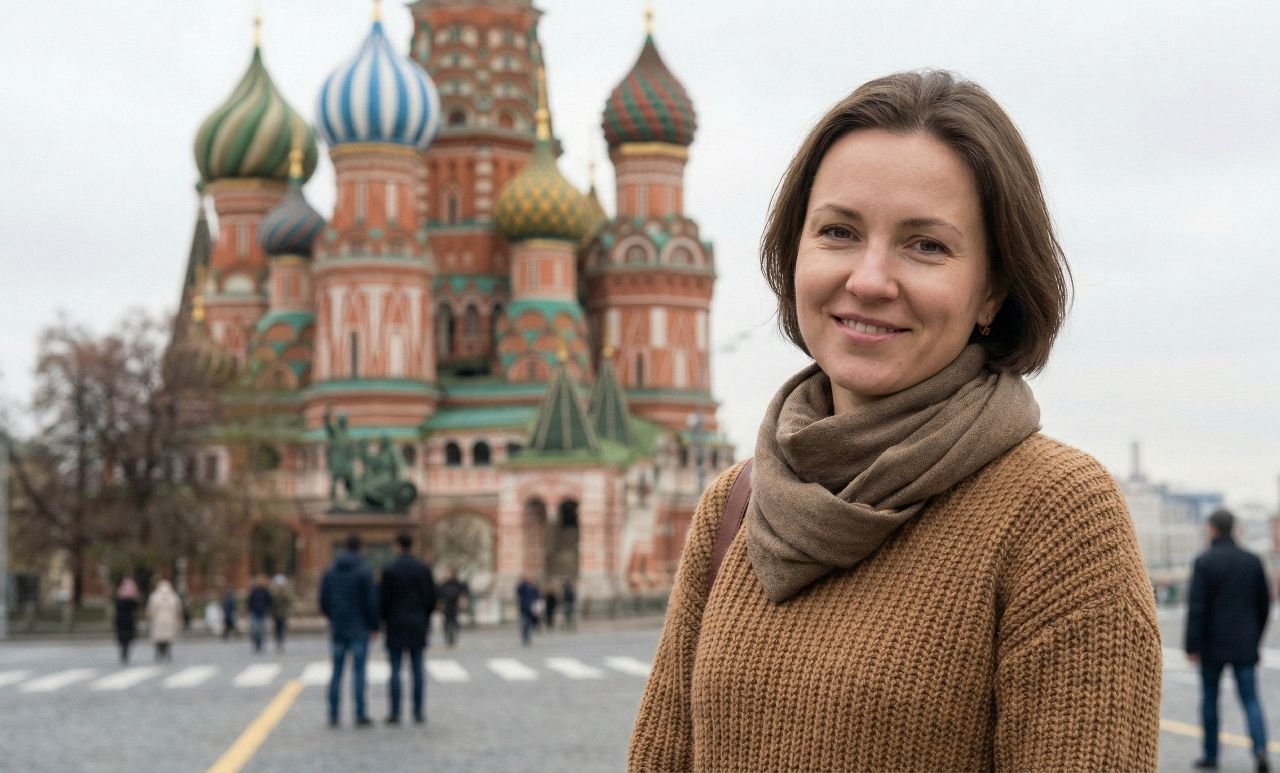
Anastasia is a Moscow-based travel blog writer who brings a local’s insight to one of the world’s most fascinating and misunderstood cities. Born and raised in Moscow, Russia, Anastasia shares an authentic, on-the-ground perspective on what it’s really like to explore the city beyond the postcards.
Her writing focuses on tourism in Moscow, practical guides for first-time visitors, and hidden corners that most travelers miss. In addition, Anastasia writes extensively about expat life in Moscow, covering everyday realities such as housing, transportation, cultural differences, and settling into life in the Russian capital.
As a solo traveler in her own city, she also documents Moscow through the lens of independence and curiosity — from navigating the metro alone at night to discovering cafés, museums, and neighborhoods that feel welcoming for solo visitors. Her work blends local knowledge with honest personal experience, helping travelers and expats alike feel more confident, informed, and inspired when discovering Moscow on their own terms.