

Moscow’s tap water is treated and officially meets Russian drinking-water standards, but many residents and most visitors prefer bottled or filtered water for drinking because of taste and older building pipes. If in doubt, drink bottled water.
What to expect
The city’s water comes mainly from surface reservoirs and the Moscow and Volga systems and is treated before distribution. The quality leaving the plant is generally good, but water can pick up taste or particles from old pipes and building plumbing, and it often has a chlorine taste. Many locals use home filters or buy bottled water.
Practical advice for visitors
- For drinking, bottled water is the easiest choice and is sold everywhere.
- Tap water is generally used for brushing teeth, washing and cooking. If you have a sensitive stomach, use bottled water for teeth too.
- Boiling or filtering tap water is a reasonable option if you are staying in an apartment.
- Use bottled or boiled water for baby formula.
- Ice in drinks in restaurants is usually made from filtered water, but ask if you are unsure.
Ask your host or hotel what they recommend, as building plumbing varies. If you get stomach problems, see our health advice, and for cost of bottled water and groceries see the daily travel budget.
Frequently asked questions
Can tourists drink Moscow tap water?
It meets official standards, but bottled or filtered water is the usual advice for visitors.

Is it safe to brush my teeth with tap water?
Generally yes, unless you have a sensitive stomach.
Why Visitors Still Choose Bottled or Filtered Water
Even where the water leaving a treatment plant meets the standard, it passes through a long network of pipes before it reaches a tap, and the condition of that network varies from building to building. Older buildings in particular can have aging plumbing, which may affect taste, color or sediment. That is why many residents, not only tourists, filter their drinking water at home or buy bottled water for drinking and cooking. For a short trip, the simplest approach is to do what many locals do and keep a few bottles in the room.
Practical Habits for Staying Hydrated
- Buy sealed bottled water at supermarkets, where it is generally the cheapest option, rather than at tourist spots.
- Check that the cap seal is intact before you drink.
- If your accommodation has a filter or a water cooler, ask your host whether it is meant for drinking.
- Use bottled or boiled water for brushing teeth if you have a sensitive stomach.
- Carry a reusable bottle on long sightseeing days and refill it from a source you trust.
Ice, Drinks and Food Preparation
Questions about tap water usually extend to ice, salads and drinks made with water. In established restaurants and cafes the risk is generally low, since most kitchens use filtered or bottled water. If you are unsure, ask what the ice is made from, or order drinks without ice. Travelers with weakened immune systems, young children or pregnancy should be more cautious and follow the advice of their own doctor.
If You Feel Unwell
Mild stomach upsets can happen on any trip because of a change in diet, not only water. Rest, drink plenty of safe fluids and eat plain foods. If symptoms are severe, last more than a day or two, or include a high fever or blood, seek medical care. Your travel insurance provider can usually point you to a clinic that deals with foreign patients. For the wider picture, see our guides to vaccinations and health advice and travel insurance, and our practical information hub.
A Note on Changing Conditions
Water quality can differ by district and can change after maintenance work or seasonal events. Treat the advice here as general guidance and rely on current information from your accommodation, local health authorities or your own government’s travel health service when you plan your trip.
Frequently Asked Questions About Water and Food Safety
Can I brush my teeth with tap water?
Many visitors use bottled water for drinking and tooth brushing to avoid any risk of an upset stomach, especially when they stay in older buildings where the pipes may affect the taste and quality. If you have a sensitive stomach or a health condition, the cautious route is the simplest one.
What about ice, salads and fruit?
Reputable restaurants generally use treated water, but if you are unsure, skip ice and wash fruit and vegetables with bottled water. Eat at busy places where food turns over quickly.
Is it safe for children and older travelers?
Take extra care. Use bottled or boiled water for babies, for mixing formula and for anyone with a weakened immune system, and ask a doctor if you are unsure.
Simple Habits That Help
- Buy bottled water from shops, where it costs less than in tourist areas.
- Boil tap water for at least a few minutes if you must use it, and let it cool.
- Wash your hands before eating and carry hand sanitizer.
- Pack basic stomach remedies and oral rehydration salts.
- Drink plenty of fluids during long walking days and in dry heated rooms in winter.
When to Seek Help
If you have severe symptoms, a high fever or cannot keep fluids down, see a doctor. Your insurer’s assistance line can point you to a clinic, as explained in our insurance guide and our healthcare guide. Read our health preparation guide before you go, and see our budget food guide for safe, simple places to eat. Our practical information hub has more.
Key Takeaways on Drinking Water
- Many visitors choose bottled water to be safe.
- Check labels, and use sealed bottles.
- Use bottled water for brushing teeth if you have a sensitive stomach.
- Be careful with ice and raw produce.
- Ask your hotel about local advice.
A cautious approach costs little and avoids problems. Read our health guide and our food guide.
If you feel unwell after eating or drinking, rest, drink bottled water and seek medical advice if symptoms last or worsen. Carry basic supplies from home, such as rehydration salts and any regular medicines. This is general information and not medical advice, so check official health guidance before you go.
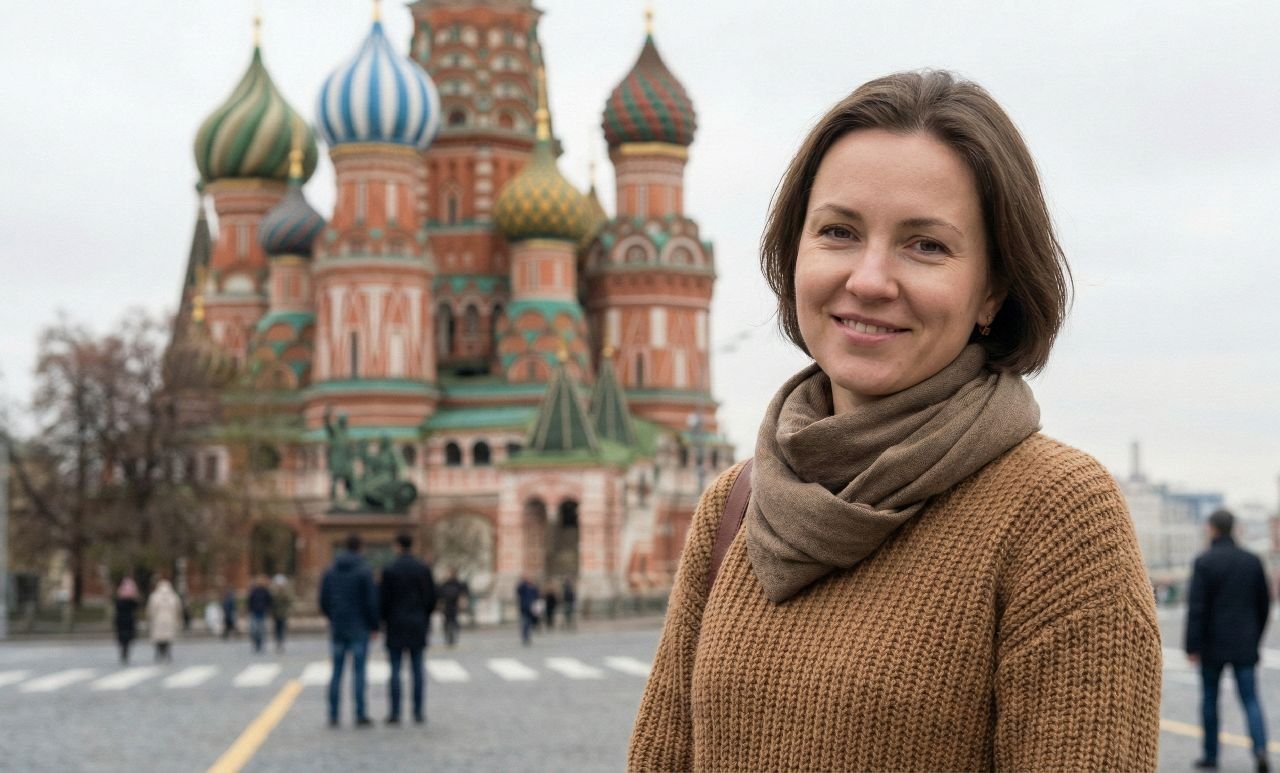
Anastasia is a Moscow-based travel blog writer who brings a local’s insight to one of the world’s most fascinating and misunderstood cities. Born and raised in Moscow, Russia, Anastasia shares an authentic, on-the-ground perspective on what it’s really like to explore the city beyond the postcards.
Her writing focuses on tourism in Moscow, practical guides for first-time visitors, and hidden corners that most travelers miss. In addition, Anastasia writes extensively about expat life in Moscow, covering everyday realities such as housing, transportation, cultural differences, and settling into life in the Russian capital.
As a solo traveler in her own city, she also documents Moscow through the lens of independence and curiosity — from navigating the metro alone at night to discovering cafés, museums, and neighborhoods that feel welcoming for solo visitors. Her work blends local knowledge with honest personal experience, helping travelers and expats alike feel more confident, informed, and inspired when discovering Moscow on their own terms.
[…] tap water only if you are comfortable with it. Read our tap water guide […]