

Living in Moscow does not stop you from finding remote work, but it changes how easy it is. Time zones, sanctions, payment restrictions and legal status all play a part, and so does the kind of employer you target. This guide explains the main obstacles, which of them matter most for different kinds of workers, and how people work around them lawfully. Rules and company policies change often, so verify current conditions with official sources and with each employer.
It depends on who you are
The answer differs by group.
- Russian citizens and foreigners with a work right. They can take remote jobs with Russian employers, and the local market is large. Their difficulty is mainly with foreign employers.
- Foreign visitors without work rights. They face legal limits on working in Russia at all. See working remotely without a work permit.
- Foreign residents with permits. Their options depend on what the permit allows.
Sanctions and employer policies
Since 2022, many foreign companies have stopped hiring staff based in Russia. Some do so because of sanctions law, some because their banks and payment providers will not process payments to Russia, and some because of internal risk policies. A job description that says remote worldwide may still exclude Russia in the fine print. Ask the employer before you apply, and read the contract for clauses about the worker’s country of residence. Our guide to working for foreign companies covers this further.
Payment restrictions
Foreign-issued Visa and Mastercard cards generally do not work in Russia, and several international payment services do not serve Russian recipients. Even when an employer is willing to hire you, getting paid can be hard. Salary may have to be paid through arrangements that need careful legal review. See receiving international payments.

Time zones
Moscow is on UTC+3 all year, with no daylight saving changes. For Europe, this overlaps well. For North America, overlap is limited to early morning there and evening in Moscow. Employers who need North American hours may expect you to work late evenings, which affects sleep and routines. See time zones for digital nomads.
Internet and tools
Home internet in Moscow is generally fast, but some websites and services are blocked or slowed, and mobile internet can be restricted in some situations. If your work depends on a blocked tool, discuss alternatives with your employer. Do not assume that workarounds are acceptable to your employer’s security policy.
Visibility and career growth
Remote workers sometimes find it harder to be seen by managers, regardless of where they live. Living in a time zone far from the team can make this stronger. Regular written updates, clear deliverables and scheduled check-ins help.
Advantages of being in Moscow
- A large local labor market, especially in technology, design, marketing and education.
- Good internet and a developed service economy.
- Cost levels that are lower than in some European capitals, though prices change and depend on how you live.
- Time-zone overlap with Europe and Central Asia.
Practical strategies
- Target local and regional employers first. They are the most likely to hire people based in Russia.
- Be upfront about your location. Hiding it can cause bigger problems later.
- Build a Russian-language CV and portfolio. It widens your options.
- Use local channels. See remote job networks in Moscow.
- Check legal status before applying. A lawyer can clarify what you may do.
- Plan your payments. Agree the route and currency in advance.
- Keep your skills current. Fields such as software, data and marketing are the most portable.
When it is harder
Remote work is harder to find for roles that require access to regulated systems, sensitive data, or customers in sanctioned sectors. Companies in finance, defense, energy and some technology areas may have stricter rules about where staff live.
Frequently asked questions
Do foreign employers hire people in Moscow?
Some do, but many do not. Policies vary, and you should ask directly and read the contract.
Is it easier to find work with Russian companies?
Generally yes, if you have the legal right to work and speak Russian.
Should I hide my location?
No. It can breach your contract or the law, and it can cause problems later.
A realistic first-month search plan
- Week one: confirm your status. Write down what your visa or permit allows, and note any questions for a lawyer.
- Week two: build a target list. List employers and clients that already work with Russia or the wider region, and note whether each one pays in a way that works for you.
- Week three: reach out. Send short, specific messages and be clear about your location in the first exchange.
- Week four: review. See which channels produced replies and drop those that did not. Keep a fallback of local clients while longer searches continue.
Signs an offer is not worth pursuing
- The employer asks you to hide your location.
- Payment arrives only through an unexplained intermediary.
- The contract is vague about who is responsible for taxes.
- You are asked to pay fees or buy equipment before starting.
Treat these as reasons to stop and ask questions, since they point to legal or fraud risks. LinkedIn has been blocked in Russia since 2016, so many people rely on email outreach and direct contacts. Related guides: common remote jobs for Moscow expats and coworking in Moscow.
Choosing the kind of work that travels best
Some kinds of remote work are less affected by your location than others. Work that is delivered as a finished file or service, such as writing, design, software, translation or analysis, depends mainly on your skills and a reliable payment route. Work that depends on live access to a client’s systems, on regulated data or on a payroll in your country of residence is more exposed to employer policies. When you compare opportunities, ask how much of the job depends on where you are.
Using local demand as a base
Moscow has a large local market, and Russian-language skills are a real advantage with local employers and clients. Many people combine a core of local or regional work with occasional international projects, which reduces their dependence on any single payment route. This approach also gives you a steady base while a longer search for foreign clients continues. See remote-friendly industries in Moscow for sectors with local demand.
Keeping your options open
- Keep your profile and portfolio up to date in both English and Russian.
- Collect written references from past clients while relationships are fresh.
- Keep records of your income and payments so that you can answer questions from banks or tax advisers.
- Review the legal position again whenever your visa, permit or employer changes.
Rules and company policies shift, so what was possible last year may not be possible now. Check current information before you commit to a long stay. For legal context see legal risks of remote work in Moscow and visa options for digital nomads.
Bottom line
Living in Moscow makes some remote jobs harder to get, mainly those with foreign employers, and leaves others unaffected. Legal status, payment routes and employer policies matter more than geography. Check current rules, be open about your location and see our guide on finding remote work opportunities.
This guide is part of our Living in Moscow hub, which collects every guide for expats and remote workers in one place.
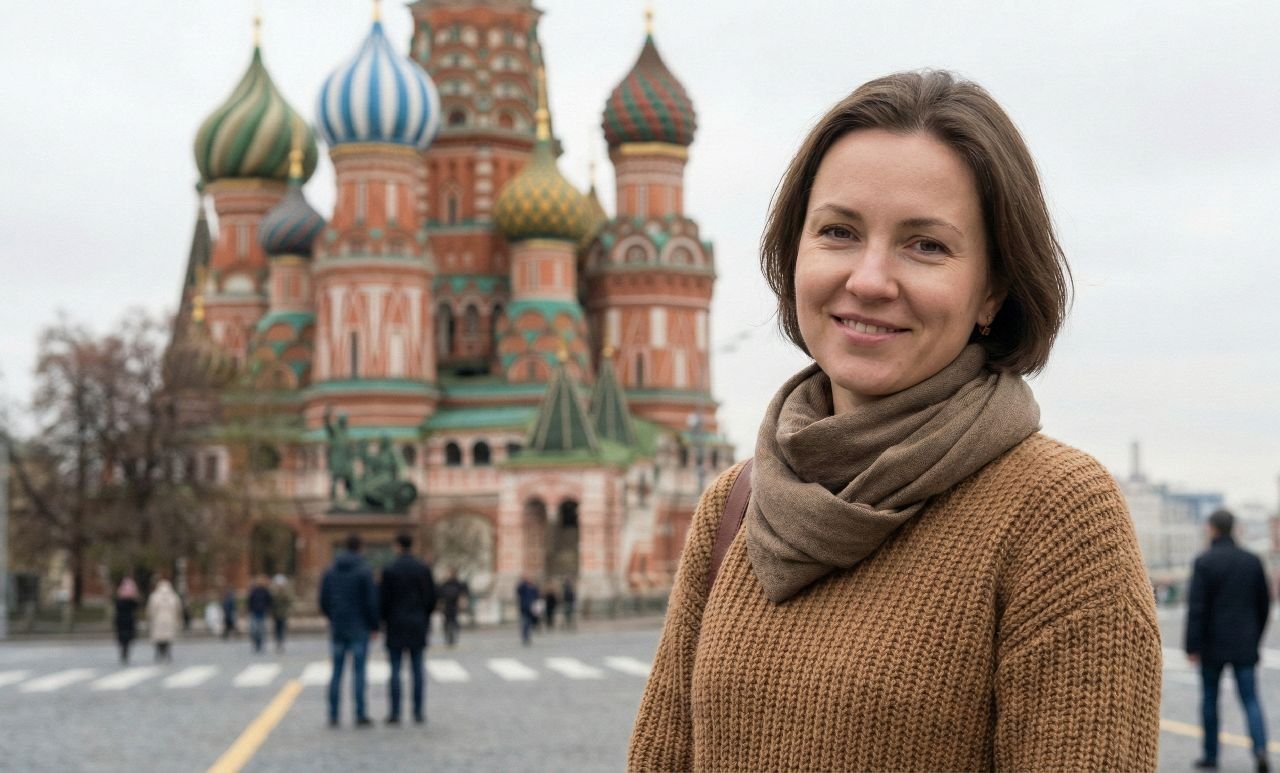
Anastasia is a Moscow-based travel blog writer who brings a local’s insight to one of the world’s most fascinating and misunderstood cities. Born and raised in Moscow, Russia, Anastasia shares an authentic, on-the-ground perspective on what it’s really like to explore the city beyond the postcards.
Her writing focuses on tourism in Moscow, practical guides for first-time visitors, and hidden corners that most travelers miss. In addition, Anastasia writes extensively about expat life in Moscow, covering everyday realities such as housing, transportation, cultural differences, and settling into life in the Russian capital.
As a solo traveler in her own city, she also documents Moscow through the lens of independence and curiosity — from navigating the metro alone at night to discovering cafés, museums, and neighborhoods that feel welcoming for solo visitors. Her work blends local knowledge with honest personal experience, helping travelers and expats alike feel more confident, informed, and inspired when discovering Moscow on their own terms.