

Moscow is a big, busy city, and combining client meetings with daily life takes planning. Traffic, long commutes, time zones and connection problems can all disrupt a schedule. This guide offers practical ways to organize meetings, travel and personal time, whether you work from home, from a cafe or from a coworking space. It focuses on habits and tools, not on legal questions, which are covered in our other guides.
Plan around the city
Moscow is large, and journeys across the city can take time even on the metro. Traffic on the main roads can be heavy, especially on weekdays. For in-person meetings, allow generous travel time and avoid tight back-to-back appointments in different districts. For video meetings, a quiet, fixed place saves stress. See how the Moscow Metro works for transport tips, and remember that payment options for foreigners are limited because foreign-issued Visa and Mastercard cards generally do not work in Russia.
Set clear time blocks
- Reserve fixed blocks for focused work with no meetings.
- Group meetings on certain days to keep other days free.
- Leave buffer time between meetings.
- Protect at least one personal block each day, such as lunch or exercise.
Manage time zones
Moscow is on UTC+3 all year. Meetings with clients in Europe fit the normal workday, while meetings with North America fall in the afternoon or evening in Moscow. Share your hours clearly and use calendar invitations that show time zones. See time zones for digital nomads.
Choose the right place
Home
Best for calls that need quiet and good internet. Test your connection and keep a backup such as a mobile hotspot.

Cafes
Fine for informal meetings and short calls. Noise levels vary, and not all venues welcome long stays. Check ahead.
Coworking spaces
Offer meeting rooms and reliable internet. Availability and prices change, so check current options. See coworking in Moscow.
Client offices
Plan your route and arrive early. Ask the client about building access and passes.
Technology for meetings
Some video and messaging services are blocked or slowed in Russia, and mobile internet can be restricted in some situations. Check that your client’s preferred tool works from your location, agree a backup option and test before important calls. Keep your devices charged and carry a power bank.
Meeting practices
- Send an agenda before each meeting.
- Keep meetings short, with a clear goal.
- Share notes and action items afterward.
- Record decisions in writing.
- Offer written updates to reduce the number of live calls.
Protect personal time
- Set working hours and tell clients.
- Avoid regular late-night calls where possible.
- Take real breaks and keep time for exercise and sleep.
- Use a separate workspace if you can.
Weather and seasons
Moscow winters are cold and dark, with snow and ice, and summers can be warm. Plan for delays in bad weather and dress for the season. In winter, leave extra time for journeys.
Language
For meetings with local clients, Russian is often needed. Learning a few key phrases helps in practical situations. See Russian language basics.
Safety and documents
Carry your passport or a copy, and your registration documents, as required. See what documents to carry.
Frequently asked questions
How much travel time should I allow between meetings?
More than you think. Distances in Moscow can be large, and delays happen.
Are cafes good for client meetings?
For informal meetings, yes. Check noise, seating and policies first.
What if my connection fails during a call?
Have a backup, such as a mobile hotspot, and agree with the client on a fallback channel.
A sample week
This is one way to structure a week around client work in a large city. Adjust it to your own clients and time zones.
- Monday and Tuesday. Group client calls in the afternoon, with mornings kept for focused work.
- Wednesday. A lighter day for in-person meetings across the city, with generous travel buffers.
- Thursday. Deep work and deliverables, with as few calls as possible.
- Friday. Short check-ins, invoicing and planning for the next week.
- Weekend. Time off, with no routine client contact.
When something goes wrong
- Transport delays. Message the client as soon as you know and propose a short video call instead. See the cheapest way to get around Moscow for alternatives.
- Connection problems. Switch to your backup hotspot and agree a fallback channel in advance. See SIM cards and staying connected.
- A blocked tool. Offer the client an alternative service that works from your location.
- Illness or an emergency. Tell the client early and give a realistic new date.
Bottom line
Balancing client meetings with life in Moscow comes down to realistic travel times, clear time blocks, backup connectivity and protected personal time. Test your tools, communicate your hours and leave room for the unexpected.
Setting Up a Routine That Works
Good meeting habits matter more than any single tool. Share your availability in your own time zone and the client’s, confirm meeting times in writing and keep a reliable backup connection in case your main one fails. Agree on how you will reschedule, and try to group calls into set blocks so the rest of your day stays free for focused work and for exploring the city.
- Test your audio and video setup before important calls.
- Have a quiet place, such as a co-working space, as covered in our co-working guide.
- Keep a mobile data option ready, as in our SIM card guide.
- Check our time zone guide when you schedule across regions.
Remember that some foreign services may not work reliably from Russia, so confirm which tools your clients use and test them. See also our guide to remote work challenges and our living in Moscow hub.
Frequently Asked Questions About Client Calls
What if my connection drops during a call?
Keep a mobile hotspot ready, tell clients in advance about your backup plan and send a short written summary afterwards.
How do I avoid burnout?
Protect time for rest and exploration, and set limits on late calls.
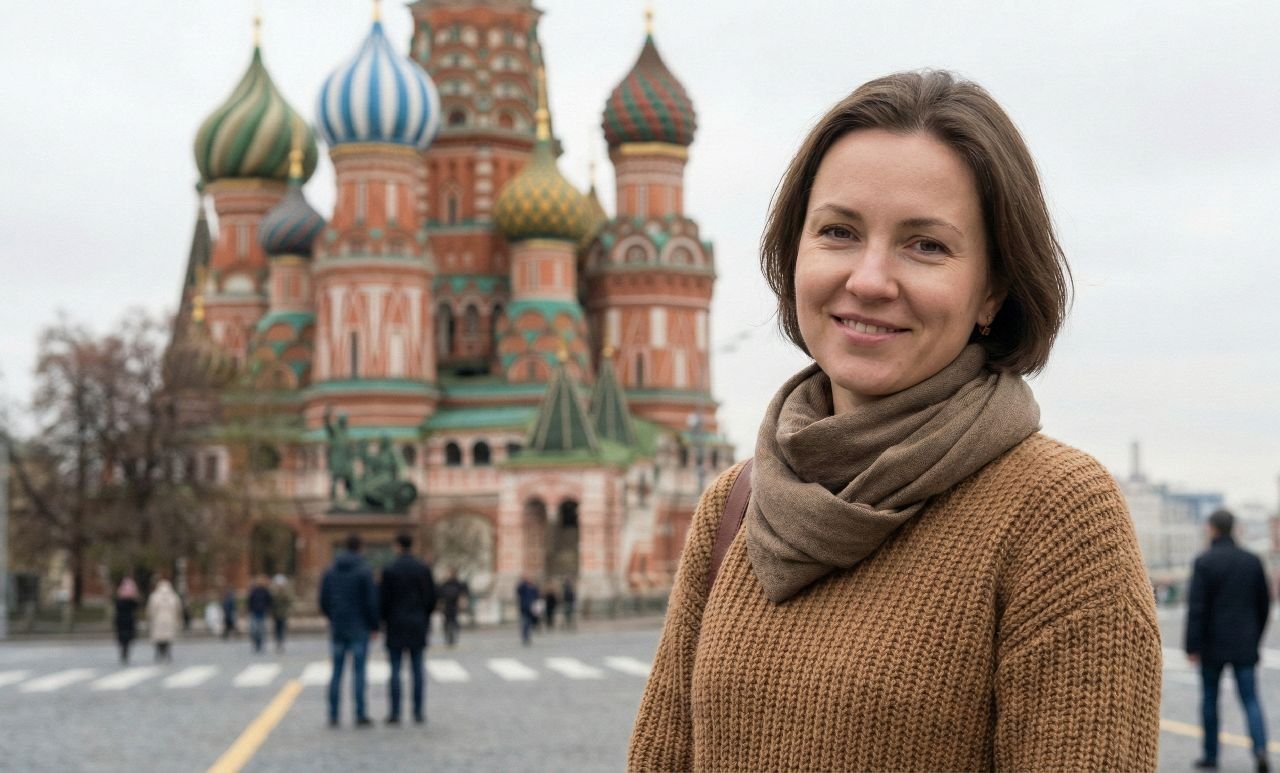
Anastasia is a Moscow-based travel blog writer who brings a local’s insight to one of the world’s most fascinating and misunderstood cities. Born and raised in Moscow, Russia, Anastasia shares an authentic, on-the-ground perspective on what it’s really like to explore the city beyond the postcards.
Her writing focuses on tourism in Moscow, practical guides for first-time visitors, and hidden corners that most travelers miss. In addition, Anastasia writes extensively about expat life in Moscow, covering everyday realities such as housing, transportation, cultural differences, and settling into life in the Russian capital.
As a solo traveler in her own city, she also documents Moscow through the lens of independence and curiosity — from navigating the metro alone at night to discovering cafés, museums, and neighborhoods that feel welcoming for solo visitors. Her work blends local knowledge with honest personal experience, helping travelers and expats alike feel more confident, informed, and inspired when discovering Moscow on their own terms.